
How to develop a low-maintenance water-wise garden
A well-kept eco-friendly garden can add value to your home
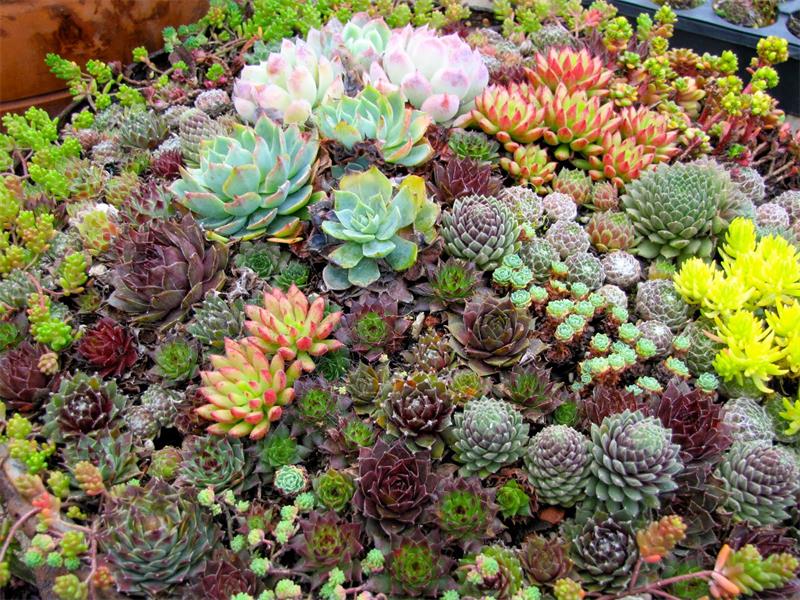
First impressions are important, especially when it comes to selling property, with most property purchase decisions are made within the first few minutes of viewing. The first thing prospective buyers see, before the kitchen, bedrooms or bathrooms, is the exterior and the garden.
This is according to Jason Shaw, national sales executive at Pam Golding Properties. “The exterior look and feel of a home is usually a good indication of the property as a whole. By having a beautiful, well-kept garden, you will likely increase your chances of selling your property and improve its value.”
“Creating and tending to a garden takes time and energy, however. If you work long hours, it can be difficult to give it the necessary attention it needs or even adequately care for your pot plants,” he adds.
“While expense may preclude many property owners to be able to immediately make their gardens more sustainable and eco-friendly, we can consider adjusting the way we garden in order to make it lower-maintenance and less water intensive. The latter is particular important given the current water restrictions that are being experienced across much of the country.
Pam Golding Properties has the following tips to assist you in restructuring your garden to minimise maintenance and water use.

Laying out your garden
Take time to observe the sun’s location in your garden at various times throughout the day. Identify where the sun is between 11am and 3pm, which is the hottest time of the day.
Water will evaporate the fastest in these areas due to the high exposure to heat, which will result in unnecessarily high water use. For a low maintenance and water wise garden, you could consider avoiding planting in areas that receive a great deal of direct sunshine or consider using only very hardy plants.
You might also elect to rather use such spaces to create a paved entertainment and braai area. You can artificially shade the area with a stylish outdoor umbrella or patio roof. If you want to add greenery, try to use succulents, cacti or indigenous grasses that can endure hot and dry conditions.
Reduce the size of your lawn
Not only will you spend most of your Saturdays mowing it, a lawn requires lots of water. Instead, consider replacing part of your lawn with stepping-stones or decorative pebbles. You can add greenery in between the stones by making use of indigenous grasses, succulents or ground covers.
Consider indigenous
“There are many indigenous and succulent plants that require little attention or water. And no, going this route does not mean that your garden has to compromise on beauty and style.
“By choosing your plants wisely and designing your garden accordingly, you can have the best of all worlds: beauty, low maintenance and eco-friendliness. These are all becoming increasingly attractive qualities for home seekers,” says Shaw.
Consider choosing plants that are indigenous to your specific area. It is simple logic that a plant that has been thriving in a certain region since the beginning of time, will continue to thrive in that area. These plants have also adapted to the climate, humidity and soil quality in the area, making them the perfect fit. By choosing local plants, you will save time and water and ensure a thriving garden.

Grassy pastures
Indigenous grasses are normally much more heat and drought resistant than other kinds. As indigenous grasses come in various shapes, colours and size, they are a good way to provide your garden with depth, texture and definition. There are, for example, scores of different types of attractive Highveld grasses that can add an attractive and hardy aspect to your garden.
These grasses can be shaped into hedges to provide natural fencing or trendy dividers.
Make use of mulch
Using mulch in your garden will keep the soil moist and your plants happy, as well as add texture and colour to your outdoor area. Consider making your own mulch or compost using garden and household waste.
Identifying water-wise plants
One of the best ways to identify low maintenance, water-wise plants is to look at their leaves. When deciding on which plants to choose, carefully study their leaves.
Plants with grey or blue coloured leaves are usually expert water savers. The coloured foliage reflects the rays of the sun, keeping the plant cool and reducing water loss.
Many plants lose moisture through their leaves, so plants with smaller and fewer leaves have less surface area from which water can evaporate, thereby reducing their water requirements. In addition, hairy leaves counteract moving air by creating a microclimate over the leaf that slows down the flow of air, reducing moisture loss.

Personal touch
Your new garden is nearly complete; now, all you have to do is add a personal touch. Transform your garden into a personal retreat or a family haven by adding personal and unique items.
Do not be scared to add bits and bobs that do not ‘traditionally’ belong in gardens. You will be surprised how many indoor décor items work wonderfully outdoors. Mirrors, portraits and even family photos can add an artistic edge to your garden.
And there you have it: a stylish, easy to maintain and water-wise garden.
“Not only will your new garden increase your property value, you will also be making a valuable contribution to the environment by planting and gardening responsibly. Best of all, you can have a beautiful garden and still put in a full day’s work, avoid a degree in botany and play your part in reducing the impact of the national drought,” concludes Shaw.