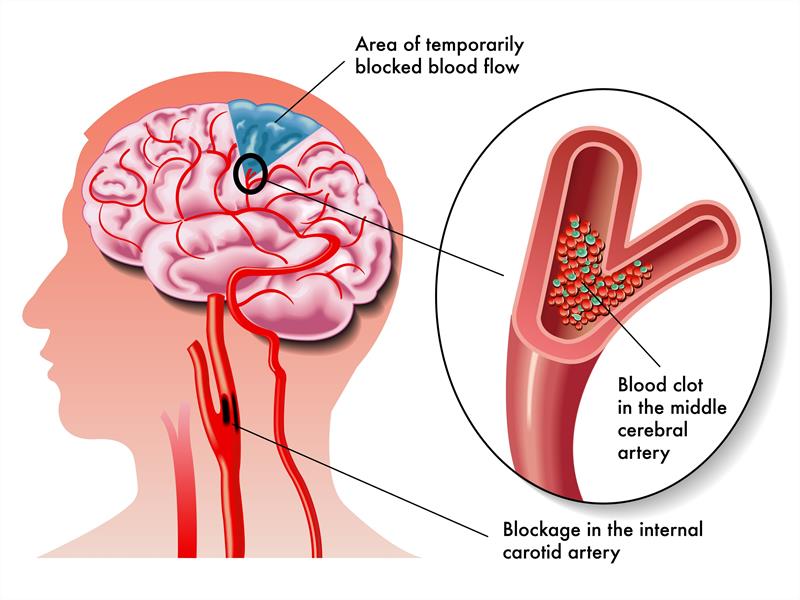
How to spot the onset of a stroke
it is very important for people to be aware of all the symptoms that are associated with strokes.
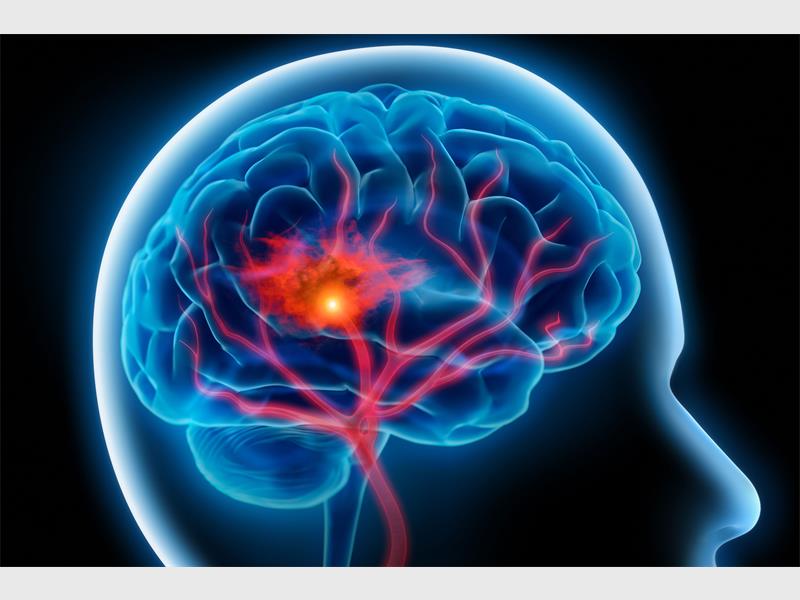
According to the Heart and Stroke Foundation South Africa, every hour, 10 people in South Africa suffer a stroke.
Medical director of Netcare Hospitals Dr Anchen Laubscher says the golden rule when a person suffers a stroke is to receive immediate medical attention.
Laubscher says it is very important for people to be aware of all the symptoms associated with a stroke. She also said it is vital for stroke patients to be admitted to emergency rooms.
“Every stroke – even mini-strokes known as transient ischemic attacks – should be treated as a medical emergency as these can signal that the individual could be at risk of a more serious stroke in the future,” Laubscher adds.
She said a stroke occurs when the supply of oxygenated blood to part of the brain is disrupted either due to a burst blood vessel or a blood clot. “Strokes may range in severity from so-called mini-strokes, which may have only temporary effects, to life-changing disability or even sudden death,” Laubscher warns.
She said that symptoms can differ greatly depending on which part of the brain has been affected. However, there are a number of common signs of stroke that are generally recognisable.
Her tip is that when one sees a possibility of a stroke occurring, they should ‘fast’ which is an acronym for the following:
• F for ‘Face drooping’ – facial muscles are weak, often causing one side of the face to droop.
• A for ‘Arm or leg weakness’ – the person may feel weak in one or both of their arms or legs, and may feel numb on one side of their body. They may also have poor co-ordination with difficulty walking or standing up and may appear drunk.
• S for ‘Speech difficulty’ – the person may slur words, use words incorrectly or be unable to speak.
• T for ‘Time to call emergency medical services’ such as Netcare 911 on 082 911.
She also said that a person who is having a stroke may also experience a sudden severe headache and sudden loss of vision or blindness in one or both eyes.
Laubscher said factors that often increase the risk of stroke are smoking, high blood pressure, diabetes, insufficient exercise and an unhealthy diet.
Dr Biancha Mentoor, clinical improvement manager in Netcare’s clinical department, said the group has been focusing on strengthening stroke management expertise in its hospitals through collaboration with the Angels Initiative which is an international drive to promote excellence in the management of stroke patients.
“At this stage, the training is mainly for staff working in emergency departments at Netcare hospitals, as patients who have suffered a stroke will usually present at an emergency department.
“It is therefore extremely important that the staff detect possible signs of stroke so that the appropriate care can be initiated as soon as possible,” Mentoor explains.
Mentoor also said personnel who may be involved in caring for stroke patients will also be involved in the programme.
Laubscher said it has been demonstrated that stroke patients who receive medical care that is aligned with the best practice and relevant protocols tend to have better outcomes, ranging from longer life expectancy, a shorter rehabilitation time and better functionality.
“We are grateful to SASS and the Angles Initiative for their guidance, and are committed to continue developing our skills to offer stroke patients world-class care,” Laubscher concluded.