
Police highlight support for sexual assault victims in Kempton Park
Sergeant Dipuo Ditshego shares more on the stigma and common misconceptions around sexual assault cases.
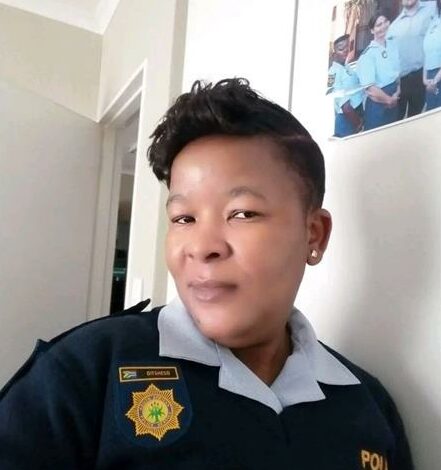
“Most cases happen when victims are intoxicated. Women need to always walk in groups, be aware of their surroundings and let their loved ones know where they are at all times.”
This is according to Kempton Park SAPS spokesperson Sergeant Dipuo Ditshego.
In an interview with Kempton Express in recognition of Sexual Assault Awareness Month in April, Ditshego outlined the support structures available to victims and explained the procedures that follow after a sexual assault case is opened.
ALSO READ: Five arrested in drug busts as police recover stolen vehicles
She noted that there has been a decline in reported sexual assault cases, which she attributes to ongoing educational campaigns by the police to inform the community about sexual violence and warning signs to look out for.
Ditshego emphasised the importance of addressing the stigma and shame that often prevent victims from coming forward. She said many victims fear they will not be believed, particularly when the alleged perpetrator is a partner, spouse or someone known to them.
“People need to understand that even if you are married to the perpetrator, it is still a crime. No means no, regardless of the relationship,” she said.
She explained that when victims open a case, they are given the option to be assisted by either a male or female officer, depending on their preference.
Victims can also be supported by the organisation POWA (People Opposing Women Abuse), which provides counselling and empowerment services.
Ditshego added that a victim’s safety is prioritised. If they feel unsafe returning home, arrangements can be made to escort them to collect their belongings, and alternative accommodation can be organised.
She advised victims not to bathe after an incident, as this may wash away crucial forensic evidence needed to help identify and prosecute the perpetrator.
Ditshego also called on communities to play an active role in protecting one another.
ALSO READ: 98 suspects arrested in Gauteng police operations
“Communities must become their neighbours’ watch. It is important to familiarise ourselves with those around us, notice changes in behaviour and step in when help is needed,” she said.
During Sexual Assault Awareness Month, victims are reminded that they are not to blame for what happened to them and that they are not alone.
They are encouraged to report incidents by calling 10111 or visiting their nearest police station.