
E-hailing drivers stage shutdown over high commission, lack of support
E-hailing drivers across the country staged a shutdown, boycotted airports and marched to Sandton in protest over high commissions and poor support.
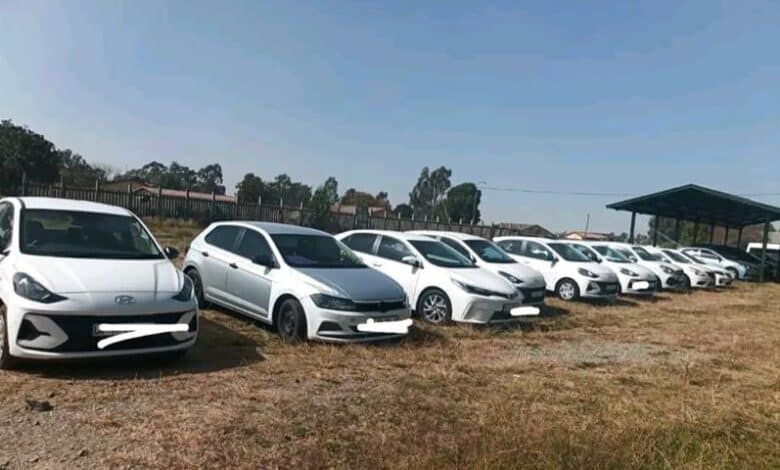
E-hailing drivers across SA recently embarked on a nationwide shutdown, accusing service providers of exploitation, high commission rates and a lack of meaningful engagement.
Their protest included completely switching off the apps, boycotting airport operations and marching to Uber’s offices in Sandton on July 22 to deliver their demands.
Drivers are calling for lower commission fees, improved support and a more balanced working relationship with companies such as Uber, Bolt and inDrive.
Many claim the current commission rate has surged to nearly 50%, significantly affecting their earnings and livelihoods.
ALSO READ: Crackdown at OR Tambo: Unlicensed e-hailing vehicles towed
Driver and representative Johannes Rasesu shared with the Thembisan his frustration after Uber ignored the group’s peaceful march.
“We went to their offices on July 21, hoping for feedback, but the offices were closed. No one addressed us.
“We then held a meeting with the drivers present and agreed that to move forward, we need to involve the MEC for Transport,” said Rasesu.
The group handed over a memorandum of grievances and was promised a response within seven days.
“We’ve asked the spokesperson, Lesiba, to ensure that Uber, Bolt and inDrive are present at the meeting with the MEC because those are the companies we have issues with, especially around commission and pricing structures,” he added.
Rasesu said the partnership between drivers and the app companies has shifted dramatically over the years.
“Back in 2014, we used to have regular meetings with Uber. They listened to us and tried to create fair pricing and conditions for everyone.
ALSO READ: Safety tips for using e-hailing services for festive season
“Now, decisions are made without consultation, even though we bring the vehicles and smartphones and cover the maintenance costs. All they provide is the app.”
He also raised concerns over access to key pick-up zones.
“There’s also an issue at the airport. Bolt and Uber drivers are being restricted from collecting passengers. When we asked the app companies why, we received no clear answers.”
The drivers argued that this lack of engagement was unprofessional and disrespectful.
“These companies should not avoid their drivers. They should meet us, provide statements and commit to a timeline for addressing our concerns.
“That’s why we involved the JMPD and the SAPS and marched peacefully to deliver our memorandum,” said Rasesu.