SANBS needs you to donate blood
SANBS encourages South Africans to start the new year by donating blood, as national blood stocks are below optimal levels following the festive season.
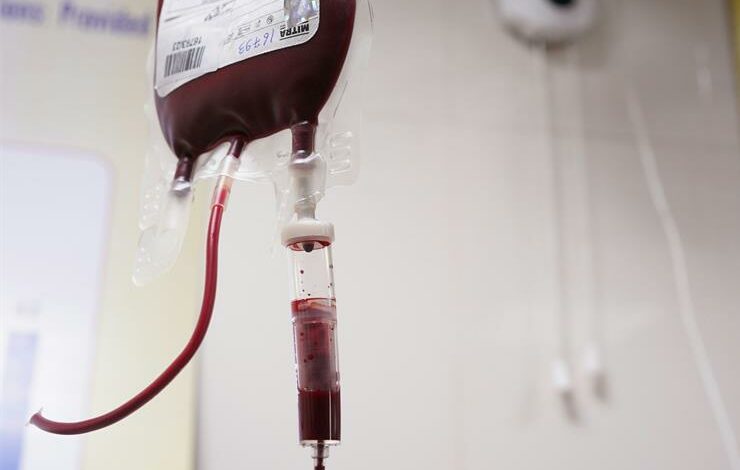
The South African National Blood Service (SANBS) encourages South Africans to start the new year by donating blood, as national blood stocks are below optimal levels following the festive season.
As the country settles into 2026, the SANBS thanked all donors for their continued generosity, noting that every donation plays a vital role in saving lives.
The SANBS said it is again seeing a familiar seasonal pattern, with a dip in national blood collections during and immediately after the festive period.
ALSO READ: SANBS explains why blood can’t be bought or sold
While this decline is expected, rebuilding healthy stock levels early in the year is critical to ensure the uninterrupted supply of blood products to hospitals and patients.
While many households return to their normal routines, thousands of patients across SA begin the year with a different hope, not defined by celebration or resolutions, but by the quiet wish for recovery, for treatments to work, and for life-saving blood to reach them in time.
Behind the current blood stock levels are real people, mothers, fathers, sisters, brothers and children receiving treatment in hospitals every day. Their recovery, and in some cases survival, depends on the continued availability of donated blood.
The SANBS outlined several reasons why blood stocks typically drop in January.
Donors are often away from their regular donation centres during December due to holiday travel, resulting in fewer visits.
Many workplaces, schools and universities, which serve as key collection points, close or operate on reduced schedules over the festive season.
ALSO READ: SANBS celebrates Global Ethics Day by reaffirming its moral mission
At the same time, emergency medical care, childbirth and the ongoing treatment of chronic conditions continue throughout the holidays, placing sustained pressure on available blood supplies.
Disrupted donor routines due to year-end events, travel and family commitments can also result in regular donors missing scheduled donations, creating a noticeable gap in collections by January.
The SANBS encourages donors with O and B blood groups who are eligible to donate, as these groups contribute significantly to the stability of the national blood supply.
O-negative blood is the universal blood type used in emergencies, while group B plays an important role in maintaining balanced stock levels for specific patient needs. However, the SANBS emphasised that all blood groups are needed and welcomed.
“We appreciate every South African who donates blood, and want to start the year by saying ‘Thank you’,” said Thandi Mosupye, the senior manager for marketing, communication and brand at the SANBS.
“January is a challenging month for collections, but also an opportunity. If donors, especially those with O and B blood groups, visit a donor centre early in the year, we can quickly stabilise the national blood supply and ensure hospitals continue caring for patients without interruption. We encourage all eligible donors to make time to give the gift of life.”
The SANBS invites all eligible donors to donate at their nearest donor centre or mobile drive, noting that one donation takes only minutes and can save up to three lives.
ALSO READ: SANBS celebrates Global Ethics Day with a call to lead and give ethically
“Whether you are an O, A, B or AB donor, your contribution matters, and we welcome you,” added Mosupye.
To donate:
• First-time donors must be between 16 and 75 years old;
• Donors must weigh at least 50kg (55kg for platelet donations);
• Donors should be in good health, lead a low-risk lifestyle and consider their blood safe for transfusion;
• Donors should eat within four hours before donating;
• Whole blood must not have been donated in the past 56 days, or platelets/plasma in the past 14.
For more information or to find a donor centre, call the SANBS call centre on 0800 11 9031 or visit the SANBS website.