
Dry drowning: the unexpected killer
You can save your child’s life if you act quickly and seek medical treatment immediately.
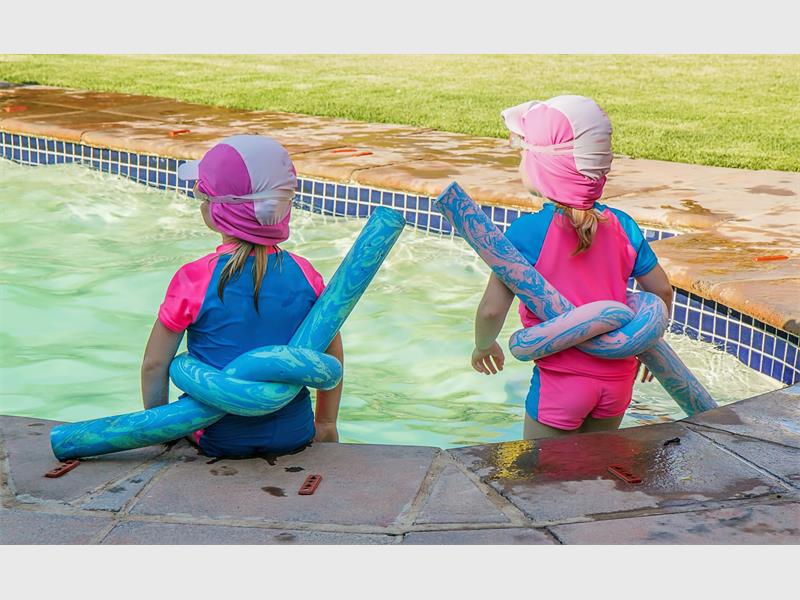
We all assume that the risk of drowning is non-existent as soon as you get out of the swimming pool, ocean or bath tub, but that is not the case.
Dry drowning, or secondary drowning, can occur hours after your swim session has ended.
Dry drowning is drowning caused by fluid in the lungs, and occurs not during submersion in water, but up to 24 hours after swimming or bathing. If water is inhaled into the lungs, the vocal cords can spasm. The drowning is defined as ‘dry’ because it occurs out of the water.
Dry drowning is more common among children than in adults.
Victims often appear to be fine after a near-drowning experience, and the water inhaled may be a small amount or appear to have been coughed out. However, the water may fill up some of the oxygen-rich pores of the lungs, which reduces the ability to oxygenate blood as it passes through. The heart does not slow down significantly with this process, but rather very, very slowly, so you will still be able to talk and walk.
The only symptoms may be a sudden change in personality or level of awareness as the blood oxygen level drops over time.
If you or anyone you know has experienced a near-drowning experience, watch for a sudden change of personality or energy level. You can save a life if you act quickly and get them medical treatment immediately.
Related articles:
UPDATE: Missing boy’s body found