
New technology to increase food production
A computer-controlled mixture of water and fertiliser circulated to each crop is all that is needed to grow healthy vegetables.
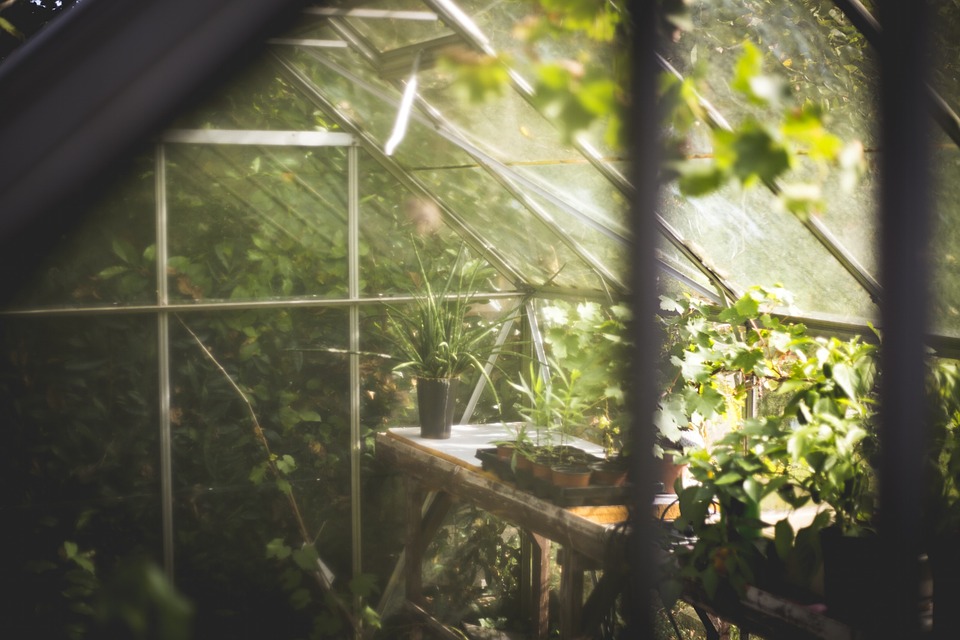
With most of Gauteng’s land available for agricultural production being rapidly lost to residential and industrial developments resulting in reduced opportunities for agricultural development, the Gauteng government, under its Agriculture Parks Programme, has started using the latest greenhouse technology – the vertical growth chamber – to increase its agricultural production.
The vertical-chamber modern greenhouse agricultural production method involves growing light-weight or leafy vegetables on six-metre high pillars under computer-controlled temperature conditions, without soil. Seedlings are planted in various growing compartments, attached to pillars. A computer-controlled mixture of water and fertiliser circulated to each crop is all that is needed to grow healthy vegetables such as spinach under this new greenhouse and soilless production method.
It is not possible to grow tomatoes and cucumbers in the vertical growth chamber because they are heavy and there is always a risk of their falling off the vertical pillars.
“In line with the Gauteng Province’s Township Revitalisation Programme, agri-parks in the urban and peri-urban areas have a direct link to the township economies and obviously one of the spin-offs is the creation of small business enterprises that will contribute further to job growth or job creation,” said Thandeka Mbassa, head of department of the Gauteng Department of Agriculture and Rural Development (Gdard).
Six agri-parks have so far been developed in Gauteng – at the Innovation Hub in Pretoria, Bekkersdal, Merafong, Eikenhof in Johannesburg, Tarlton in Krugersdorp and Sebokeng.
“The Agri-parks Programme is not only going to benefit farmers at agri-parks premises,” said Gdard Director of Technology Research Development Support, Motlatjo Makaepea.
“It is also going to benefit farmers within a 20 to 30-kilometre radius of the agri-parks. They will be able to supply their produce to the formal markets through the agri-parks in their area and also benefit from training Gdard will offer under this programme.”
* About the writer: Emmanuel Koro is an environment and development journalist based in Johannesburg.
Related articles:
• There’s a better way to deal with waste
• Food garden to help feed pupils
• [VIDEO] Craft culture is alive