
Going cashless – the future of transacting at events
Cashless transactions have become so popular that merchants and banks have decided to start cancelling out cash purchases at certain events.
Banks across the globe have allegedly announced they want to go cashless as soon as they possibly can for reasons such as safety, ease and costs.
In South Africa, cashless concerts have already been launched successfully and the cashless system has been proved to work efficiently during these events.
Absa partnered with a number of third parties to implement a cashless environment at the KKNK Oudtshoorn, the Oppikoppi Festival, the Mumford and Sons concert and the 2016 KAMERS/Makers events.

Photo: Intellitix
The app-based platforms enabled customers to initiate payments via credit and debit card to merchants, cancelling out cold hard cash completely. The merchants were provided with exclusive point of sales facilities. Other cashless systems, such as cellphone-enabled card readers, tap transaction devices and shopper cards have also been developed to assist customers.
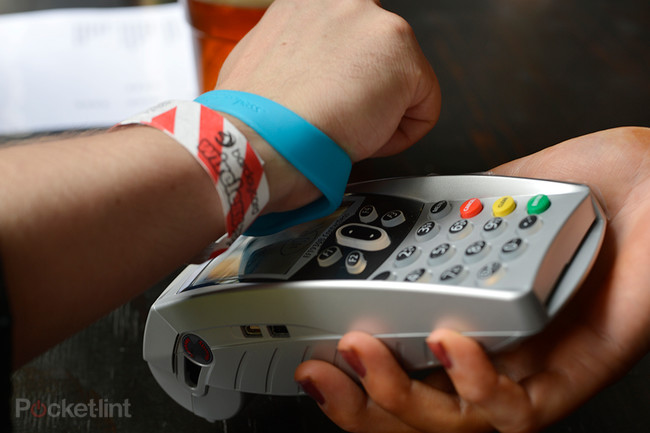
It is dangerous for merchants to receive cash at a festival as the possible presence of robbers must be borne in mind. Cashless purchases can also result in shorter queues as struggling with notes, change and slips slows down the exchange between merchant and customer. New tags have been developed for debit cards where the customer is able to tap the surface of the card reader and immediately make a successful transaction. Although the tap is limited to R100, the practice poses dangers, because card-holders do not have to enter their PIN numbers to make the transactions.
Customers also do not have to struggle with locating an ATM if they run out of cash. ATMs at music festivals are usually scarce and far apart resulting in the customer having to walk long distances to withdraw a small amount of money.

Photo: Pocket-lint
This system eliminates the hassle and danger of carrying cash with you; however, some valid points have to be considered:
• It seems unreasonable to swipe a debit card for a R15 or R20 purchase as the bank costs are usually more than R2.
• Swiping a card can also hold dangers, such as disclosure of PINs, which could result in theft of your card and the eventual withdrawal of all the cash in your bank account.
• Music festivals in general are known for their high alcohol consumption levels. Protecting your PIN while you are under the influence might seem like an unnecessary task and keeping your bank card close and safe might prove to be difficult. While cash deals limit the amount of money a thief can steal, access to a card can enable them to withdraw any amount from your bank account or swipe endlessly before you even realise it’s been stolen.
• It is also true that people might not realise how much money they are spending because they cannot physically see the money. This has been proven many times by events such as gambling. Instead of having to hand over R100 notes, gamblers are given chips. In the gambler’s mind, paying with plastic chips seems less expensive than handing over actual banknotes. The same goes with bank cards –swiping a plastic card seems a lot less daunting than handing over money.
While both cash and card options are being scrutinised by two sides, it might take a long time for South African merchants to go entirely cardless. Nevertheless, the possibility does exist for first world countries to do so.
Do you perhaps have more information pertaining to this story? Email us at krugersdorpnews@caxton.co.za or phone us on 011 955 1130.
For free daily local news on the West Rand, also visit our sister websites:
Randfontein Herald, Roodepoort Record, Get It Joburg West Magazine
Remember to visit our Facebook, Twitter and Instagram pages to let your voice be heard!