
What to do if your pet goes missing
A very helpful checklist to make sure your pet will be safe and sound again.
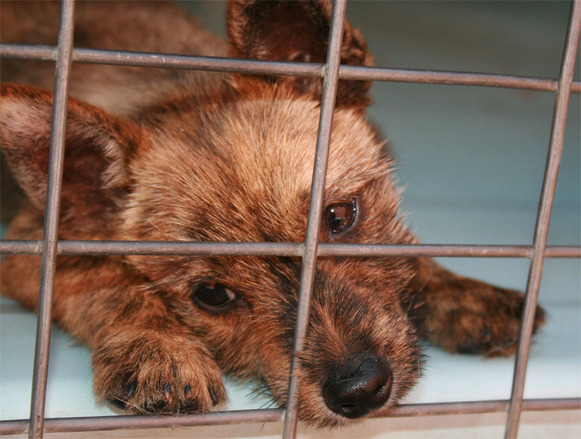
Your pet becoming a stray is hopefully something you may never have to go through.
If it does happen, there are vital steps that you should take to increase your chance of finding your pet. However, there are also steps you should take to decrease the chance of your pet goes missing.
Steps to help prevent your pet from going missing
Before doing anything else, have your pet sterilised. There are various myths and beliefs that your sterilised dog will not protect the family, become less vicious or will become fat and lazy.
The truth of the matter is, sterilising your pet has its advantages:
• Animals that are not sterilised tend to wander. For example, a Maltese can easily become ‘Supermaltese’ by clearing a 2m wall when he smells a female on heat. Sterilising them will decrease the chances of them wandering in the road in search of a mate and being injured through various means such as being knocked down by cars, fighting with neighbouring animals etc.
• If you ensure that your animal is regularly exercised, is fed a nutritionally balanced diet, and is offered treats on occasion, it should not become overweight, unless it has a health condition.
• It is a fallacy that a female dog must have at least one litter before sterilising her. A female dog may start her heat cycle from as early as four months old. This is the equivalent of allowing a young girl to have a baby during her first menstrual cycle.
Make sure your pet has identification. Having a microchip, collar and tag is advisable. A collar and tag can easily get lost but a microchip is permanent. Vets and SPCAs are equipped with scanners that ‘read’ a microchip, so the owner could be contacted.
If you are going away on holiday, do not leave your animal at home alone; make sure you find reputable boarding facilities or house sitters for your animals.
Your pet is lost, now what?
• Do not panic. Panic clouds your mind.
• Contact all the animal shelters and veterinarians in your area to report the animal as missing. Be sure to provide as much detail as possible and also mention any distinguishing characteristics such as a black spot on the left ear.
• Visit local animal shelters and look for yourself. Any animal may become dirty, matted and neglected-looking very quickly when on the road.
• It is also important to visit all the shelters within 20–30km of where your pet was lost. Remember that someone picking the animal up may not take it to the shelter closest to the animal’s home, but to a shelter convenient to the person. Someone might also keep your pet for a few days, hoping you would look for it and ask about it.
• Visit all your neighbours and houses in surrounding streets.
• Hand out pamphlets with a photograph of the animal and your contact details. Ask shops and petrol stations if you could put your lost-pet poster on their notice boards.
• Walk in your surrounding streets and call your pet.
• Put an ad in the local paper, and in the papers in surrounding areas. Advertising in the paper could also be important to prove that you were actively looking for your pet in case someone were to claim that you meant to give it up or didn’t want it.
Should you wish to report your animal missing or if you have found an animal, contact the Johannesburg SPCA’s lost and found department on 011 681 3600.
Do you perhaps have more information pertaining to this story? Email us at krugersdorpnews@caxton.co.za or phone us on 011 955 1130.
For free daily local news on the West Rand, also visit our sister websites:
Randfontein Herald, Roodepoort Record, Get It Joburg West Magazine
Remember to visit our Facebook, Twitter and Instagram pages to let your voice be heard!