Albinism Awareness Month: consider those who look different from the rest of us
September is Albinism Awareness Month. Help take a stand against discrimination towards people living with albinism.
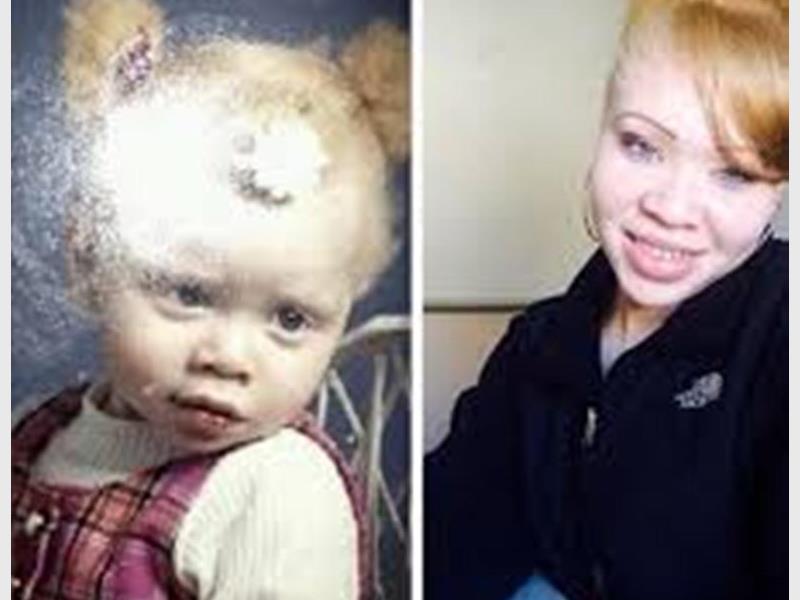
September is Albinism Awareness month, the aim being to highlight, reflect on and consider the human rights of people living with albinism.
The DNA Leaning Centre defines albinism as the lack of the enzyme produced by the TYR gene, called tyrosinase, which is required for the synthesis of melanin pigment. A mutation in the TYR gene causes the most common form of albinism. People with albinism have either a partial or complete lack of pigment or colouring in their eyes, skin or hair.
According to the Office of the High Commissioner for Human Rights (OHCHR), people living with albinism had to wait until 2013 and 2014 for the United Nations Human Rights Council and the African Commission on Human and People’s Rights to adopt their cause, and call for the prevention of attacks and discrimination against persons with albinism.
“Albinism is a rare, non-contagious, genetically inherited difference, present from birth. The condition is found in both sexes and in all countries of the world and is the result of a lack of pigmentation, namely melanin, in the hair, skin and eyes – causing vulnerability to the sun and bright light. Therefore, almost all individuals living with albinism are visually impaired and are likely to develop skin cancer,” said the OHCHR.
People with albinism usually experience discrimination in their communities, schools, churches and work environment. It is misunderstood as some people believe the many myths surrounding the syndrome and kill them for their body parts to make muthi or magic spells believed to bring good fortune.
We asked a teenager from Burgershoop whose identity could not be revealed if she feared being hunted because of her skin.
“I am new in town and I don’t know much about Krugersdorp, so I can’t say whether or not this is a safe environment.
I have made two friends who go with me whenever I go somewhere like the shops, but other than that I don’t really go out,” said the 16-year-old girl.
Asked what she would like the community of Krugersdorp to know about people living with albinism, she noted that people of all ages and races look at her and often whisper about her among themselves.
“I have not met anyone else with albinism, but the stares get a little too much and people often ask what I use on my skin. Other questions are: do people with albinism die? and are my parents albinos?” said the Grade 9 learner.
She said people with albinism are normal, they just have extremely sensitive skin and poor eyesight. She added that they die just like everyone eventually will.
“In almost all types of albinism, both parents must carry the gene for the condition to be passed on to their unborn child, even if they do not have albinism themselves,” said OHCHR.
Do you perhaps have more information pertaining to this story? Email us at krugersdorpnews@caxton.co.za or phone us on 011 955 1130.
For free daily local news on the West Rand, also visit our sister websites:
Remember to visit our Facebook, Twitter and Instagram pages to let your voice be heard!