
Energy drinks dominate sweet beverage sales
More and more energy-drink brands are making their way to the market due to the high demand for these popular drinks.
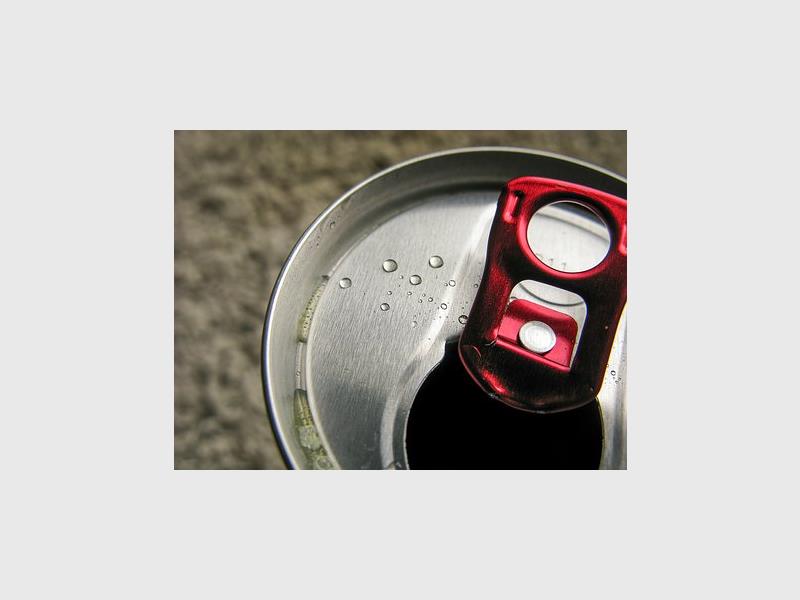
Several years ago you would find energy drinks tucked away in a corner at retailers; now you get bombarded by the wide variety of brands.
Despite the ongoing debate and proposals about the sugar tax, energy drinks are the highest expanding market in the beverage sector.
The News spoke to several retail assistants from Krugersdorp, one of them being 33-year-old Tebogo Mogale of President Hyper in Krugersdorp’s CBD. He thinks the reason why the community buys these drinks is the competition between the energy drink brands themselves.
“People like being spoiled for choice, and you can get almost any flavour now, because the industry has grown rapidly in the last few years,” said Tebogo.
He added that there are two big brands that keep releasing new flavours and sugar-free versions, catering for even the health- and weight-conscious customer.
A study by the research unit at Wits University, Priority Cost-Effective Lessons for Systems Strengthening (PRICELESS), revealed that the majority of energy drink advertising occurs on television channels aimed at the youth.
“Between 2009 and 2014, the yearly quantity of energy and sports drinks sold increased by 70 million, growing from about two to three litres for each person who consumes energisers regularly in only five years,” said Nick Stacey, the lead researcher.
One energy drink consumer, Ayanda Mhlongo, said he drinks energisers because his long shifts at work require energy. Another aspect he likes about energisers is their affordability.
“There are big cans that you get for as little as R8, which is cheaper than a small fizzy drink can. Energisers keep me awake, so I usually drink one before my shift starts, especially a night shift,” said Ayanda.
Healthy Living Alliance said the study unveiled how aggressively the beverage industry is pushing harmful products on consumers.
“There is legislation in place requiring manufacturers to disclose the caffeine content in energy drinks, but there are no colour or type-setting restrictions, and careful package design allows producers to hide this warning from potential consumers,” concluded the researchers.
Do you perhaps have more information pertaining to this story? Email us at krugersdorpnews@caxton.co.za or phone us on 011 955 1130.
For free daily local news on the West Rand, also visit our sister websites:
Remember to visit our Facebook, Twitter and Instagram pages to let your voice be heard!