
War on plastic: growing out of bad habits
Supermarkets take note: a big retailer has finally launched a biodegradable reward for its customers.
Do you like dolphins, sea turtles or even Nemo-type fish? Do you enjoy the beach and warm weather? Do you enjoy seeing whales swim past while you’re on a boat ride?
Then why do you still buy plastic toys that you don’t use?
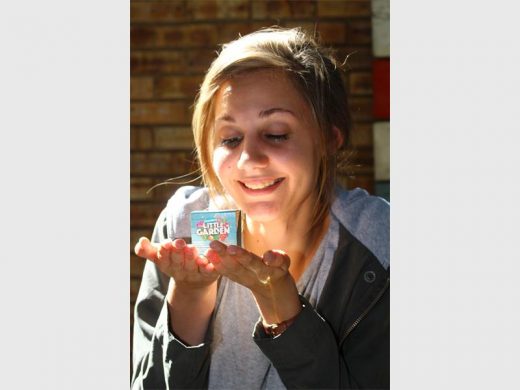
Photo: Bianca Pindral.
Supermarkets in Gauteng have received masses of backlash about the promotional pieces or toys they give their customers when they purchase goods for R100 or more.
Two big retailers in South Africa were recently heavily criticised by conservationists for promoting their stores by rewarding their customers with plastic goods that often ended up being thrown away.
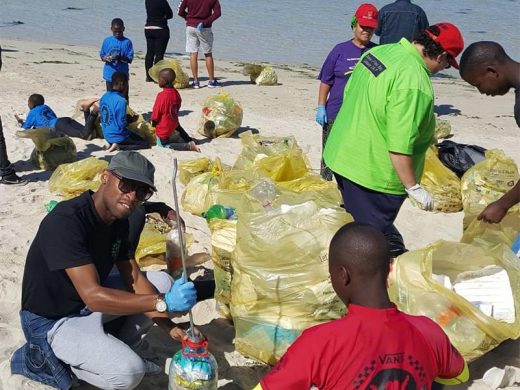
Photo: Greenangligans.
Each year, more than a million sea birds and 100 000 marine mammals are killed because they ingest single use plastic items. And if you think living inland doesn’t make a difference to coastal animals, you are wrong.
According to Garfield Kruger, a local water specialist, Krugersdorp is quite unique when it comes to the distributing of plastic into the ocean. “Believe it or not, if you stand on one side of Ontdekkers Road and throw a piece of plastic into a storm drain on the south side, it will eventually land up in the Atlantic Ocean, but if you throw it in on the other side, it will land up in the Indian Ocean,” said Garfield.
On the one side, water flows into the Muldersdrift Loop, a river that empties into the Crocodile River and eventually into the Indian Ocean. On the other side, water flows into the Klip River which eventually empties into the Vaal River system, then the Orange River and eventually into the Atlantic Ocean.
It’s called a continental watershed – and why it makes Krugersdorp unique is because here the water flows East and West instead of the normal South and North split.
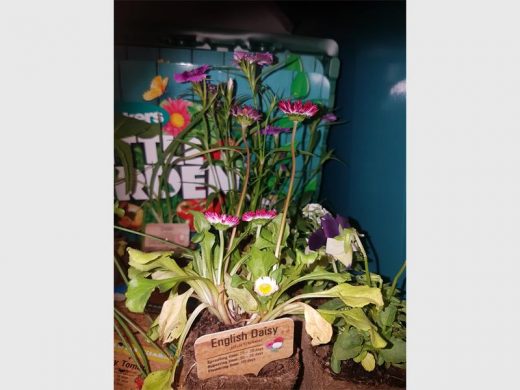
Photo: Bianca Pindral.
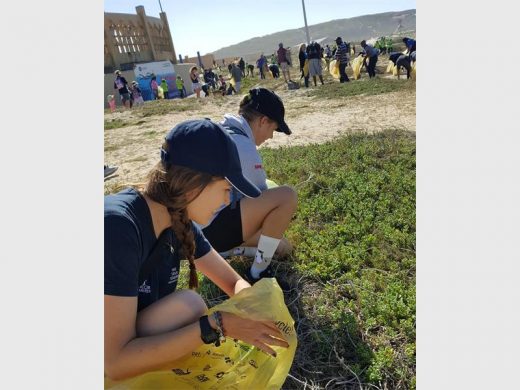
So no matter where you drop a plastic bottle or wrapper into a drain or on the ground, it’s likely to end up in the ocean. Conservationists all agree that inland dwellers also have to be conscious about how they get rid of plastic because they too have an impact on the environment.
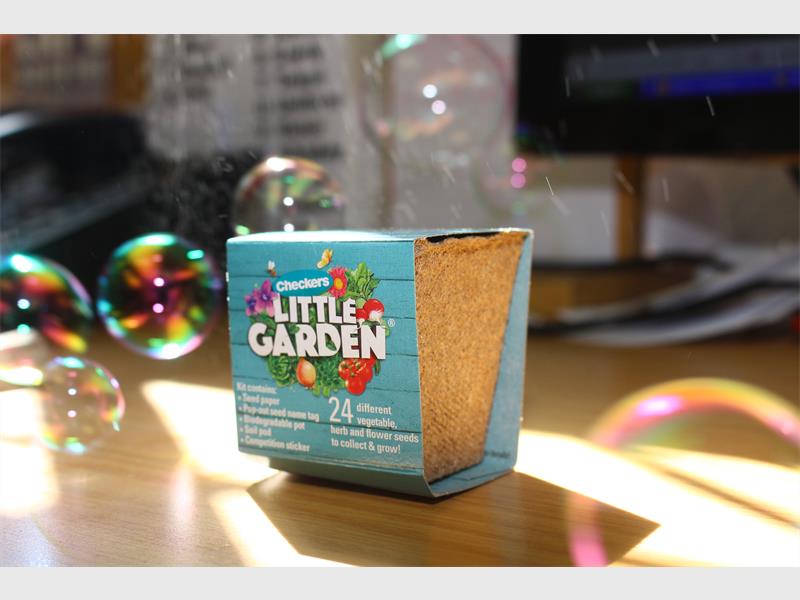
With this in mind, Checkers South Africa has now found an amazing and innovative way to reward it shoppers. For every R150 customers spend, they receive a Little Garden Kit, consisting of seed paper, a biodegradable pot, soil pod and a pop-out seed tag. Everything in this garden is biodegradable and fun.
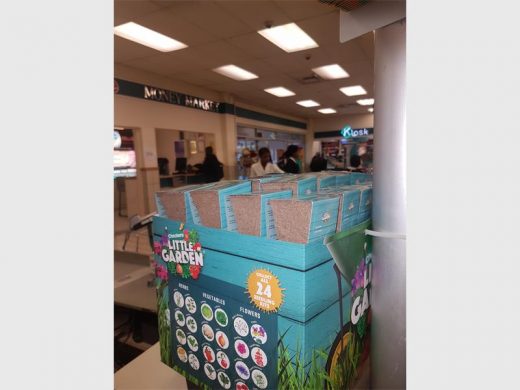
Photo: Bianca Pindral.
Mendisa Rasmeni, an employee of Checkers Wilrogate, smiled as she gave one of the little garden kits to a little girl. The girl asked what it was and Mendisa explained. The child was so excited about being able to grow it she said she had a special place in the garden at home for it.
“Imagine if we could teach our children the excitement of growing things. Instead of them having a room full of toys, we could have a garden full of life,” said Natasha Pindral, a marine biologist and science student at the University of Cape Town. “Teaching our children to be kind to nature can have such a positive impact on life.”
She also quoted Pierre Rabhi, a French environmentalist, who said: “The problem is to know what planet we leave to our children and what kind of children we leave for our planet.”
Knowing that Krugersdorpers can pollute two oceans at once, it might be time for other local supermarkets to consider more environmentally friendly options to reward their customers.
To find out more about these Little Gardens visit: https://www.checkerslittlegarden.co.za/?gclid=EAIaIQobChMIo-jIiL3S2gIVyLftCh11-QdFEAAYASAAEgJOevD_BwE
Here is more information about pollution:
• One million sea birds and 100 000 marine mammals are killed annually by plastic in our oceans.
• Plastic chemicals can be absorbed by the body – 93 per cent of Americans aged six or older test positive for BPA (a plastic chemical). Some of these compounds found in plastic have been found to alter hormones or have other potential human health effects.
• Over the last ten years we have produced more plastic than during the whole of the last century.
• 50 per cent of the plastic we use, we use just once and throw away. Enough plastic is thrown away each year to circle the Earth four times.
• The Great Pacific Garbage Patch is located in the North Pacific Gyre off the coast of California and is the largest ocean garbage site in the world. This floating mass of plastic is twice the size of Texas, with plastic pieces outnumbering sea life six to one.
• More than 50 per cent of sea turtles have consumed plastic.
• Conservationists found micro-particles of plastic in 90 per cent of the birds they dissected.
For more information visit EcoWatch at https://www.ecowatch.com/22-facts-about-plastic-pollution-and-10-things-we-can-do-about-it-1881885971.html
For more information about micro-plastics, watch these short videos:
Do you perhaps have more information pertaining to this story? Email us at krugersdorpnews@caxton.co.za or phone us on 011 955 1130.I
For free daily local news on the West Rand, also visit our sister websites:
Remember to visit our Facebook, Twitter and Instagram pages to let your voice be heard!