
Things you didn’t know about the history of car batteries
The battery is important because not only does it run your vehicle, but it also ensures that your anti-theft systems are operating correctly.
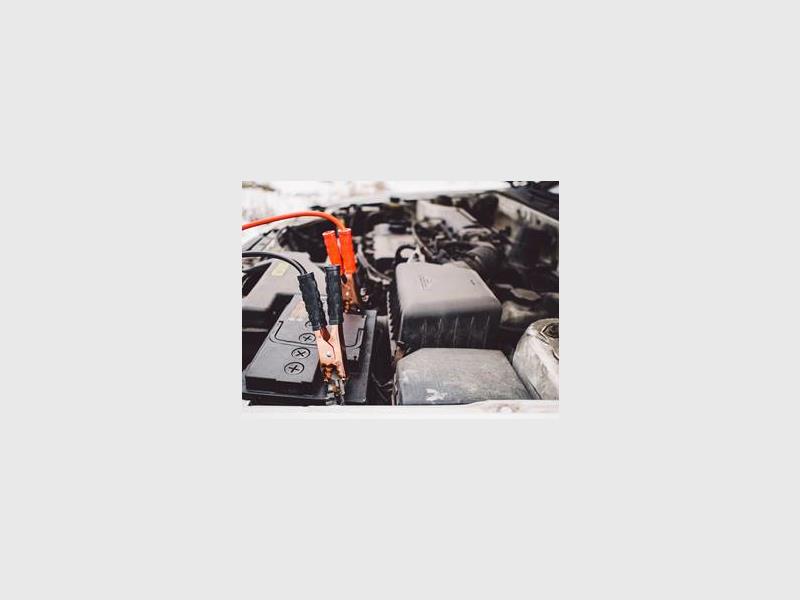
Because most forms of transport rely on batteries as an important source of energy and they are literally what keep us moving, here are 6 facts about the history of car batteries you should know:
1. The battery was invented twice (according to some scientists).
In 1799, the Italian physicist, Alessandro Volta, created a battery by stacking layers of zinc, silver and soaked board or cloth on top of one another. It wasn’t the first device to generate electricity, but it was the first to emit a steady current.
Some scientists, however, believe that a clay jar discovered in modern-day Iraq in 1938 is the earliest battery. Believed to be 2 000 years old, the jar contained an iron rod surrounded by a copper cylinder. When the container is filled with vinegar, it can produce up to two volts of power – just like a battery. Many other theories exist about the artefact, so until the true purpose of this pre-historic find is established, the exact origin of the battery remains a mystery.
2. It wasn’t called a battery at first.
Volta’s battery was called a Voltaic Pile. While it didn’t look like any of the batteries we use now, its bottom and top plates acted as positive and negative terminals in the same way as those of modern batteries. Other scientists also attempted to create devices that could store energy, but Volta’s battery was the first to generate a constant flow of electricity.
In honour of his discovery, the unit of electromotive measurement is today known as the volt.
3. The rechargeable battery was developed almost 160 years ago.
In 1859, the first rechargeable battery was created by a French inventor named Gaston Plante. Without his invention, we wouldn’t be able to charge our mobile devices, laptops, TV remotes – or start our cars at the turn of a key. His lead acid technology is still used today to start most internal combustion engines.
4. The invention of car batteries solved a very serious problem.
The invention of batteries enabled manufacturers to produce cars with electric starters. The 1912 Cadillac was the first vehicle in the US to sport such a starter. It was developed by Henry M Leland and Charles Kettering at Cadillac after an engineer at the company was killed when a car’s mechanical starting crank hit him on the head.
5. The first locally made battery was delivered in 1931.
The first proudly South African automotive batteries were made by First National Battery, the country’s oldest and leading battery manufacturer. To make sure every South African had access to its products, the company launched the nationwide Battery Centre network. The first Battery Centre branch, opened in Bloemfontein in 1969, quickly became known as the battery specialists.
6. Raylite batteries changed the battery landscape in South Africa.
Raylite vehicle batteries have been leading the way in reliability and performance, so much so that today 100% of car manufacturers install these batteries in new vehicles in South Africa.
What will the future of car batteries look like? With more hybrid vehicles on the road, Raylite batteries are paving the way for enhanced battery performance for these cars. Designed for stop-start cars, the batteries use new processing techniques that improve charge acceptance. They deliver more than 10% cranking current, three times longer cycle life and a nationwide guarantee – and they’re available from Battery Centre, the leading battery specialists.
Explore https://www.batterycentre.co.za to learn more about the next-generation products that Battery Centre offers.
* This released was issued on behalf of Battery Centre by G&G Digital.
Do you perhaps have more information pertaining to this story? Email us at krugersdorpnews@caxton.co.za (remember to include your contact details) or phone us on 011 955 1130.
For free daily local news on the West Rand, also visit our sister newspaper websites
Remember to visit our Facebook, Twitter and Instagram pages to let your voice be heard!