
Petrol and electricity prices up – what can you do to help relieve some pressure?
It does not matter how much you earn, you should have a budget in place to manage your expenses.
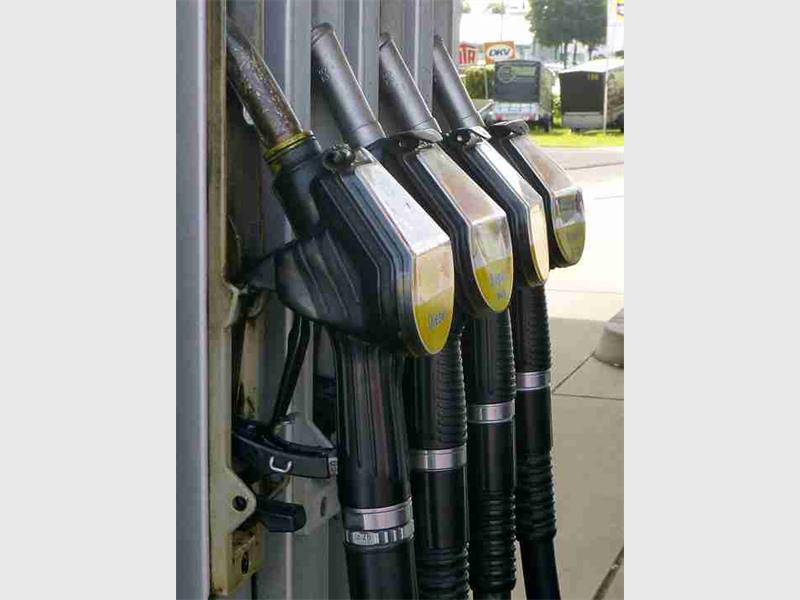
With electricity prices up from 1 April and fuel prices increasing on Wednesday 3 April, consumers will have to re-adjust their budgets.
This is primarily because both these commodities are necessities in the majority of South African households.
Dhashni Naidoo, Programme Manager at FNB Consumer Education said, “The increase in fuel and electricity prices will heap more pressure on the already stretched consumer’s finances. The combined effect of the increases is likely to snowball into other expense areas. For example, an increase in fuel impacts transport costs, which has a cumulative effect on the price of consumer goods such as food. This coupled with an electricity price hike will place a further burden on consumer expenses.
“A change in habits can go a long way to contain the extent to which consumers are impacted,” Naidoo added, suggesting that consumers will have to take practical steps to ensure they don’t buckle under these increases.
Naidoo recommended the following:
• Draw up a budget and stick to it.
It does not matter how much you earn, you should have a budget in place to manage your expenses. A budget will help you monitor how your money is being spent and areas that may require some adjustments. This may be a good time to examine how much you spend on non-essential items, such as entertainment, with the intent of reducing expenditure on non-essential or luxury items. It is important to be cognizant of ‘needs’ versus ‘wants’ when allocating funds. For example, you need transport to and from work daily so spending on transport is inevitable, whereas if you are spending too much on entertainment such as movies and dining out – which are ‘wants’ – you may have to relook this to ensure you are able to allocate funds to important expenses and still meet your financial goals.
• Consider a lift club.
It may be worth considering a lift club to lessen the blow of the petrol price increase on your pocket. If a colleague drives in the same direction as you towards your place of work, perhaps suggest travelling together in one car. If you remain consistent with this, you will notice over time that you are spending less on transport as compared to when travelling alone.
• Manage your electricity usage.
While the cost of electricity will go up quite significantly, households can manage what they pay by using electricity sparingly. If you have electrical appliances that typically consume a lot of power, rather switch them off. For example, when you are at work during the day the geyser can be kept off to limit power consumption, since the less power you use the less you pay. Another way of managing consumption is switching off plug points when appliances such as a TV or microwave are not in active use.
• Reduce debt.
Make sure to pay off outstanding debt as soon as possible. Often in difficult times we neglect paying outstanding loans or store accounts. However, the long-term implications of this can be catastrophic for consumers, resulting in long-term financial distress. The sooner you reduce debt, the sooner you are able to redirect those funds to savings.
• Make room for savings.
As costs escalate it will be more challenging to save; however it’s important to always put something aside. Remember that it’s not how much you put away, it’s the principle of saving consistently that matters the most. You can also create savings by shopping more economically, for example, by buying bulk or shopping around for the lowest price. Any reduction in spending is also a saving.
“Increases such as in petrol and electricity prices can have a major impact on households, thus they require a change in attitude as to how we spend and change our consumption and financial behaviour,” said Naidoo.