
A silent struggle between nursery schools on the West Rand and local government has been building over time, and seems to be reaching boiling point.
Nursery schools, for the most part, operate largely on the school fees the learners’ parents pay. Most nursery schools have a sufficient number of learners, teachers and other staff, and sufficient income to be completely self-sustaining. In other areas where parents’ incomes are not sufficient to send their children to school with a packed lunch every day, nursery schools do not have the luxury to ask or increase their fees.
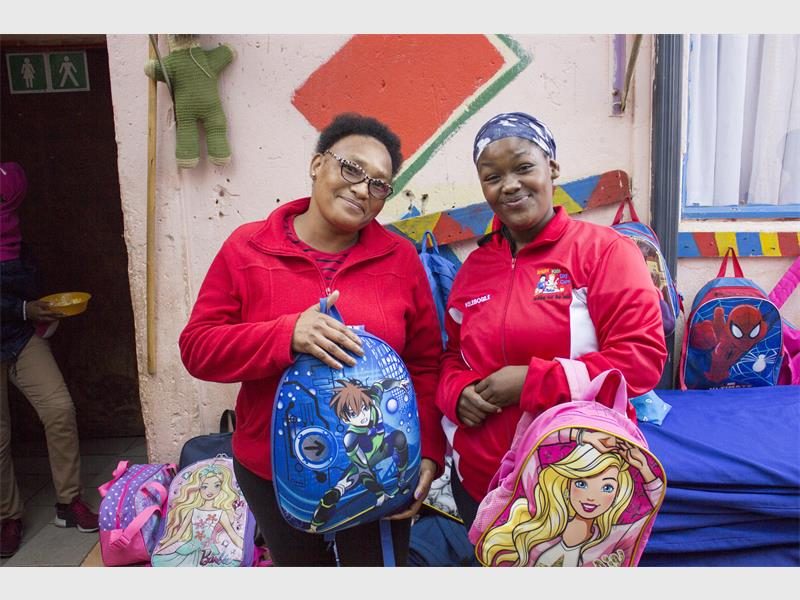
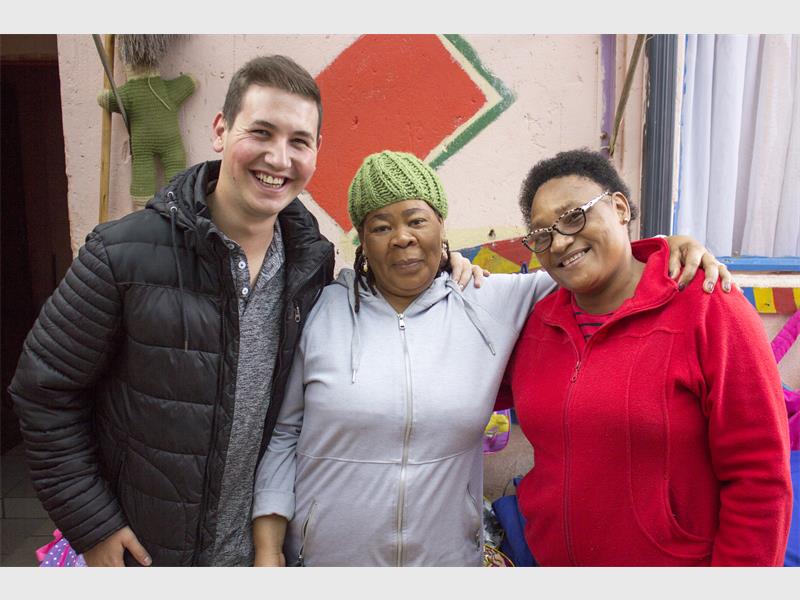
Kyle Tolman and his team at Cross Connect Community Outreach (CCCO) have been providing many schools with supplies and fresh food for the children. Recently they had to help those schools figure out how to survive in the changing financial climate.
On average, the maximum monthly fee charged at nursery schools in underdeveloped and rural areas in and around Krugersdorp is R350. There is a limit to the number of children who may attend the school as it depends on the number of teachers at that school. This said, most of these schools have, give or take, 30 children, two teachers and the principal. This means that the school can bring in roughly R10 500 per month, barely scraping by.
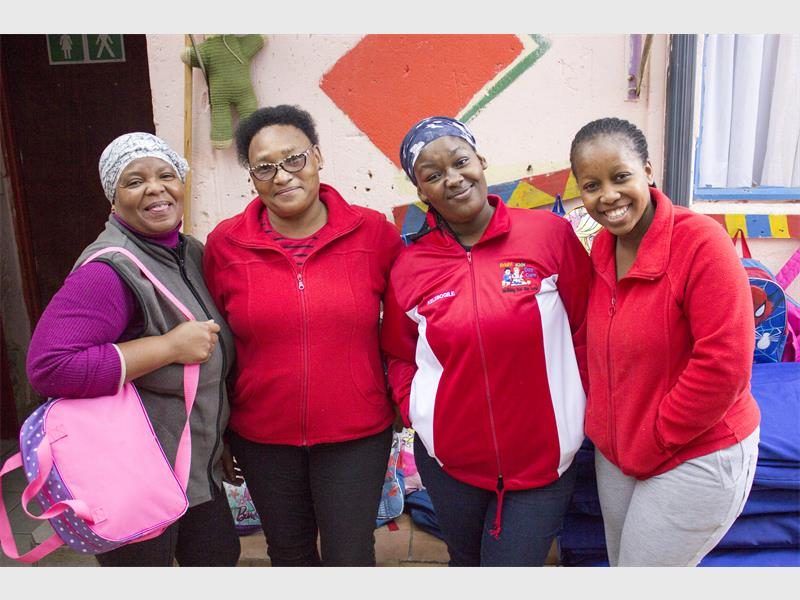
The Department of Labour is now focusing on implementing stricter minimum wage requirements, forcing schools to pay their staff at least R3 500 per person per month. This means that the wages for two teachers and the principal amount to at least R10 500 per month. After the salary deductions, the school’s income will be completely depleted before any of the other expenses have been covered. These include rent, water and electricity, food for the children, stationery and other necessities to care for and teach the children.
This wouldn’t be a problem if these public schools received funding from the Department of Social Development, as they used to in the past. Any extra funding could help them pay all their staff, improve their learners’ nutrition and supply them with proper study aids.
Kyle mentioned an instance where one of the principals showed that she had been applying for funding on several occasions over the past three years and was denied every time.
Early Childhood Development’s Chair, Lizzy Molapo, explained that nursery schools have to comply with many regulations to be able to receive this funding. These regulations are mostly out of reach, financially, for the struggling schools to implement. For example, each school needs child-sized toilets that cost about R1 700 each, of which some will need at least four. Classrooms have to have air-conditioning, there needs to be wash basins, a separate kitchen, quite large indoor spaces and an outdoor play area, among other things. Most of these seem like obvious requirements that every crèche should already have. But, all these cost a lot of money, which just isn’t accessible for those that can barely keep their heads above water.
After Kyle and Lizzy had met with the Community Work Programme in Munsieville, this department promised to make about 30 of their workers available for two days every week to help with basic operations and preparing food. This will alleviate some of the financial burden, but there is still a long way to go before they can be saved from closing their doors for good.
After speaking to the relevant departments, Adrian Amod from Mogale City’s Corporate Communications Department noted that, “The registration and funding of ECDC centres is a competence or a function of the Gauteng Provincial Department of Social Development. The facilities have to comply in terms of the Children’s Act 38 of 2005 to be funded, an area on which the municipality can provide some guidance. They can also contact the municipality with any further inquiries related to this matter.”