
Krugersdorp to Kilimanjaro and a little over R55 000
As the two men ascended to the top of Africa, the landscape changed every day and, eventually, it seemed as though they were on another planet.
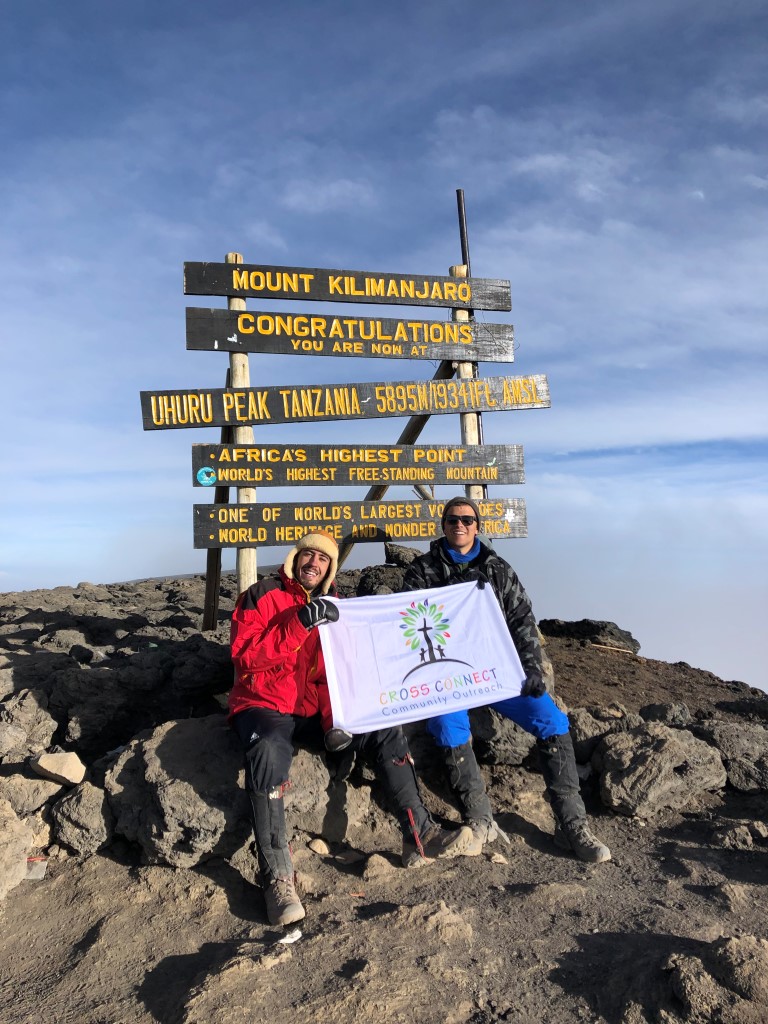
What is it that drives someone from a simple life in Krugersdorp to the top of the world? Who would travel nearly 3 600 kilometres into Africa just to ascend to the summit of the continent, five kilometres high?
“Climbing Kilimanjaro was something I never thought I’d do, but I’m incredibly happy I did. The landscape changes every day and eventually it just seems as though you are on another planet,” said Thomas Prevost.
Thomas Prevost and his friend, Roderick MacKinnon, set off from the base of the mountain on a climb that took them several days, eventually reaching the Uhuru Peak.
“Finally getting a glimpse of the notorious sign was a surreal feeling. We both shed a tear. After so many days of hiking and so many months of training, everything we’d been working and hustling for was right within our grasp,” Roderick noted gleefully.
The purpose of the two Cross Connect Community Outreach members was to raise funds to renovate the Boitshoko Day Care Centre in Munsieville. They raised just over R55 000 for this cause on the Give Gain fundraising website during their expedition. The project was aptly named the Kili for Kids fundraiser.
At about 5 900 metres above sea level, Thomas and Roderick had a panoramic view over hundreds of kilometres to the horizon. At times, the two very literally stood on clouds once the mass of white rolled in. Uhuru Peak is fairly flat and featureless, save for the patches of snow at the icy crest. But, it wasn’t just the exceptional view which drew the men to this challenging trek. “It’s far more than just a physical challenge. Until summit night, it’s not terribly difficult physically. The most challenging part is the mental game. Your biggest obstacle when climbing Kilimanjaro is an uncontrollable variable; how your body will react to new altitudes,” Roderick explained.
On the final day, they set off at just after midnight and reached the peak at exactly 7.38am when the sun had barely begun to shine in the far distance.
“One of the reasons for doing it in the dark is so that you don’t see how much climbing is left, which can be discouraging, especially if things aren’t going your way,” Roderick also added.
Thomas ended off by saying, “I thought I was reaching my limit at around 5 300 metres when I was sick with still 4 hours of hiking left. Our team just kept going and pushing until we made it and I wouldn’t have had it any other way”.