
WHO debunks Covid-19 myths
A few health agencies have debunked certain myths and misunderstandings surrounding the coronavirus.
The National Institute of Communicable Diseases (NICD), World Health Organization (WHO), Centers for Disease Control and Prevention (CDC) and John Hopkins Medicine (JHM) debunked the following myths and provided clarity on uncertainties surrounding the virus SARS-COV-2 and disease it causes, Covid-19:
– Spraying alcohol or chlorine all over your body will not kill viruses that have already entered your body — NICD and WH
– The new coronavirus cannot be transmitted through mosquito bites — NICD and WHO
– Cold weather and snow cannot kill the new coronavirus. The normal human body temperature remains around 36.5°C and 37°C, regardless of the external temperature or weather — NICD and WHO
– Taking a hot bath does not prevent the new Coronavirus disease — NICD and WHO
– The best way to protect yourself against Covid-19 is by frequently cleaning your hands. By doing this, you eliminate viruses that may be on your hands and avoid becoming infected when you touch your eyes, mouth and nose — NICD and WHO
– There is no evidence from the current outbreak that eating garlic has protected people from the new coronavirus — NICD and WHO
– Hand dryers [such as in public bathrooms] are not effective in killing the Covid-19 — NICD and WHO
– From the evidence so far, the new coronavirus can be transmitted in all areas, including areas with hot and humid weather — WHO
– Ultra violet (UV) lamps should not be used to sterilise hands or other areas of the skin as radiation can cause skin irritation — WHO
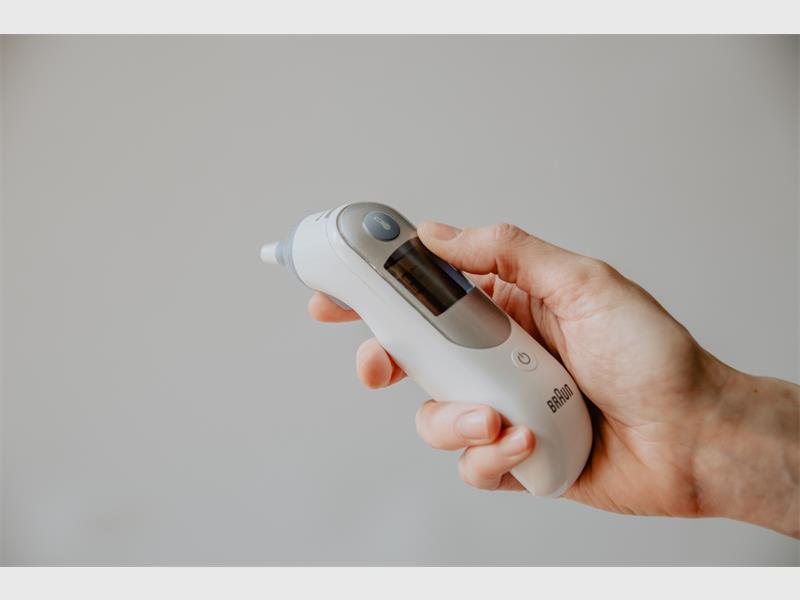
– Thermal scanners are effective in detecting people who have developed a fever because of infection with the new coronavirus. However, they cannot detect people who are infected but not yet sick with fever — WHO
– It takes between two and 10 days for people who are infected to become sick and develop a fever — WHO
– Vaccines against pneumonia, such as pneumococcal vaccine and Haemophilus influenza type B (Hib) vaccine, do not provide protection against the new coronavirus. The virus is so new and different that it needs its own vaccine — WHO
– There is no evidence that regularly rinsing the nose with saline has protected people from infection with the new coronavirus — WHO
– People of all ages can be infected by the new coronavirus. Older people, and people with pre-existing medical conditions (such as asthma, diabetes and heart disease) appear to be more vulnerable to becoming severely ill with the virus — WHO
– Antibiotics do not work against viruses, only against bacteria. The new coronavirus is a virus and, therefore, antibiotics should not be used as a means of prevention or treatment— WHO
– To date, there is no specific medicine recommended to prevent or treat the new coronavirus — WHO
– Diseases can make anyone sick, regardless of their race and ethnicity — CDC
– For most people, the immediate risk of becoming seriously ill from the virus that causes Covid-19 is thought to be low — CDC
– Someone who has completed quarantine or has been released from isolation does not pose a risk of infection to other people — CDC
– It’s not true that you can protect yourself from Covid-19 by swallowing or gargling with bleach, taking acetic acid or steroids, or using essential oils, salt water, ethanol or other substances — JHM
– It’s untrue that ordering or buying products shipped from China will make a person sick. Scientists note that most viruses like this one do not stay alive on surfaces for very long, so it is not likely you would get Covid-19 from a package that was in transit for days or weeks — JHM