
What to do and not to do if someone has a burn injury
With the cold winter weather come different ways to heat and light homes. In poorer communities in particular, open flames can lead to burn injuries. Here are some tips that can help in such a case.
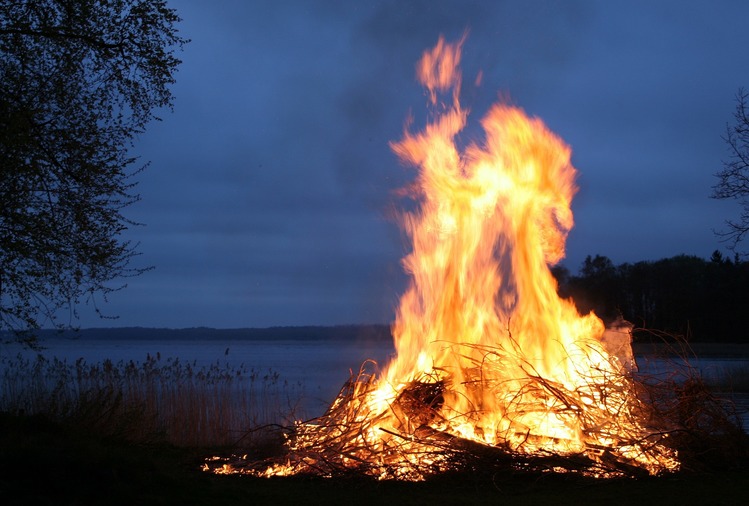
ER24 has suggested some dos and don’ts for treating burn wounds, saying that in the colder winter months burns are more frequent.
In a statement sent by ER 24’s Media Liaison, Russel Meiring, he explained that in winter, the risk of fires increases significantly.
“A Medical Research Council report estimates that every year, approximately 1,6 million South Africans suffer burn injuries – and most of those victims are from poorer communities,” read the statement.
This could be attributed to the fact that many low-income communities do not have electricity and have to make use of candles, lanterns and paraffin stoves for heating and lighting in and around the home.
Gas heaters and open flames in small rooms are common causes of fires in informal settlements, and fires can spread rapidly due to the flammable materials.”
He went on to say that it is not uncommon for emergency personnel to respond to fatal residential fires. In many cases their paramedics also treat people for smoke inhalation or severe burn injuries.
Here are some tips to help someone who has burn wounds.
Don’t
• remove burned clothing that is stuck to the body
• use very cold water or ice on a burn
• apply ointments, jellies, sprays or first-aid creams to severe burns
• burst blisters
Do
• remove clothing and jewellery that has been burned
• run tap water or room-temperature water over the burn
• apply a loose, clean, dry cloth or bandage to the burned area after it has cooled and seek medical care