Proudly Zulu!
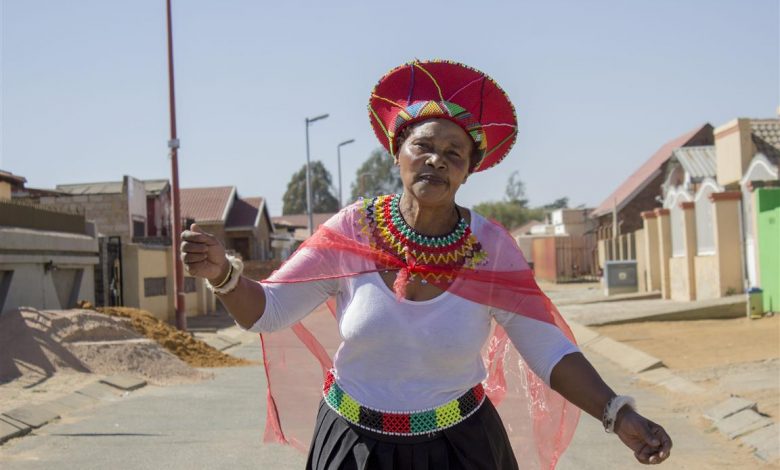
To celebrate an entire month of heritage, the News will take a look at different cultures. Starting with the largest ethnic group of South Africa – the Zulu – the News met Dolly Ndlovu, the ‘mother’ and leader of her village in Kagiso.
Heritage Month is a celebration of all cultures that make up the South Africa demography.
Annually, 24 September is known as Heritage Day but way back it was known by a different name; Shaka Day, after the Zulu king, Shaka Zulu. In 1995, the day was incorporated into the national calendar and Heritage Day was born.
To celebrate an entire month of heritage, the News will take a look at different cultures.
Starting with the largest ethnic group of South Africa – the Zulu – the News met Dolly Ndlovu, the ‘mother’ and leader of her village in Kagiso. She is also lovingly known among her people as Skhukhukaz, which is loosely translated to ‘mother hen’.
Her grandparents came from Isandlwana, which has historical significance as during the fierce Battle of Isandlwana in 1879, Zulu warriors defeated just over 1 300 British soldiers.
Skhukhukaz was born about 80km from that battlefield in Vryheid, KwaZulu-Natal, and moved to Mogale City in 1990. She speaks very little English. Everything about her is deeply rooted in the Zulu culture. She leads her people and happily teaches the young ones about their culture every day. While Dolly spoke to the News, local celebrity DJ Grizzly translated.
We have to remember the ancestors every time. Do your part to acknowledge them in everything you do. It’s a way of one to one, not praying but talking to them, respecting them, but pray to God. We ask them for mercy and praise them for the good and the bad.”
Each family, or clan communicates only to their chosen ancestors from their own line. Dolly speaks to the Ndlovus of the past to ask for guidance and more importantly, to show respect.
Dolly tried to explain their way of living, but because of the many intricacies of her culture, the best translation came down to this: “The Zulus are very close to how the lions live. We make sure that every day, food must be very meaty. Women respect the men, but have a bigger role. Women must be mother to everyone in the village; she does the religion, cooking and caring.”
As for meat and drink, they regularly enjoy a traditional home-made beer called Umqombothi; they eat Uphuthiu or Ugali which is a porridge specific to the Zulus, or a drinkable sour porridge called Amageu. They love to drink a sour milk called Amasi and eat mostly meat which they call Inyama.
Clothing is especially important to the Zulu people.
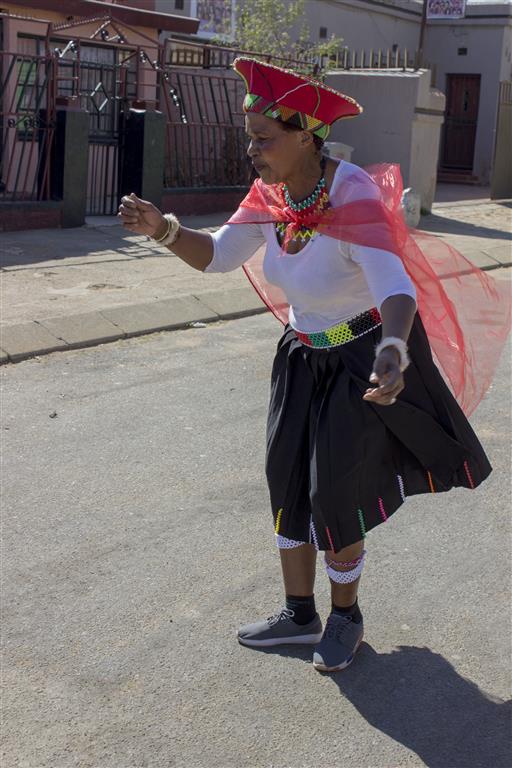
Dolly’s black skirt is called an Isidwaba, which she must always wear to show respect to her house. If a woman’s husband dies, she may only remove the Isidwaba when a goat is slaughtered, she explained. The transparent top/ shawl is an Ibhayi. The isicholo traditional hat symbolises her becoming the mother of the home and, with the shawl and the beads she shows her respect to their ancestors.
Dolly finally said that it’s important to know the clan praises: Ndlovu Gadsheni Mpongo wena ka Zingielweyo, which DJ Grizzly explained isn’t as much a phrase as a list of figures important to the clan. Again, it’s a way of giving praise, saying thanks and remembering what impact their past has on their daily lives.