
Covid-19 vaccine rollout: About ‘herd immunity’ and how vaccines work
'It’s important to understand that herd immunity does not provide complete protection to those who cannot safely be vaccinated.'

By now, you’ve more than likely heard about the worldwide Covid-19 vaccine rollout. Affinity Health examined the concept of ‘herd immunity’, how vaccines work and ways we can all help flatten the infection curve.
According to recently published information, the Department of Health in South Africa aims to vaccinate 40 million people by December. To be effective, each person requires two doses of the vaccine, resulting in a need for about 80 million doses. To date, the government had secured more than 50 million doses – a long way short of the amount it needs. Another 500 000 doses are expected to arrive later this month.
In addition to the big question of whether SA will have enough vaccines for all of us are questions around how the Covid-19 vaccines work, the possible side effects, and the importance of continuing to take infection-prevention steps.
There is a lot of misinformation around the Covid-19 vaccine,” said Murray Hewlett, Affinity Health CEO.
“To understand more about the Covid-19 vaccine, one must first understand the role vaccines have in our society.”
According to Hewlett, humans have successfully developed vaccines for several life-threatening diseases throughout history, including meningitis, tetanus, measles and wild poliovirus.
Vaccines work by helping the body’s immune system recognise and fight off the viruses and bacteria they target. If the body is exposed to those disease-causing germs later, the body is ready to destroy them immediately, preventing illness. A vaccine for the virus that causes Covid-19 is an ideal approach to achieving herd immunity.
“The term ‘herd immunity’ is often heard in the news. While it sounds a little strange, it’s a simple concept,” explained Hewlett.
When many people are vaccinated against a particular disease, the disease has a more challenging time spreading because most of the people it encounters are immune. The more others are vaccinated, the less likely people who are unable to be protected by vaccines are at risk of even being exposed to the harmful pathogens. This is called herd immunity.”
Affinity Health said it’s important to understand that herd immunity does not provide complete protection to those who cannot safely be vaccinated. But it does slow down the spread of diseases. Vaccines may also have side effects.
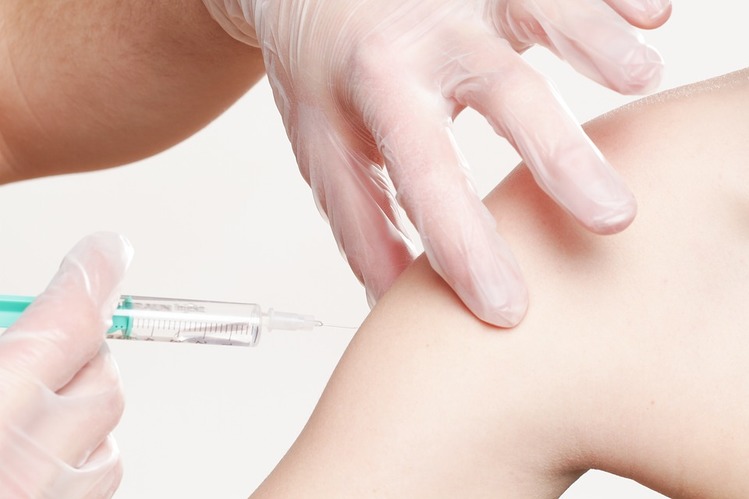
Some people who have had the Covid-19 vaccine have complained of mild to moderate symptoms, including:
• Swelling, redness, or tenderness at the site of the injection
• Headache
• Muscle ache
• Feeling tired
• Fever/ high temperature (37.8°C or higher)
While less common, there have been isolated reports of life-threatening side effects, including anaphylaxis, a severe and dangerous reaction that can constrict airways and send the body into shock.
While the government continues to secure enough Covid-19 vaccines, all South Africans should be helping to stop the spread of the coronavirus by taking all the appropriate precautions, including wearing a face mask, social distancing, and self-isolating if you feel unwell,” concluded Hewlett.