
Flying a drone? Know the law first
A local drone pilot explains that flying drones at public events isn't just disruptive – it can be illegal and pose serious safety risks.
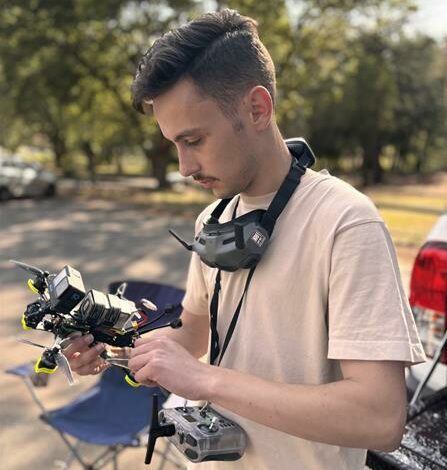
When you attend a large public event, you might notice a drone flying over the crowd, however, local drone pilot Dillon Hoffman explains why this is often against regulations.
Dillon has over three years of experience in the field of drones, holding a Remote Pilot Certificate (RPC) as well as certifications in both Safety Management Systems and Quality Management Systems.
“I currently serve as the chief pilot at a production company and regularly do freelance work for various other drone operators who are legally registered under the Unmanned Aircraft System Operator Certificate (UASOC) as required by the South African Civil Aviation Authority (SACAA),” he explained.
ALSO READ: Drone footage captures a whale of a time!
He stated that drone operations in South Africa are governed by Part 101 of the South African Civil Aviation Regulations, with the SACAA enforcing compliance.
Given that anyone can simply purchase a drone, it is essential to know how to fly one safely.
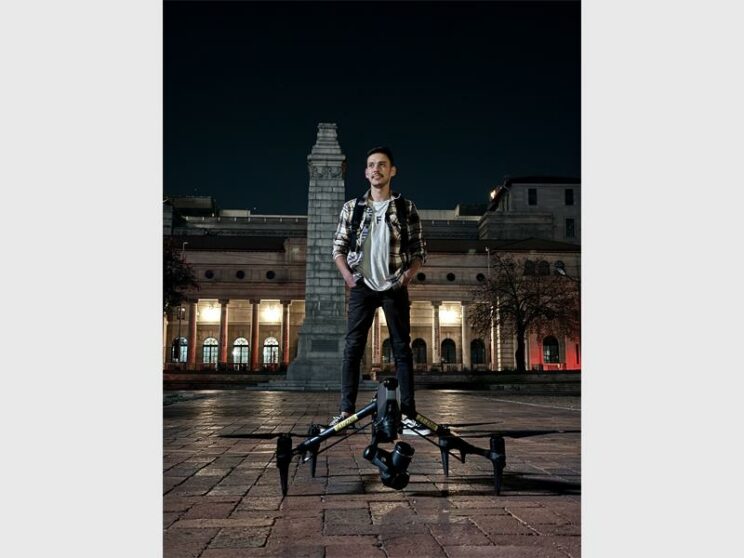
Dillon provided some tips:
• Be aware of your airspace and its limitations
• Remain within visual line of sight (VLOS)
• Avoid flying near people, roads, or airports without permission
• Conduct pre-flight checks
• Always use a device that adheres to safety standards
• And very importantly, if you are flying for commercial purposes, you must operate under a UASOC. An RPC alone is insufficient
ALSO READ: Sector 8 CPF welcomes newest member – Buzzy the drone!
“Some laws and regulations are often disregarded, including individuals who possess only their RPC and mistakenly believe it legally permits them to fly commercially.
“This is untrue. You must also operate under a UASOC. Many fly for payment or client work while claiming ‘personal use’. Others operate drones under 250g and assume this is automatically legal, but they confuse it with rules from the USA.
“Those exceptions do not apply in South Africa. It is also common to fly over people, at night, or without permission on private property,” he explained.
He emphasised that individuals should remain aware that they are personally liable for any damage or violations.
“You must understand that ‘personal use’ does not equate to commercial work. Once compensation or a client is involved, you must fly under a UASOC. The mere fact that a drone is small or under 250g does not grant you the right to operate it anywhere, South African regulations still apply,” he said.
ALSO READ: Epic drone save
Dillon pointed out that safety issues can arise if someone pilots a drone without adequate knowledge.
“This includes aviation hazards such as collisions with other aircraft and helicopters, injuries to people on the ground, disruption of emergency or police operations, and potential invasion of privacy or accidental violations of laws,” he explained.
He noted that when an amateur pilot inadvertently breaks the law, the SACAA investigates complaints and can collaborate with the police or local authorities. Operating without an RPC or outside a UASOC constitutes a legal violation and may result in prosecution.
“You could be fined up to R50 000, face criminal prosecution, or risk losing your equipment and being permanently banned from commercial flights,” he warned.
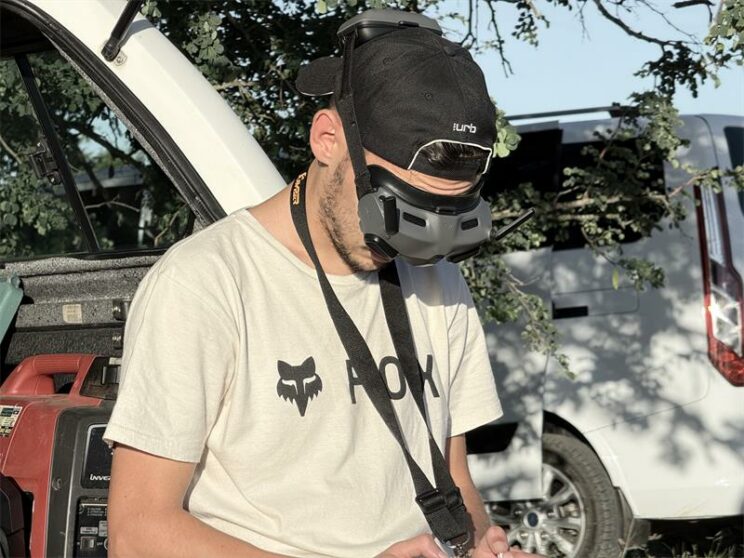
He added that laws are most commonly broken at festivals, beaches, parks, and tourist spots where individuals are unaware of airspace restrictions, including flying over people and property without permission or near airports or helicopter landing zones without permits.
ALSO READ: #CITYNEWS – ABSA DRONE SHOW
To remain qualified to operate a drone, you should:
• Enrol in a SACAA-approved course
• Obtain your Remote Pilot Certificate
• Work under a company with a UASOC or establish your own with SACAA approval
• Complete the necessary Air Law exam, practical assessments, and medical requirements
Dillon stated that if you see someone operating a drone illegally, you can report it on www.caa.co.za, to local police, or to municipalities and aviation safety bodies where applicable.
“The future of drones is full of potential, from film and photography to security, agriculture, and disaster management.
“But if we wish to see this technology develop sustainably and safely, we all need to take responsibility. We must collaborate to protect our airspace and ensure operations are conducted according to correct procedures.
“The industry already has a solid framework of rules and standards, and we must hold accountable those operators who violate them.
“Ultimately, it is the legal operators and registered companies who uphold the industry’s reputation. We also have an opportunity, along with the SACAA and other stakeholders, to further refine and adapt regulations as technology evolves.
“This is still a young industry, and by working together, we can ensure a safe, professional, and innovative future for drone operations in South Africa,” he concluded.