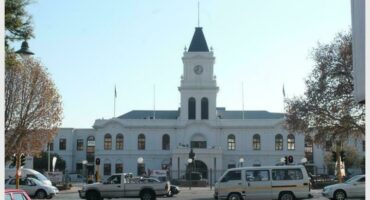
Over R22m allocated to revive Percy Stewart Waste Water Treatment Works
The municipality provides the latest update on restoration work at the Percy Stewart Waste Water Treatment Works.
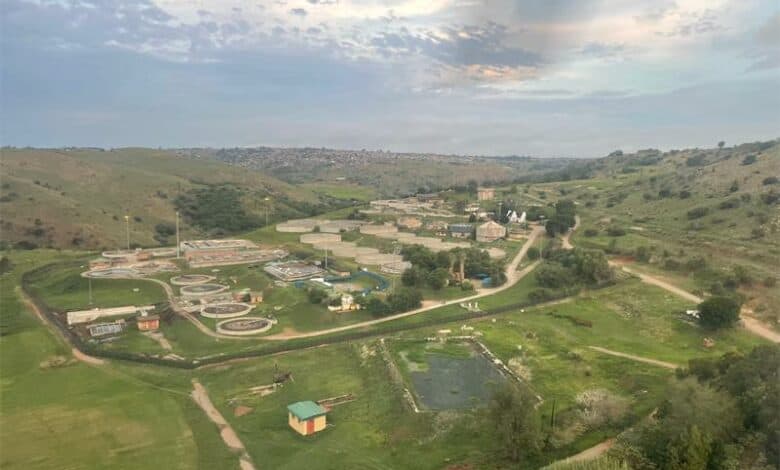
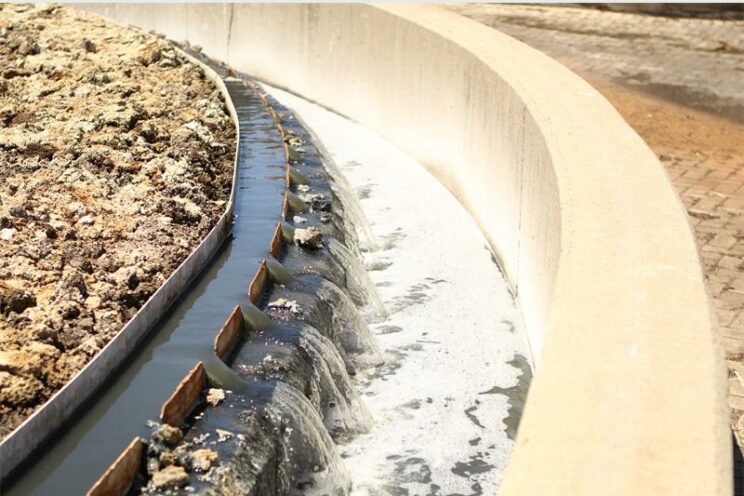
Over R22m has been budgeted to restore and rehabilitate the defunct Percy Stewart Waste Water Treatment Works (PSWWTW).
Mogale City Local Municipality (MCLM) is working closely with the Cradle of Humankind Management Authority, the provincial government and others, including environmental pressure groups, tourism establishments and other role players to fully restore and rehabilitate the treatment works.
“We are working closely with the above-mentioned roleplayers who form part of a collaborative forum that oversees the progress of PSWWTW and works towards full restoration and rehabilitation of the environment,” confirmed MCLM communications officer Adrian Amod.
• Also read: More hazards near Percy Stewart plant
Amod also gave an update on the progress of the restoration of PSWWTW.
He said R22.5m has been budgeted for the 2024/ 25 financial year, with R15m funded by the Integrated Urban Development Grant and R7.5m from municipal funds.
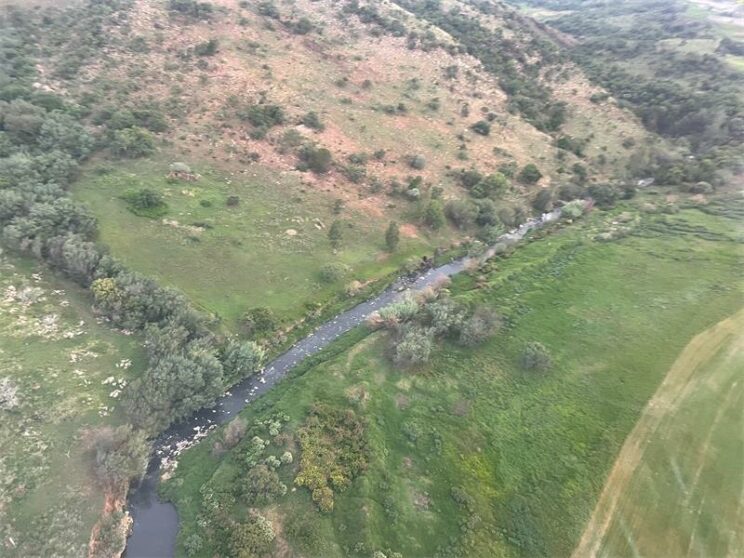
The following restoration work can be reported:
• Due to previous theft and vandalism, the construction of a secure, durable boundary fence is 60% complete
• Refurbishment of Primary Settlement Tank (PST) No 01 bridge and scum removal system
• Refurbishment of PST No 07 bridge and scum removal system. As a result, the water quality has improved, evidenced by clearer water
• Inlet works: Refurbishment of mechanical screens, hydro-conveyor, compactors, and the Vortex de-gritter and grit classifiers system, including all related equipment and pipework
• Recommissioning of process units for the Gelita Pre-treatment plant
• All vandalised copper wiring and electrical components were replaced by aluminium to minimise the risk of theft and vandalism
• Installation of return-activated sludge pumps to recycle sludge back to the aeration tank, ensuring treatment to desired standards
• Replacement of four out of six aerators, which provide oxygen for bacteria to treat and stabilise wastewater
• Installation of two out of three new mixers, which help de-solidify sludge and mix it with wastewater
• Containment of onsite spillages that had encroached onto neighbouring farms
• Repair of the sludge lagoon where sludge is pumped from digestors
• Introduction of Bioremediation to improve the quality of effluent and reduce the sludge build-up
• The contractor is currently working on other components, including the Motor Control Centres for the Biological Nutrient Removal system and additional structures
• The municipality, working in partnership with the police, has deployed a high-risk security unit at the treatment plants, which is averting threats of theft and vandalism
• The municipality has hired additional human resources to address operational capacity constraints at the treatment plants. Late last year, nine processors were appointed to tackle part of the resource limitations. Of these, four positions were allocated to Percy Stewart
• Also read: Presidency raises concern regarding Percy Stewart
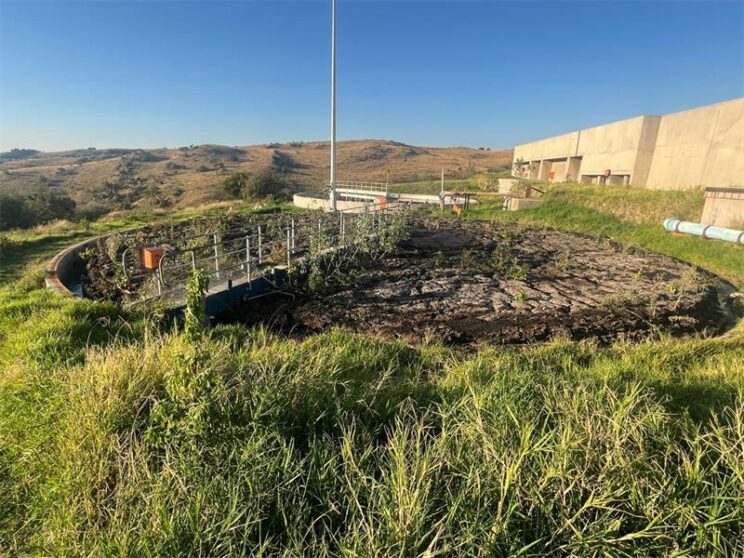
“While significant progress has been made, further restoration work is needed to bring the plant to full operational capacity. An estimated R150m is required to complete these remaining refurbishments, which will address operational capacity, sewer treatment for a growing population, and other environmental factors.” Amod emphasised.
On top of this update, he also provided information regarding other pump stations and sewage works.
Magaliesburg Wastewater Treatment Plant:
This plant, which was near a complete standstill due to theft and vandalism, is now fully operational.
• Also read: No mercy for Percy as situation remains unchanged
Flip Human Wastewater Treatment Plant:
“Flip Human is operational and awaiting a turnkey [emergency treasury-compliant procurement process] appointment to initiate the required refurbishment work. The plant requires about R150m, as outlined in the 2020 conditions assessment, which details the scope of work. While the completion of Percy Stewart and Flip Human plants remain current priorities, an allocation of R7m has been set aside from municipal funds for Flip Human fencing. However, the total estimated cost of R150m remains unchanged. To cover this shortfall, the municipality plans to apply for government grant funding and is also open to exploring private sector or other partnership opportunities to support the full refurbishment of the water treatment infrastructure,” Amod revealed.
Sewage pump stations:
Amod said MCLM has a total of 22 sewer pump stations, of which 13 have been non or only partially operational due to various factors, including infrastructure vandalism and theft, blockages, historical lack of maintenance, ageing infrastructure, imbalances in demand and supply, and issues with electricity backups.
“In March 2024, following a turnkey appointment process and budget re-prioritisation, the municipality rolled out a programme to refurbish all non-operational pump stations. Priority was given to the problematic Munsieville, Magaliesburg Ga-Mohale, Brickvale, and Pinehaven Pump Stations. Although repair work was delayed by the need for imported equipment, we can confirm that five pump stations have been successfully refurbished and are now fully operational, at a total cost of R11m, with Brickvale funded through the Department of Human Settlements budget,” he addressed.
However, he further explained it should be noted that while the Royal Cradle pump station is now operational, it still requires full refurbishment. The phased refurbishment approach is driven by budget constraints, with the municipality’s primary objective being to ensure all pump stations become operational first, with full refurbishment to follow.
In addition to the six refurbished pump stations, Amod stated that several additional pump stations are scheduled for completion by June, including Magaliesburg (Hilltop and River), Bush Street, Adam Street, Rietvallei Ext 1, Ethembalethu, and Lusaka. The Rietfontein Village sewer pump station is set for completion in the 2025/ 26 financial year (July to June 2026). This repair work is aligned with the allocated budgets over two years and is expected to significantly reduce sewer spillages at the community level while alleviating pressure on the broader water treatment network.
He added the budget for the current financial year is around the same at around R25m.
“The municipality is fully aware of the severity of the sewer water issues in Mogale and the concerns raised by affected parties. We are confident that the phased refurbishment and ongoing interventions will lead to gradual improvements in effluent quality. However, before a complete end of sewer discharge into the river system can be achieved, rehabilitation of the rivers, too, is necessary, as some areas have experienced sewer settlement that will require extraction work. It is anticipated that, with the necessary budget also allocated, one fiscal year with allocated funds will be sufficient to bring the plants into full compliance with water quality standards.”
He assured all affected sectors, individuals, and parties of its commitment to fully refurbish the network of Mogale City’s water treatment facilities.
“Whether through increased efforts to secure funding, enhanced collaboration with sister governments, strengthened operational capacity or private-sector partnerships, the municipal team remains focused on overcoming this historic challenge.”
Other challenges also included the quality of treated wastewater. In December 2024, AfriForum conducted green drop tests, which revealed PSWWTW’s wastewater was polluted for the last three years.
Amod clarified the difference between the blue and green drop tests.
“Since there’s been a lot of confusion in the public domain on the difference between sewer and drinking water. The testing as differentiated by colour can also further worsen that confusion. Therefore, it is important to indicate that Green Drop water quality testing applies to sewer water whilst Blue Drop is to our drinking water. Our Rand Water sourced drinking water [which is Blue Drop tested] is safe to drink and regularly tested even by the municipality. The sewer water coming from our toilets and other sources is, however, polluted due to our water treatment facilities not being fully operational. The quality of effluent will continue to show pollutants until the treatment works are fully restored and river systems rehabilitated as, over time, contaminants also settle in the riverbeds,” Amod explained.
He added the municipality is, however, implementing a bioremediation programme depositing good bacteria into the water to reduce the level of bad bacteria so that the quality of effluent is improved. While this is very costly, the effects of this and the results may also not be immediate.
On December 27, the chairperson of the portfolio committee for Gauteng Environmental Affairs, Agriculture and Rural Development, Jaco Mulder, said they welcomed the court action of the national Department of Water and Sanitation against MCLM regarding the pollution of the Blougatspruit and Crocodile River following the collapse of the PSWWTW in Krugersdorp.
The department approached the High Court in Johannesburg with an urgent application to obtain, among other things, a declaratory order against Mogale and its municipal manager, Makhosana Msezana, for their failure to fulfil their constitutional obligation and the large-scale dumping of untreated sewage into watercourses and allowing sprouts.
“Msezana, who fails to respond to correspondence, simply shifts the blame to the national department in his opposing court papers, saying that the responsibility for ensuring that water is polluted does not lie solely with Mogale City, but also with the national department,” Mulder pointed out.
Amod stated that the matter was struck off the court roll in December, and the municipality continues to work closely alongside the Department of Water and Sanitation to fully restore and, beyond that, maintain our treatment facilities.
There has also been a petition launched to rehabilitate the water in the Cradle of Humankind due to the pollution caused by PSWWTW, where it needs a minimum of 50 000 signatures to have an impact.
A link to the petition can be found here [https://www.petitions.net/rehabilitation_of_the_water_in_the_cradle].
Amod said, however, that their water and sanitation services have not received or been made aware of a petition.