Fire safety during increased load-shedding should be top priority
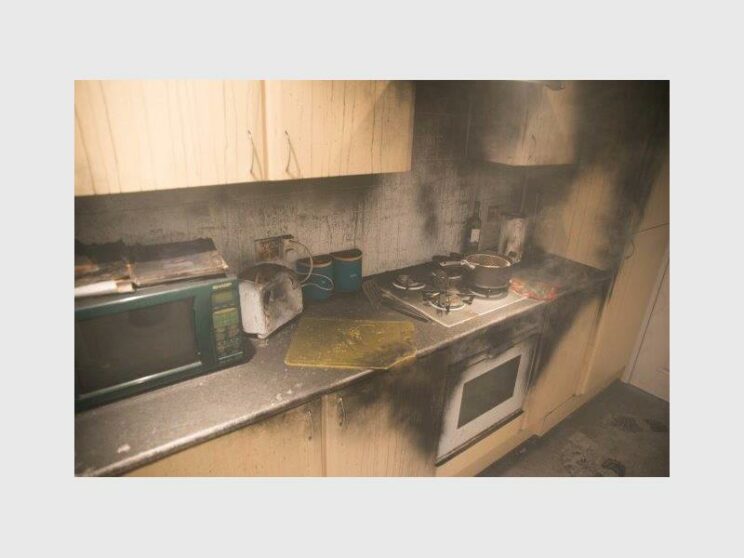
ASP Fire warns load-shedding implemented by Eskom poses a heightened fire risk for homeowners and their families.
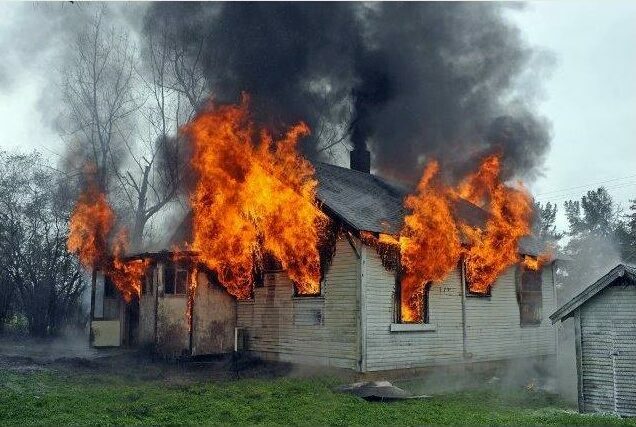
ASP Fire CEO Michael van Niekerk urged all homeowners to put basic fire risk mitigation measures in place to protect both their families and properties during load-shedding.
The first thing homeowners need to do in the event of load-shedding is to ensure all power sources are switched off.
“This might sound like common sense, but it is very easy to forget to do so when the power goes off unexpectedly and your home is plunged suddenly into darkness.”
Also read: Woman dies in Muldersdrift shack fire
Another risk factor is using candles as a light source, which need to be extinguished immediately once the power supply is restored. Homeowners need to ensure that candles are positioned correctly so that, if they fall over, they do not pose a fire risk. Any candles must be placed in proper containers as well to prevent this from happening.
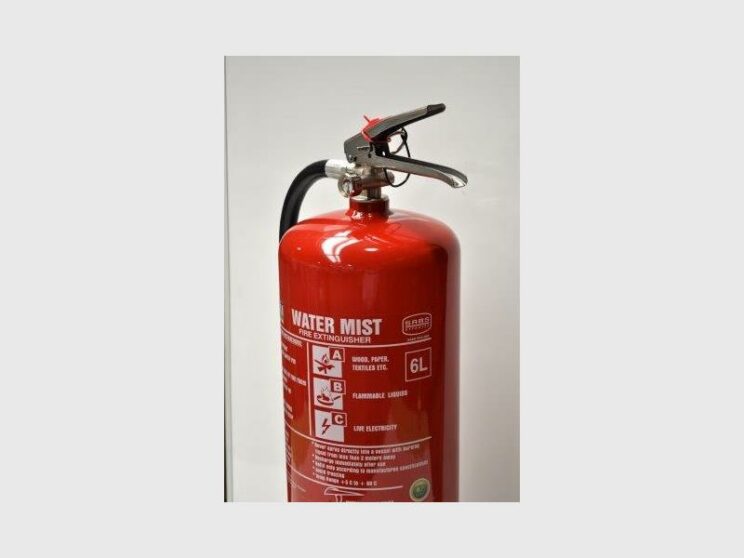
Van Niekerk advised homeowners to invest in a small fire extinguisher for the home and to ensure all residents not only know where it is placed so it can be accessed readily in darkness, but that everyone in the home knows how to operate it effectively in the event of any fire.
Fire prevention legislation tends to focus on commercial and retail spaces rather than standalone residential dwellings, where there is no regulatory requirement to have fire extinguishers, hose reels or even automatic sprinklers installed, which is also prohibitive from a cost point of view. However, Van Niekerk urges homeowners to have some fire prevention strategy in place, even if it just means having a fire extinguisher located at a central point such as a garage.
Also read: Muldersdrift resident loses home in devastating fire
Homeowners are increasingly opting for backup generators to supplement grid power in the event of load-shedding, but these pose their own safety and risk issues. Here it is essential to ensure that such generators are serviced and maintained regularly so that they can be switched on immediately in the event of load-shedding.
“If the power goes out and you switch your generator on, only to find that it is out of fuel, for example, the last thing you want to do is to attempt to refill that genset while it is running, or while the engine or exhaust is hot, as this poses a serious risk of causing a fire while doing this, as the generator can cause the fuel to combust,” cautioned Van Niekerk.