
Bully can also be the ‘cheerleader, quiet kid’ – LifeLine
LifeLine West Rand Director Karina Swart shares some tips about bullying, especially among children.
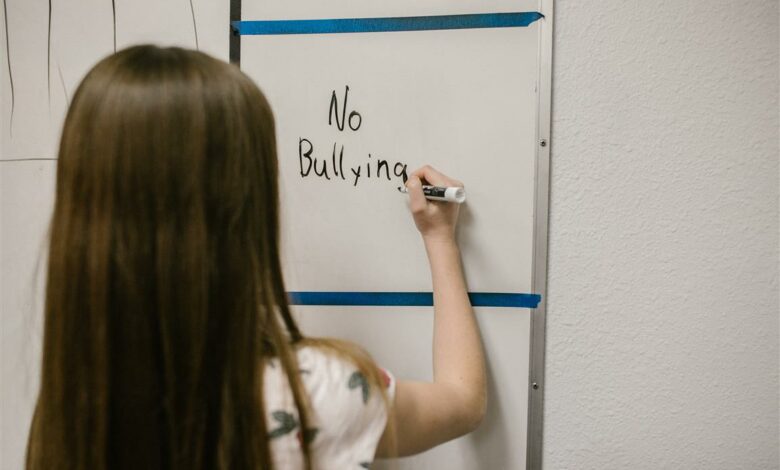
Bullying comes in various forms and with the help of LifeLine West Rand, parents and children can put an end to it.
LifeLine West Rand has programmes that they run about bullying with Director Karina Swart having recently shared some tips about bullying, especially among children.
• Also read: Why bullying should be taken seriously
What is bullying? It is bullying if:
• One person is hurting or harming another with words or behaviour
• It is being done on purpose
• The person being hurt is having a hard time making it stop
• The kids who are doing it have more *power.
*Power – the person bullying is older, bigger, stronger, or more popular or there is a group of kids who gang up
Types of bullying?
Bullying can be physical meaning pushing, shoving, hitting, kicking, biting or anything else on the body. It can also mean taking and damaging someone’s property. It can be verbal, this one is quick, direct and easy to do and includes teasing, name-calling, threats, mean jokes, rumours, gossip or saying things that aren’t true. It can be emotional and this type is not always obvious but can do damage. It is when you hurt someone on the inside and make them feel bad about themselves. Like leaving someone out on purpose, telling lies about someone or embarrassing them in public. Then there is also cyberbullying where technology is used like sending mean texts, posting videos, stories or photos that make fun of someone and spreading rumours online
Who gets bullied?
• Bullying can happen to anyone
• Bullying is about someone’s behaviour toward another person
• That behaviour could be directed at the shy, quiet student or the class tough guy
• Girls bully, boys bully, preschool kids bully and high school kids bully
• No one deserves to be bullied
Why does bullying prevention matter?
It could lead to children being scared to go to school which means they lose their opportunity to learn. It is every learner’s right to feel safe in school. Learners who are bullied may also have lower self-esteem and less self-confidence. They can struggle to concentrate in school because they are afraid of their bullies. It is also not just the targets of the bullies who are hurt by it. Learners who bully sometimes have problems with the law when they are older. Learners who see bullying sometimes feel afraid or angry and even though they want to help they do not know how
• Also read: LifeLine offers help for all
Who does the bullying?
• If you think the bully is the big tough kid on the playground it could be. But it can also be the cheerleader or the quiet kid
• It is not apparent what defines someone who bullies, it is their behaviour
• Learners who bully can be any size, age, grade or gender
Who else is involved?
• There is the group that sees the bullying. They are important because they may not be the ones being bullied but their reaction can make a difference. How they respond can change the situation
Telling vs. tattling
A lot of kids say they don’t want to tell an adult because they don’t want to be called a tattle-tale. But telling is done to protect yourself or someone else from getting hurt. Tattling is done to get someone else into trouble
What can you do if you are being bullied?
• Know that you do not deserve what is happening
• Tell someone. A teacher, your parents or a trusted adult
• Develop a plan on how to respond to that adult
• With the adult decide on how other children might be able to help
• Know your rights
Students who bully. What can they do?
• Understand that your actions hurt someone
• Know that it is never ok to hurt someone else
• Realise that everyone deserves respect
• Talk with a trusted adult and ask for help
Witnesses, what can they do?
• When students are willing to say when they think something is wrong they can make a difference.
• Let others know that you do not accept bullying at your school.
• If you see a bully tell someone.
• Tell the kid who is being bullied that he or she does not deserve to be treated that way.
• Ask friends to join you in being against the bully.
If you are being bullied you can contact the LifeLine West Rand crisis line on 0861 322 322 or 011 665 2281.