SANParks: Savanna Science Network inspires
“The conference is also an important forum for dialogue and debate about ecological science and conservation matters; and a pivotal point for future research collaborations”
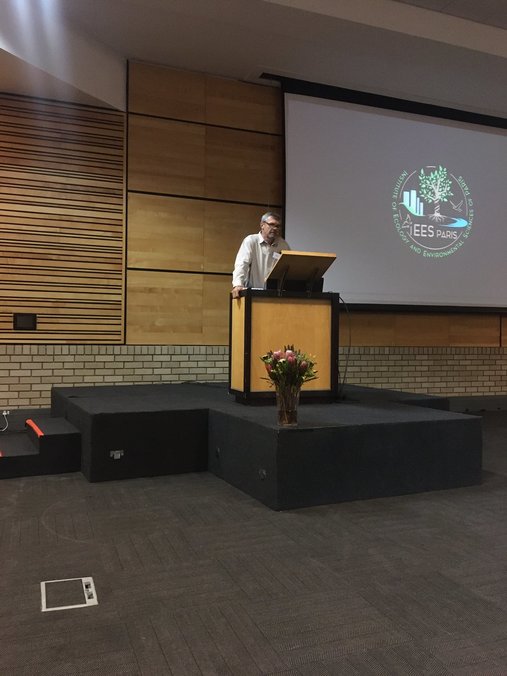
The Kruger National Park (KNP) hosted multitudes of scientists and researchers from around the globe at the 18th Annual Savanna Science Network Meeting.
The meeting took place at the Nombolo Mdhluli Conference Centre in Skukuza and started on Monday 2 March and concluded on Thursday 5 March.
READ: SANParks reaches hundred thousand mark
The meeting was set to host about 193 delegates who represented 88 different institutions from most continents. The programme explored about 119 presentations, and covered a wide range of topics which included research conducted in all Savanna National Parks and Protected Areas.
“The Science Network Meeting provides an opportunity for scientists to share their latest research findings conducted in national parks, and other conservation areas within the savanna biome,” stated the GM: Communications & Marketing, Isaac Phaahla.
According to him, this included numerous research projects from conservation areas mostly within South Africa (with Kruger National Park the best represented), but also drawing in relevant research and understanding from other savanna protected areas across the globe, including Australia, North America and Asia.
“Degradation in South Africa lacks definition and crucially needs a baseline for comparison, we need to discuss the ‘degradation’ word,” This was stated by Graham von Maltitz according to EMSAfrica project twitter feed.
Many topical issues in ecological and social sciences were covered during the week.
This year, there was a range of sessions covering topics, and these included:
• Ecological patterns e.g. animal space-use patterns, large scale biodiversity patterns and understanding ecological processes (erosion, predation, plant reproduction, herbivory, fire, disease and decomposition)
• Better understanding of how humans interact with and affect their natural environment (ecosystem services, ecological effects of different land uses, conservation ideologies, wildlife/livestock interaction, anthropogenic threats to freshwater systems, climate change).
• The meeting also had some fascinating sessions where some of the newest technologies used in conservation science, were showcased (drone-based LiDAR surveys).
SANParks scientists engage and collaborate with a wide range of scientists, research partners and funders from within South Africa and the world.
READ: KNP: Baboon troop steal and adopt lion cub
The close interaction between the academics and park authorities that the meeting facilitates, is key to promoting pro-active evidence-based decision making and directing research into priority conservation management needs.
The meeting has always valued capacity building, and as such students share the platform with world-renowned savannah scientists from across the globe.