People living with albinism defying the stereotypes
September is albinism awareness month and Herald’s journalist, Tintswalo Shipalana spoke to, Lester Nkuna and Vincent Chauke, who are both living with albinism to learn more about their life experiences.
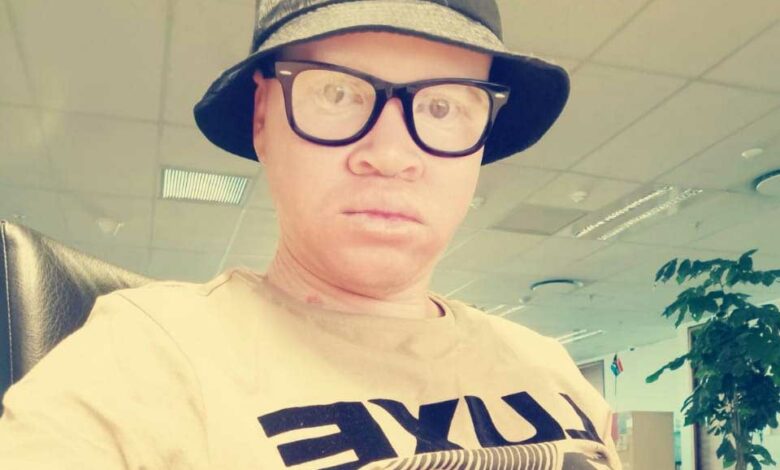
The dictionary defines albinism as the “congenital absence of pigment in the skin and hair (which are white) and the eyes (which are usually pink). According to Africa Albinism Network, one in 2000 people have albinism in the northern regions of South Africa. Lester Nkuna and Vincent Chauke, two Limpopians who suffer from the condition, told the Herald that misinformation is the biggest problem regarding their skin condition and that it is the “main reason why people don’t know how to relate to us”.

Lester (32), from Bungeni village outside Giyani, now lives in Tembisa and works as an HR clerk in Johannesburg. He says only started noticing that he was different from other children when his fellow classmates in preschool started teasing him calling him ‘mulungu’ which translates to a white person. He says as a defense mechanism against the constant bullying, he got very aggressive. “My family did not tell me much about my condition when I was little, hence I was confused.
“At the age of 11, they moved me to Siloe Special School, as I started to have eye-sight problems. When I got to the school I was very happy to realise that there were other kids that look like me. At the institution, I was taught more about my condition and how to protect my skin and eyes from the sun and so forth,” Lester explained. He urges parents who are raising children with the disorder to send them to a special school, as it is an environment where trained specialists who are well equipped to work with people with special conditions,
work.
Also read: VIDEO: These lashes were specifically made for people with albinism
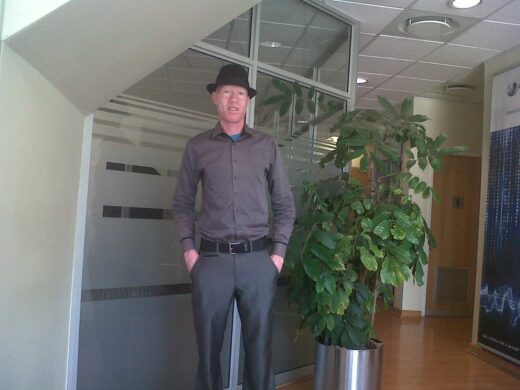
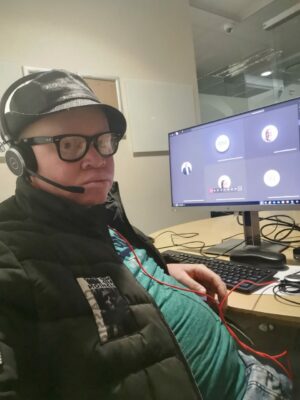
Vincent (38) hails from Gumbani village in Malamulele, but currently also lives and works in Johannesburg. He is an accounts clerk for a data management company. Vincent says albinism runs in their family. He has an older brother, younger sister, and cousins with the same condition. He says there are a lot of myths that the community still believes to be true. “It is unfortunate that people still believe that killing a person like me and using it for muti, brings them good luck or riches.
“Others believe that the condition is contagious, many people would not want to sit next to me in a taxi and it is heartbreaking. It is not true that we vanish when we die, I have buried people with albinism. We are normal people, like everyone, we just have different skin.” For more information, follow or contact organisations such as Albinism Advocacy for Africa, Albinism Society of South Africa and Africa Albinism Network.