Agricultural engineers gather to find solutions to global problems
Agricultural engineers from all over the country convened in Tzaneen last week to find solutions facing the agricultural sector at the 2022 Biennial Symposium and Continued Professional Development.
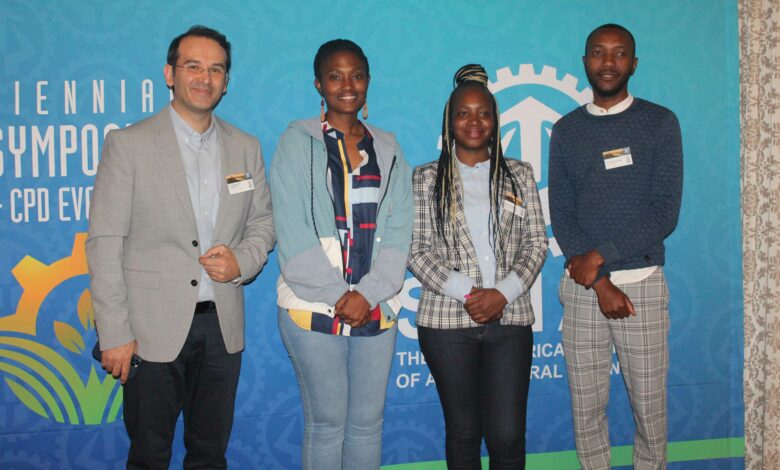
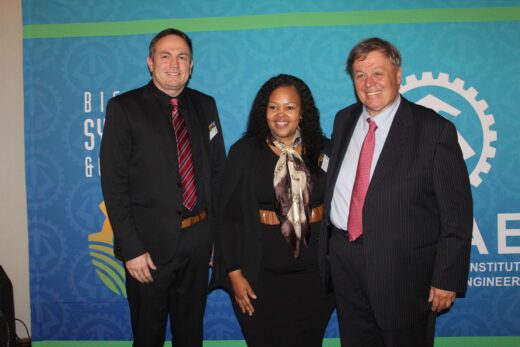
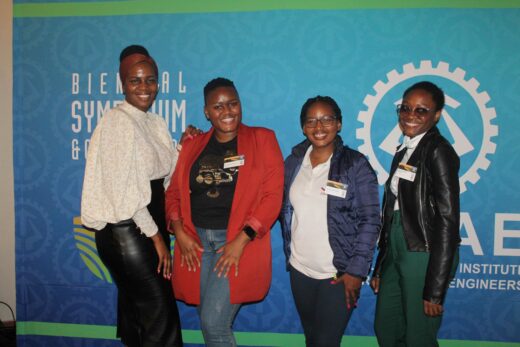
The event was hosted by the South African Institute for Agricultural Engineering (SAIAE) at Fairview Hotel, Spa and Golf Resort. The delegates presented and shared their inventions and projects during the symposium.
Masters’ student in Agricultural Mechanisms from the University of Venda, Prosper Mhlanga, said during his presentation that he believes that biogas renewable energy can be the solution to the load shedding crisis.
His solution to climate change is to use anaerobic co-digestion of food waste and cow dung to create biogas and simultaneously solve the problem of waste management at landfills.
“Instead of dumping food waste into landfills, we should utilise it in the production of biogas (renewable source) to generate heat or electricity.
Also read: Limpopo looks to agro-tourism as a recovery plan
“In this particular study my focus is to use excess food at households, restaurants or canteens to contribute to renewable energy.
“This method turns waste into a resource,” he said.
Dr Abdolhassein Naghizadeh, from the Department of Engineering in the University of the Free State (UFS), presented a project to produce green concrete.
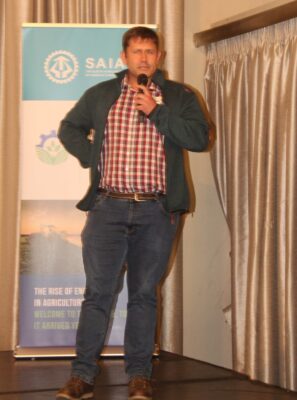
“The main reason of producing this type of concrete is because of the negative impact which cement has as a major contributor to global warming.
“South Africa is a major consumer of cement, we consume up to 15 million tons of cement annually and 11.5 billion tons of concrete is consumed globally,” he explained.
Naghizadeh and his UFS team are currently working on various projects including the formulation of green concrete based on locally agriculture waste and the formulation of geopolymer cement.
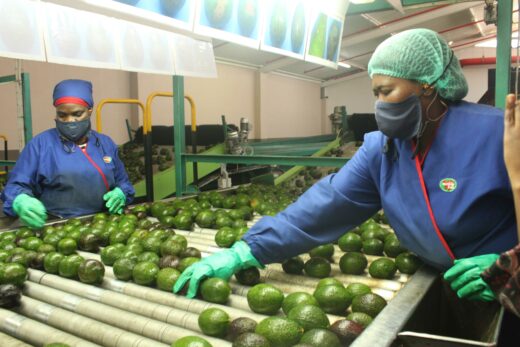
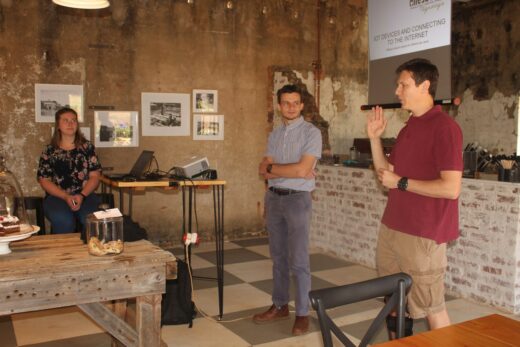
Some of the speakers included, industrial engineer, Ian van Brouwershaven from ZZ2, who showcased their avacado and tomato packhouse based in Mooketsi near Tzaneen.
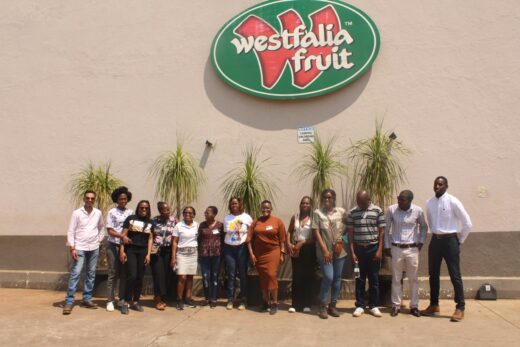
On the final day the delegates went different tours which included ZZ2 Packhouse, Westfalia Packhouse, Allesbeste Nursery and Kruger Berries.
For more on the presentations at the symposium, go to the institute’s website, saiae.co.za