Mopani Muni cracks down on spaza shop owners
Mopani Muni's environmental health practitioners remove litres of expired food from Phalaborwa shops, amid a nationwide crackdown on food poisoning.
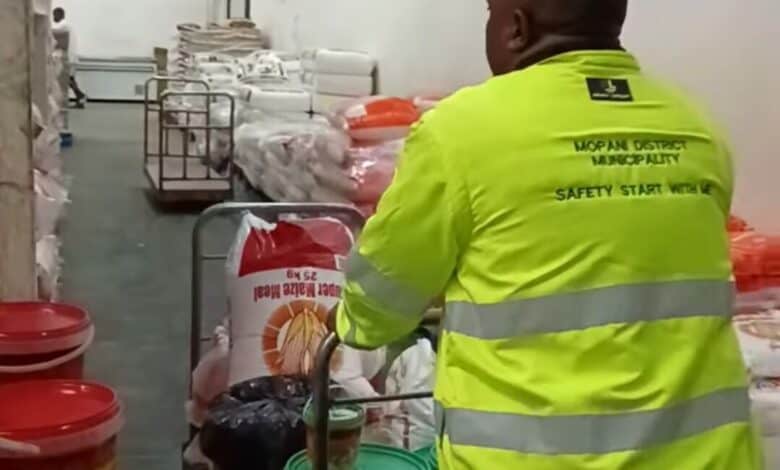
LIMPOPO – Mopani District Municipality’s (MDM) environmental health practitioners (EHP) conducted a blitz inspection of shops in Phalaborwa on Monday, November 11, resulting in the removal of 1 846kg and 413 litres of expired or condemned food from shelves. Concurrently, 1 600kg and 450 litres of similar items were disposed of in Maruleng.
This crackdown follows a spate of alleged food poisonings at schools nationwide, linked to expired items purchased from foreign-owned spaza shops.
In response, the Department of Education in Limpopo has suspended food sales by street vendors in and around schools, while environmental health inspectors work diligently to remove expired items from spaza shops.
“It is important for members of our communities to also remain vigilant when buying food, whether it is at spaza shops or known retail stores. They must check the expiry dates and avoid buying food items with damaged packaging. Our EHP remain on the ground, monitoring, but cannot be everywhere. That is why we urge members of the public to be vigilant,” said MDM spokesperson Odas Ngobeni.
Nandi Mongwe, a concerned parent, expressed fear over the alleged food poisoning incidents and the sale of expired food items from spaza shops. “We are living in fear that our children will be affected. We do not give our children money to buy from the spaza shops but sometimes they find their own means,” she said.
Mongwe suggested that non-compliant foreign spaza shop owners should close their shops saying, “They do not eat the food that they are selling.”
Ngobeni mentioned that other stakeholders, including the Department of Home Affairs, the police, the Limpopo Department of Economic Development, Environment and Tourism (Ledet), and local municipalities, have joined MDM in supporting their environmental health practitioners.
The impact of expired food was felt acutely in Giyani, where 75 learners from Dzumeri Primary School received treatment at Nkhensani Hospital on Thursday, November 14, after complaining of abdominal pains.
Limpopo Health MEC Dieketseng Mashego confirmed that most were discharged, with only three remaining in the hospital.
The issue gained national attention when President Cyril Ramaphosa addressed it on Friday, November 15, revealing that there have been 890 reported incidents of food-borne illnesses across all provinces since September 2024.
Gauteng and KwaZulu-Natal were the most affected, with Limpopo, Free State, and Mpumalanga also reporting numerous cases. Tragically, 22 children have died from food-borne illnesses in recent weeks.
Ramaphosa emphasised that the issue is not limited to spaza shops owned by foreign nationals, as such products are equally likely to be sold in shops owned by South Africans.
To combat hazardous pesticides and protect children, the cabinet has implemented critical interventions, including closing implicated spaza shops, registering food handling facilities within 21 days, and collaborating with law enforcement to investigate and prosecute offenders.