Greater Giyani includes traditional leaders in calendars
Greater Giyani Municipality has included traditional leaders in official calendars, marking a shift in policy and recognition for previously excluded leaders.
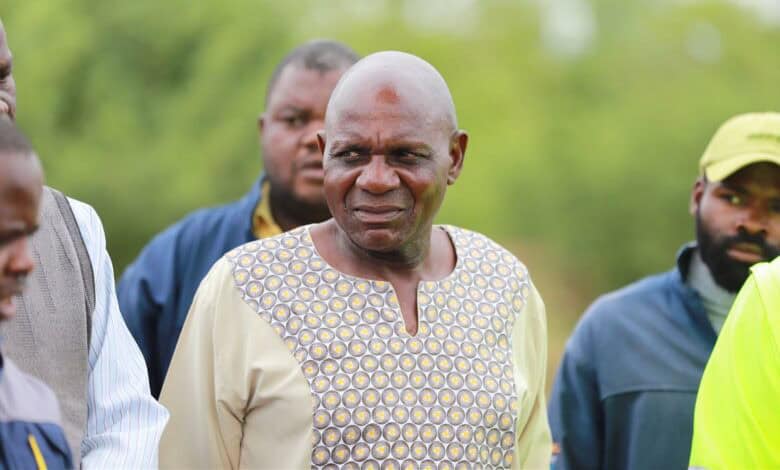
LIMPOPO – Traditional leaders, who for years were not included in local government, have now been included in the Greater Giyani’s calendars and diary posts.
The municipality has historically only recognised 10 traditional leaders, granting them exclusive access to important meetings, decision-making processes, and municipal resources. This left many other leaders feeling side-lined, ignored, and unable to advocate for the needs of their people.
The exclusion of these leaders sparked frustration and resentment, as they believed they were being unfairly disregarded due to outdated policies inherited from the apartheid era. Many of them argued that their historical legitimacy and role in governance were being undermined, preventing them from effectively representing their communities.
Their persistent efforts have finally borne fruit, as the Greater Giyani Municipality (GGM) has now included them in its official calendars and diary posts. This marks a significant shift in policy, as these leaders are now invited to key meetings and granted opportunities to participate in municipal decisions.
This development is widely regarded as a significant victory among traditional leaders who have long been denied official government recognition.
In response to this milestone, supporters of these leaders have taken to Facebook to express their joy and sense of achievement. Social media has been flooded with celebratory posts, with some supporters sharing captured pictures of their leaders in the new municipal diary posts.
When asked to clarify the recent inclusion of these traditional leaders in the municipality’s calendar, GGM spokesperson Steve Mavunda stated that their inclusion has no bearing on their chieftaincy status.
He explained that the municipality was simply rectifying an error made when these leaders were initially left out, rather than granting them any formal recognition as traditional authorities. “We added both Hosi Khakhala and Hosi Maswanganyi to the diary posts after acknowledging that omitting them in the first place was an innocent mistake on our part. Our decision has nothing to do with the challenges they face regarding their traditional leadership status. As for Hosi Siyandhani, we have always included him in the diary since his recognition by the premier,” said Mavunda.
When asked about this new development, Hosi Khakhala, one of the traditional leaders who was initially side-lined by the municipality, welcomed the initiative as a positive step. “This is a first step in the right direction because we were equals to begin with,” he said.
“I now receive a salary and benefits that were previously denied to us. I’m happy the government has finally come to its senses and acknowledged our existence and equality with other traditional leaders. It was unfair to us,” he added.