Seed-only diet leaves parrot fighting for life
Beyond Borders rescues starving parrots, warning that seed-only diets cause organ failure, malnutrition and long-term suffering.
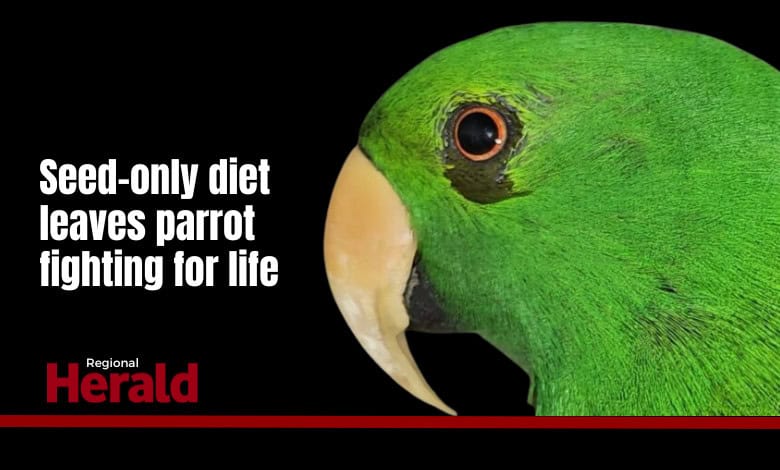
LIMPOPO – A recent rescue case has once again exposed the deadly consequences of feeding parrots a seed-only diet, after an emaciated Eclectus parrot was found in critical condition due to years of malnutrition and neglect.
When rescuers arrived, the bird was skeletal, severely weak, and showing alarming signs of illness: brittle feathers, an overgrown and dull beak, and fluids seeping from his eyes. He was rushed into a heated recovery chamber to stabilise his body temperature and given subcutaneous fluids for dehydration before being placed on emergency nutrition.
Azelle Grobler of Beyond Borders Animal Sanctuary told the Herald that veterinary assessments revealed that a diet consisting solely of sunflower seeds had caused serious health complications, including vitamin A deficiency, fatty liver disease, calcium imbalance, and overall organ stress.
His immune system had collapsed, leaving him highly vulnerable to infections. Experts warn that his recovery will take months, if not years, of ongoing monitoring and specialised care.
“This is one of the most common problems we deal with,” explained Grobler. “Seeds, especially sunflower seeds, are like junk food. Parrots love them, but they don’t provide the nutrition needed for survival. Unfortunately, many owners still believe seed mixes are ‘normal’ because that’s what pet shops sell.”
The Eclectus was not the only victim. Two Hahn’s macaws rescued alongside him were also suffering the effects of poor diets. One showed severe respiratory distress, struggling to breathe with visible tail-bobbing, a classic sign of organ strain after years of improper feeding.
According to Grobler, malnutrition is a “silent killer” in parrots. Because parrots instinctively hide illness, outward symptoms such as dull feathers, overgrown beaks, lethargy, or laboured breathing usually only appear once the bird is already critically ill.
Proper diets vary between species. Eclectus parrots, for example, require food very high in fresh fruits, vegetables, and leafy greens, with minimal pellets or processed products. Grobler stresses that prevention is always the best option.
“Owners must understand that diet is the foundation of a parrot’s health,” she said. “A proper diet can mean the difference between a vibrant, long life and years of silent suffering.”
Beyond Borders Animal Rescue is calling on parrot owners to seek guidance before it’s too late.
“Members of the public are welcome to contact us if they need assistance transitioning their parrots onto a healthy, balanced diet,” said Grobler. “We provide one-on-one support, practical tips, and step-by-step advice through our Facebook and WhatsApp platforms. Our goal is to ensure every parrot gets the chance at the long, healthy life they deserve.”
For more on Beyond Borders’ work, go to their Facebook page or call 083 273 6793.