Nature lovers record 180 species for iNaturalist
Nature lovers at Mahlathini Private Game Reserve logged 420 observations and 180 species, supporting global biodiversity through iNaturalist.
LIMPOPO – On Saturday morning, November 29, a team of 17 nature enthusiasts gathered at the Mahlathini Private Game Reserve, north of Phalaborwa, to contribute valuable animal and plant sightings to iNaturalist, one of the world’s largest citizen science platforms.
The BioBlitz was led by Dr Rion E. Lerm, an ecologist, research infrastructure technician, and iNaturalist ambassador, together with Eugene Troskie, a nature guide, managing director and conservation chairperson of the Phalaborwa Natural Heritage Foundation (PNHF) and the Mopani branch of the SA Hunters and Game Conservation organisation.
Their goal was simple yet impactful: to record as many animal and plant species as participants could find, using smartphone cameras or more advanced photographic equipment.
Morning survey reveals surprising biodiversity
The group set off at 07:00 for an initial morning walk around two dams and several rocky outcrops. Despite exploring an area dominated by Mopane trees, often referred to as a “green desert” because it appears less biodiverse, the team made impressive progress.
By midday, nearly 200 observations had been recorded, representing around 100 different animal and plant species discovered during the 4-5 hour stroll.
During the midday break, Lerm guided the group through the process of uploading their photographic observations using both the iNaturalist mobile app and the platform’s web interface.
He demonstrated how the app, available on Apple iOS and Android devices, and the website, accessible via computer or laptop, make it easy for citizen scientists to contribute to global biodiversity records.
Final results show 420 observations recorded
Later that evening, part of the team continued their efforts by conducting a night survey focusing on nocturnal animals and frogs. Their primary target was the ornate frog (Hildebrandtia ornata), a specific but elusive species that had been heard the previous evening during a rainfall event. Although the frog was not located, the species list continued to grow as more observations were made.
Participants were encouraged to upload any remaining photographs in the days that followed from the comfort of their homes.
By the end of the upload period, the BioBlitz had produced nearly 420 observations, representing 180 species of animals, plants, and fungi.
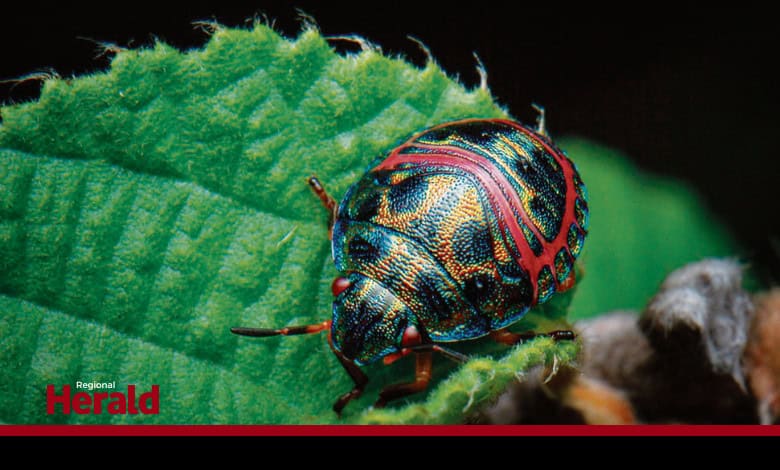
A remarkable 85 iNaturalist users assisted in identifying the submissions, which consisted largely of insects, spiders, plants, and amphibians.
Lerm expressed his appreciation to everyone who contributed to the success of the event, and confirmed that more BioBlitz events are planned for the near future.