Hoedspruit teen selected for SA Protea Fly Fishing Team
Hoedspruit fly fisherman Ludwick Esterhuizen, 17, has been selected for the SA Protea Fly Fishing Team after seven years of dedication to the sport.
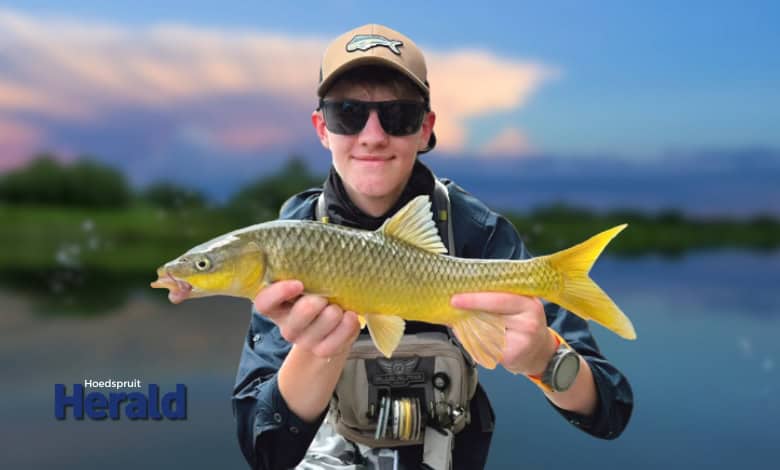
HOEDSPRUIT – At just 17 years old, Hoedspruit fly fisherman Ludwick Esterhuizen has earned selection to the South African Protea Fly Fishing Team, a milestone he describes as both overwhelming and deeply rewarding after seven years of dedication to the sport.
Esterhuizen, a Stanford Lake College learner, began fly fishing at the age of 10, drawn in by the complexity and skill required.
“What intrigued me most was that it’s not an easy sport,” he says. “You constantly have to think, adapt, and problem-solve. That’s what kept me hooked.”
When the official selection notice arrived, the reality of the achievement took time to sink in. “I was excited and relieved, but only then did I really understand the scale of what I had achieved.”
While he does not consider himself the strongest fisherman on the team, Esterhuizen believes his discipline, work ethic, and attitude played a major role in his selection. “I think they saw my organisational skills and the way I approach everything. I was able to keep the team progressing and working together. I may not be the best angler, but what I bring off the water is just as important.”
The mental challenge of competitive fly fishing, he explains, is often underestimated. “At the start of a session, especially session one of a competition, you get this feeling in your chest that’s hard to explain. The hardest part is catching that first fish, what we call the “icebreaker”. Before that happens, the pressure can be difficult to deal with.”
To manage this, he carefully plans each session.
“I run through a game plan in my head and tell myself to calm down and take it step by step.”
His preferred technique is Euro-nymphing, particularly slowing flies down to keep them in the strike zone. “Many anglers struggle to slow their drift, but it gives the fish more time to eat the fly and gives you an advantage.” Adaptability, he says, is key.
“There are general rules, like changing bead colour depending on conditions, but you shouldn’t rely on rules alone. You need to make small changes and find what works on the day. There is always a way to catch a fish in any situation.”
Preparation for the upcoming World Championship is already underway, with Esterhuizen focussing on wet fly techniques and casting in strong wind and difficult weather conditions. One of the biggest challenges has been fly tying, with each angler required to tie a total of 1 027 flies. “That has definitely been the hardest part so far,” he admits.
He credits mentors Luke Fairhead and Campbell McLean for sparking his interest in the sport and guiding him along the way, and says support from home has been invaluable.
Esterhuizen hopes to one day start his own fly-fishing business and possibly guide in the future. His advice to young anglers is simple: “If you enjoy something, dedicate yourself to it. Patience and perseverance are everything. Results come with time and hard work.”