African wild dogs in focus at Phalaborwa event
PNHF hosted a conservation evening in Phalaborwa focused on African wild dogs, featuring EWT insights on protection and restoration efforts.
PHALABORWA – Phalaborwa Natural Heritage Foundation (PNHF) hosted another insightful and well-attended conservation evening recently, drawing more than 70 attendees to the Coffee Lounge in Phalaborwa.
The event focused on the urgent conservation of African wild dogs and was presented by Cole du Plessis, project manager of the Carnivore Range Expansion Project at the Endangered Wildlife Trust (EWT).
Focus on endangered African wild dogs
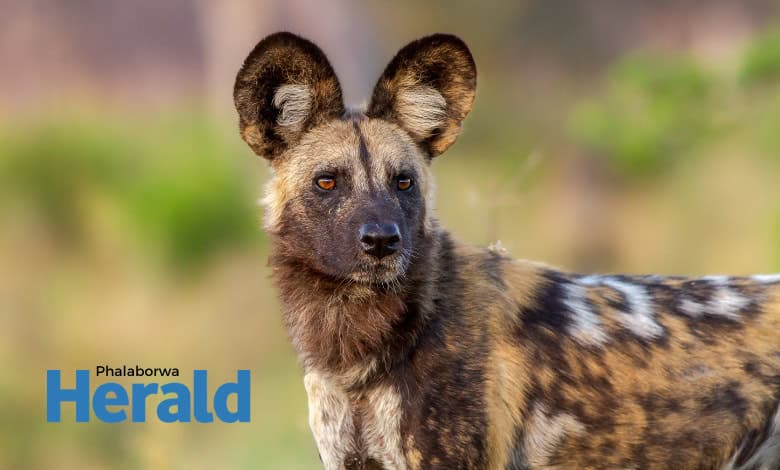
Du Plessis delivered an in-depth overview of ongoing restoration efforts aimed at protecting the endangered African wild dog, also known as painted wolves. He described the species as one of Africa’s most captivating predators, known for its strong social bonds and unique coat patterns.
Despite their ecological importance, wild dogs are facing a steady decline, with only about 700 breeding pairs remaining in the wild.
“Few sights in Africa are as captivating as a pack of African wild dogs on the move: coordinated, alert, and bound together by one of the strongest social structures in the animal kingdom,” said Du Plessis.
He noted that the species has disappeared from 25 of the 39 countries it once inhabited, now surviving in just 8% of its historical range.
Conservation progress and reintroduction efforts
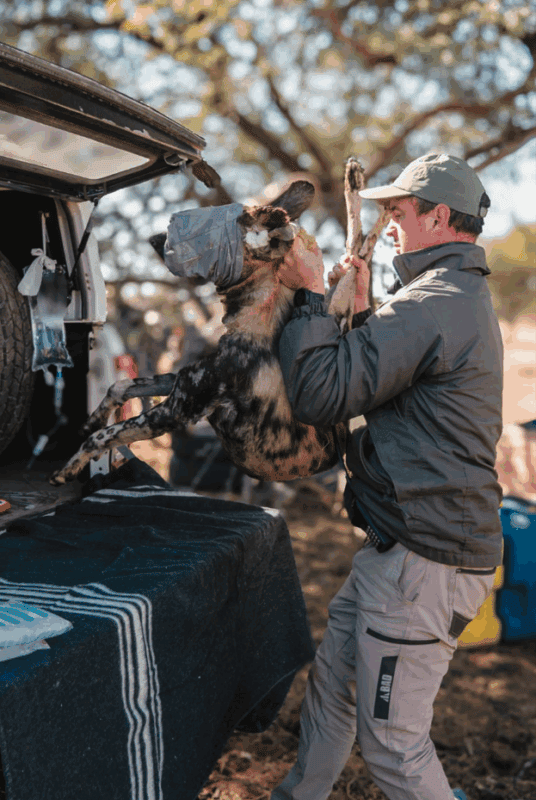
The presentation highlighted that African wild dogs are increasingly benefitting from reintroduction programmes, habitat expansion, and collaborative conservation strategies led by the EWT and its partners.
These efforts are yielding measurable success across southern Africa, where more than 1.5 million hectares of habitat have been secured or restored in countries including South Africa, Mozambique, Malawi, and Zambia.
As a result, over 350 wild dogs, forming 35 packs, have been successfully reintroduced into areas where they had previously disappeared.
Ongoing threats to survival
However, Du Plessis warned that significant challenges remain.
Habitat fragmentation and climate change continue to threaten wild dog populations by reducing the availability of safe, connected landscapes for hunting and breeding. While traditional threats such as poaching, disease, and persecution persist, the loss of habitat has emerged as a critical concern.
Du Plessis emphasised that long-term success depends on building resilience within wild dog populations. This includes ensuring safe and connected habitats, supporting breeding packs, and maintaining genetic diversity.
Community engagement and future talks
PNHF expressed its appreciation to Du Plessis and the EWT for their continued collaboration in hosting educational conservation events aimed at raising awareness and promoting environmental stewardship.
The conservation evenings are free to attend and take place on the second Wednesday of every month at the Coffee Lounge. The next session will feature Yoshan Moodley, who will present on the importance of genetics in conservation.
Follow the Phalaborwa Natural Heritage Foundation on Facebook or call 082 614 3688.