Limpopo N’wamanungu Dam in wrong place, panel finds
Findings show that a dam in Limpopo was built in an unsuitable location, which has impacted its water storage performance for decades.
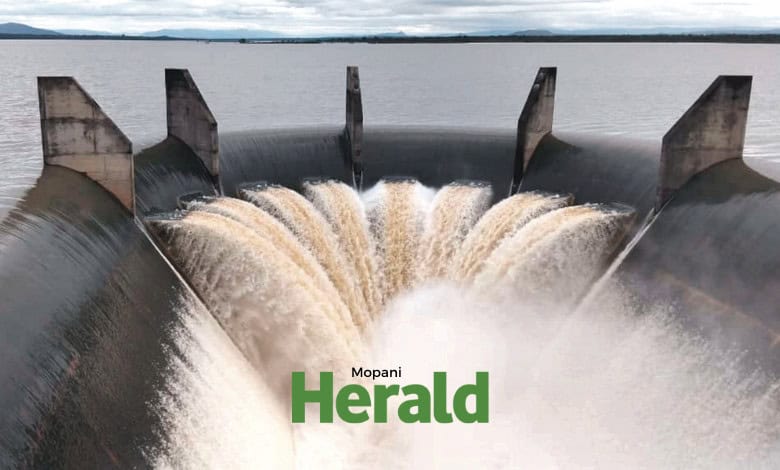
LIMPOPO – An independent panel appointed to investigate the persistent low water levels at N’wamanungu Dam has found that one of the main reasons the dam failed to fill up for many years was because it was built in the wrong location.
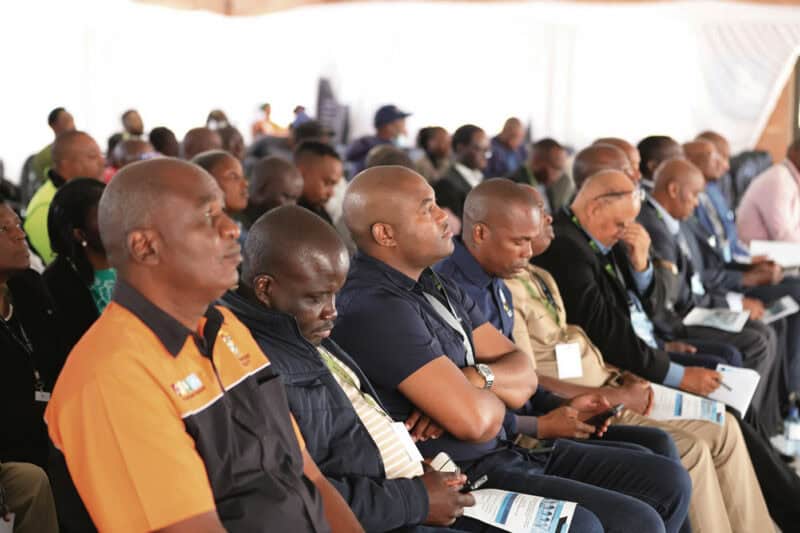
The findings are contained in a 347-page report handed over by the Minister of Water and Sanitation, Pemmy Majodina, to Limpopo acting premier Basikopo Makamu on Wednesday at Ndengeza village.
According to the report, the dam has remained largely empty for decades partly because it was overdesigned for the catchment area intended to supply it with water.
“This means it is too large for the catchment it was designed for, and secondly, it was built in a location that does not support its intended storage performance,” explained Majodina.
Concerns raised over upstream water use
The report further revealed concerns over water use upstream, where a group of farmers allegedly controls several dams within the catchment area without sufficient transparency regarding water usage, resulting in reduced downstream flow.
“Because of the allegations of unlawful water usage within the catchments, the department continues with its compliance enforcement. We are monitoring and taking action against those who are deemed or alleged to be using water unlawfully,” said the minister.
Government steps up water licensing and enforcement
She added that the department is also implementing a Validation and Verification of Water Users project to determine whether existing water users were lawfully allocated water in terms of the National Water Act.
“The initiative started about two years ago, and we are probably about 80 percent complete. Once completed, the project will help us move to the next phase of implementation, which is the compulsory licensing process, where everyone using water will be required to apply for a water licence,” she said.
Majodina said many current water users were still operating under old legislation rather than the current Water Act.
“We are also checking whether all the dams identified by the panel were lawfully authorised and whether they comply with the current Water Act,” she added.
Plans to augment catchment system and improve monitoring
The minister further indicated that the department was considering plans to augment the catchment system by making use of the Klein Letaba River, which flows more consistently.
“This will include introduction of a monitoring system to track water flow so that when there are claims that someone is using excessive amounts of water, we would already have the data available,” she said.
Farmers raise concerns over water licence costs
Meanwhile, some farmers raised concerns about the high cost associated with applying for water-use licences, describing it as a major obstacle for small-scale farmers.
“When we talk about water-use licences, everyone here is willing to apply, but the challenge is the cost associated with the required documents attached to the application.
“There is the issue of hydraulic report, which is too expensive for small farmers to afford, and this results in many of us abandoning the application process altogether and using water without a licence,” said Mkhacani Maluleke, secretary of the Giyani Farmers Association.