Giyani brothers run farm where nothing goes to waste
Deon Mthombeni bought one ewe with his NSFAS allowance in 2017. Today he and his brother Vutivi run a growing mixed farm in Giyani.
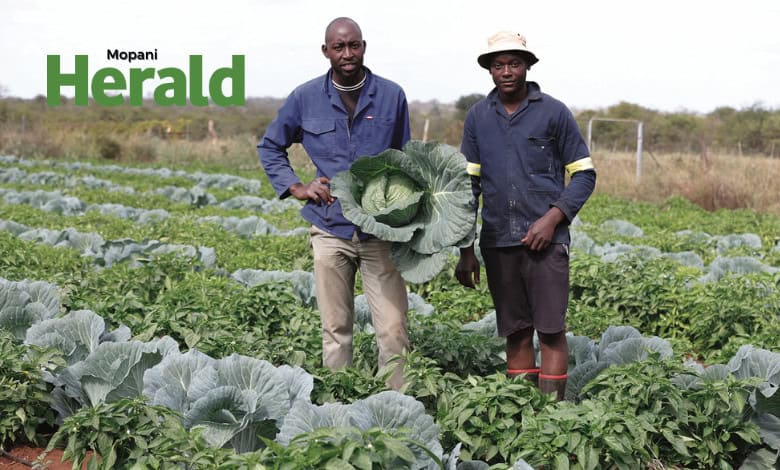
LIMPOPO – When Deon Mthombeni used his NSFAS allowance to buy a single ewe in 2017, he had no idea he was laying the foundation for a farming business.
A dream that started small
Today, alongside his 23-year-old brother Vutivi, the 31-year-old runs a self-sustaining mixed farm in Giyani, supplying vegetables to local and national markets while their livestock herd, born from that one animal, continues to grow.
Deon took over the family farmland while he was still a student, and after bringing the ewe home to mate with neighbours’ sheep, he used the money from selling the lambs to expand his flock gradually.
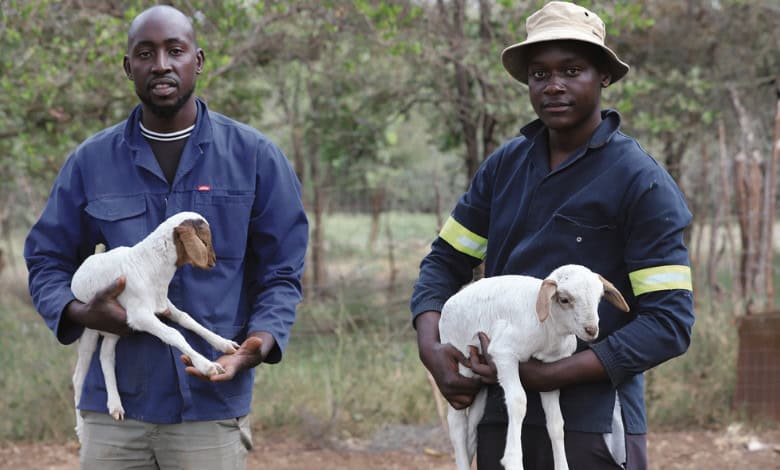
By the time he finished school and started working on the farm full-time in 2020, his sheep numbers had grown enough to allow him to buy goats, pigs, and two cows, all of which have since grown in number. However, the brothers keep pigs mostly for household consumption, while the rest of the animals are for sale.
Brothers with big plans
Their farming operation has since expanded beyond livestock. Deon and Vutivi now grow cabbage and green peppers, which they sell to both local and national markets, but they have their eyes on an even bigger opportunity. The brothers are keen to venture into coloured peppers, believing it could bring them good business since no other farmers in Giyani grow them.
However, they are being held back by a lack of resources, particularly shade nets, which are essential because peppers do not tolerate too much sunlight during the summer. “We need shade nets because we want to venture into coloured peppers, which we cannot do now because peppers are problematic during summer since they do not like too much sunlight,” Deon explained.
A farm where everything works together
What makes the Mthombeni brothers’ operation particularly remarkable is the way everything on the farm works together in a closed loop. They use manure from their livestock to fertilise their crops, while leftover plant material from the farm is used to feed their pigs. Whenever they need money to buy something for their crops, they sell one animal, whether a goat, sheep or cow, depending on the cost of what they need.
“Everything here complements each other,” Deon said.
“While we use our animals’ waste as manure, we also use leftovers from the farm to feed our pigs. On top of that, whenever we need money to buy something for our crops, we sell one animal. It could be a goat, sheep or cow, depending on the need or the cost of what we need to do on the farm.”
A story of patience and hard work
From a single ewe bought with student funds to a diverse and self-sustaining farming enterprise, the Mthombeni brothers’ story is a powerful example of how patience, hard work, and smart planning can turn a small start into a growing success.