Take a photo, track a cheetah in Greater Kruger
Visitors to Greater Kruger are being asked to submit cheetah photographs for a new AI-assisted census, aiming to establish a more reliable population baseline.
LIMPOPO – A new photographic census is set to give conservationists a clearer picture of the cheetah population across the Greater Kruger landscape, with members of the public being urged to help document sightings.
The Greater Kruger Cheetah Photographic Census 2026/27, a collaborative initiative between the Endangered Wildlife Trust (EWT) and Sanparks, officially runs from September 1 to August 31, 2027.
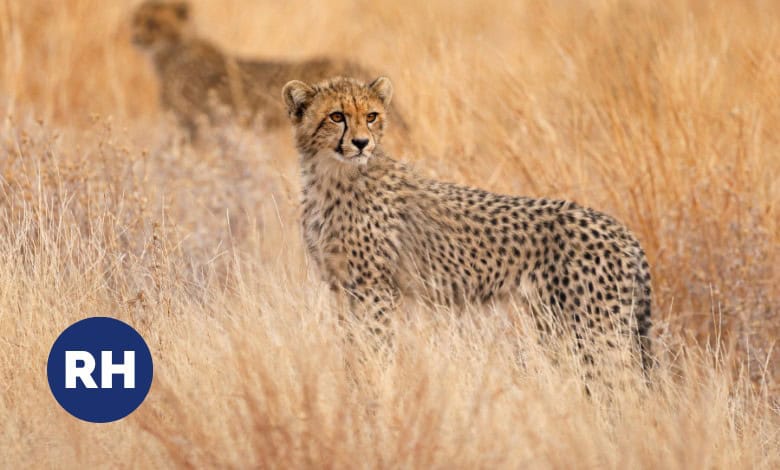
The project uses the distinctive coat patterns of individual cheetahs to identify animals and track them across the landscape.
Every sighting a scientific opportunity
According to Olivia Sievert, manager of the EWT’s Cheetah Conservation Project, photographs taken by tourists, guides, conservation staff and members of the public can provide valuable scientific information.
“Everyone loves seeing a cheetah in the wild, but behind every sighting lies an important scientific opportunity,” Sievert said.
“A simple photograph can help us identify an individual, track its movements, and, when combined with thousands of other records, build a picture of an entire population.”
Greater Kruger a key cheetah stronghold
The Greater Kruger landscape forms part of the Greater Limpopo Transfrontier Conservation Area, a vast conservation landscape spanning almost 100 000 square kilometres across South Africa, Mozambique and Zimbabwe.
The area is considered an important stronghold for cheetahs in southern Africa, with the Greater Kruger containing approximately 47% of South Africa’s protected cheetah habitat.
However, the most recent census, conducted in 2021 and 2022, estimated only about 116 cheetahs in Kruger National Park.
Researchers identified 86 individual cheetahs from 151 suitable photographic submissions.
Sievert said the result should not automatically be interpreted as evidence that the population had declined.
The 2021/22 census received fewer submissions, partly because tourism was affected by the Covid-19 pandemic, while changes in methodology, also influenced the results.
AI technology to assist new count
The new census aims to establish a more reliable baseline for the Greater Kruger cheetah population by combining new photographs with historical images, camera-trap photographs, ranger records and other monitoring data.
AI-assisted coat-pattern recognition will be used to identify individual animals, with manual verification where required.
The information gathered could help conservationists determine how many cheetahs occur across the landscape, where they are found, how they move, how many cubs survive and which threats are affecting the population.
Previous photographic monitoring has already demonstrated the extensive movements of some cheetahs.
During the 2021/22 census, one individual was recorded with a potential range of more than 810 square kilometres and travelled more than 90km between sightings.
How the public can contribute
Members of the public visiting the Greater Kruger landscape during the census period are encouraged to photograph any cheetahs they encounter from a safe and respectful distance.
Where possible, photographs showing both sides of the animal are particularly useful.
Submissions should include the photographs, date and approximate location of the sighting, GPS coordinates or nearest landmark, the number of cheetahs observed and any additional observations.
“Every photograph adds another piece to the puzzle,” Sievert said.
“Your next cheetah sighting could help shape the future of cheetah conservation in Greater Kruger. Every spot counts.”
Members of the public can submit sightings via the EWT’s census page.
Tips for photographing cheetahs
Clear, side-on images are the most useful for identifying individual cheetahs by their spot patterns. Where possible, try to capture:
- A full-body shot of the cheetah’s left side
- A full-body shot of its right side
- A separate photograph of each individual if there’s more than one cheetah present
- One photograph showing the whole group together
Not every angle will always be possible, and that’s fine – any photograph safely obtained is a useful contribution to the census.