From Giyani village to the wild: A field ranger’s journey
Junior Ngomani from Giyani never planned to study conservation. Today, she is a SANParks field ranger protecting South Africa's wildlife.
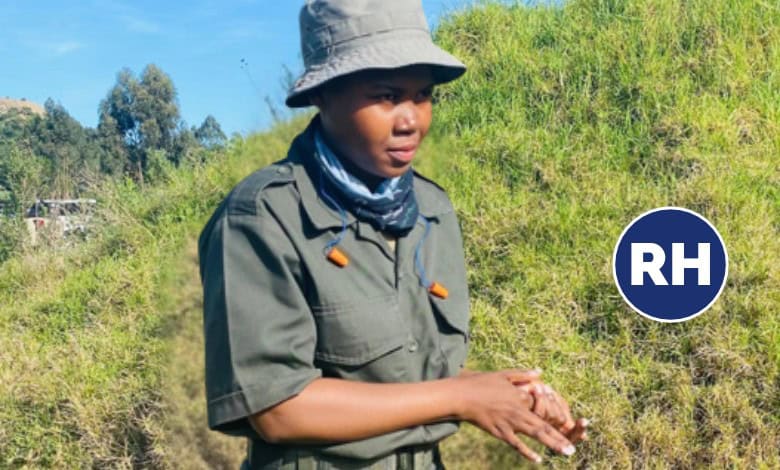
LIMPOPO – Growing up in Daniel Rababalela village outside Giyani, Junior Ngomani never imagined that she would one day build a career protecting South Africa’s wildlife and natural heritage.
Today, Ngomani is a SANParks field ranger, where she contributes to wildlife protection, environmental monitoring and conservation efforts.
Her conservation journey was unexpected, as she initially knew little about the profession and had never considered it a career option.
“Conservation was not my first choice of study. It just happened to be one of the courses I got accepted for, and for the sake of being in varsity, I went on to register,” she said.
An unexpected passion
However, university excursions to national parks changed her perspective. Seeing wildlife in their natural habitats sparked an interest that eventually developed into a passion.
One experience that remains close to her heart was encountering an elephant at close range during an excursion.
“I remember thinking how amazing it was to see such a magnificent animal in its natural environment,” she recalled.
Life as a field ranger
After completing her studies, Ngomani joined SANParks, where she began applying her knowledge through practical conservation work.
Her responsibilities include:
- Conducting field patrols
- Monitoring the environment
- Supporting the management of protected areas
Although rewarding, the profession comes with challenges, including physically demanding patrols across difficult terrain.
She explained that the work requires discipline, teamwork, resilience and constant awareness of one’s surroundings.
As a woman working in a traditionally male-dominated field, Ngomani has also experienced situations where women are excluded from certain duties because of their gender.
“Sometimes there are instances where, as a woman, you become excluded from doing certain duties mainly because you are a woman. But what is important in this industry is understanding that you belong here just as much as anyone else,” she said.
Despite these challenges, she is encouraged by the growing recognition of women in conservation, including opportunities to occupy leadership positions.
Advice to young girls from rural communities
Ngomani believes young girls from rural communities should never allow their backgrounds or limited exposure to opportunities to determine their futures.
She encouraged them to prioritise education, explore unfamiliar career paths and remain open to unexpected opportunities.
Threats facing conservation
Beyond her personal journey, she highlighted poaching, habitat loss, human-wildlife conflict and climate change as major threats facing conservation.
She stressed that protecting wildlife requires cooperation between conservation organisations and surrounding communities.
“Conservation cannot succeed through enforcement alone. It also requires education, cooperation and meaningful engagement with communities,” she said.
“Sometimes, the opportunity that changes your life is one you never expected,” she said.