Mopani farmers raise water and sewage concerns
Agri Letaba and the Letaba Water Users Association urged action on sewage spills, water management challenges and ageing infrastructure in Mopani.
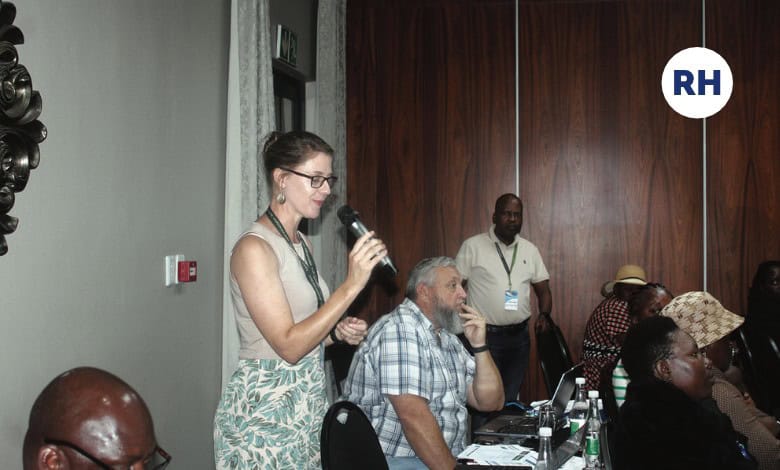
LIMPOPO – Water usage rights, ongoing sewage spills and the impact of water challenges on farming communities came under the spotlight during the Department of Water and Sanitation’s (DWS) review of the Strategic Framework for Water and Sanitation Services on Wednesday, October 21.
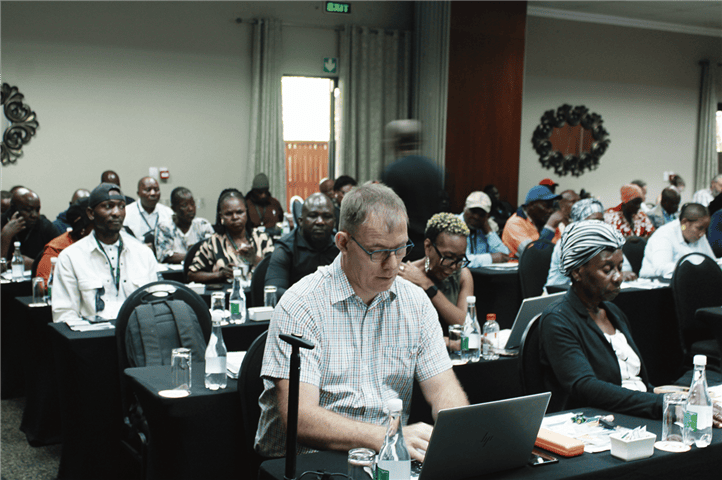
The meeting focused on improving water and sanitation services in the Mopani district’s local municipalities of Greater Tzaneen, Greater Letaba, Greater Giyani, Ba-Phalaborwa and Maruleng.
Farmers voice concerns
Naomi Excell, CEO of Agri Letaba highlighted the impact of water-related challenges on farming activities. She also raised concerns about ongoing sewage spills and repeated attempts to report the problems to the relevant authorities.
“We have sent emails numerous times raising these concerns, particularly regarding sewage spills, but the problems continue.
“How many times must we report the same issues before something is done?” Excell asked.
She also highlighted the potential impact of sewage pollution on the environment, water resources and agricultural activities, stressing the importance of addressing reported problems.
Jacques Kruger of Letaba Water Users Association raised concerns about water usage and the difficulties faced by farmers who depend on reliable water resources for agricultural production. “Water is essential for farming operations, and we need clarity on how water usage is managed and how the challenges affecting farmers will be addressed,” Kruger said.
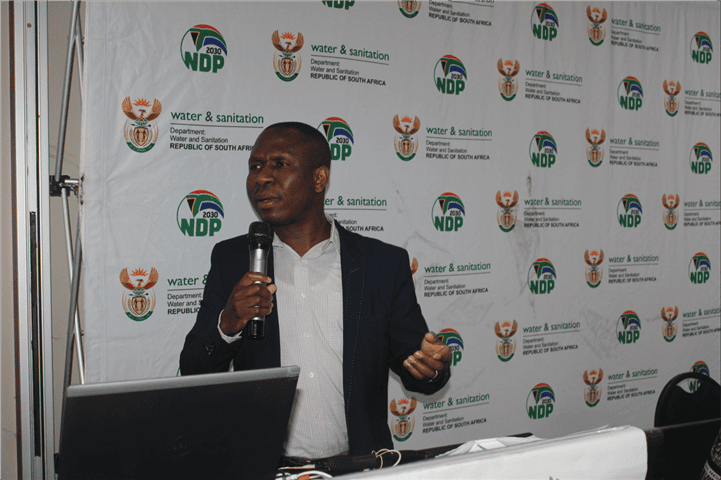
DWS representatives Solly Selowa, Michael Maluleke, Ceaser Masuku and André Van Der Walt attended the meeting.
Infrastructure challenges remain
Mopani District Municipality, as the designated water services authority, is responsible for ensuring the provision of water and sanitation services across its jurisdiction.
However, ageing infrastructure, financial constraints, wastewater management and maintenance challenges continue to place pressure on service delivery. The meeting also considered the roles of provincial government, local municipalities and water boards in addressing challenges.