MAROPENG: Say hello to ‘Neo’ – Scientists discover new chamber holding new hominids
Professor Lee Berger, lead archaeologist of the find, has officially announced Homo naledi’s age to be between 236 000-335 000 years old as well the discovery of new hominid remains within a new second chamber 150m away from Dinaledi Chamber at the Cradle of Humankind.
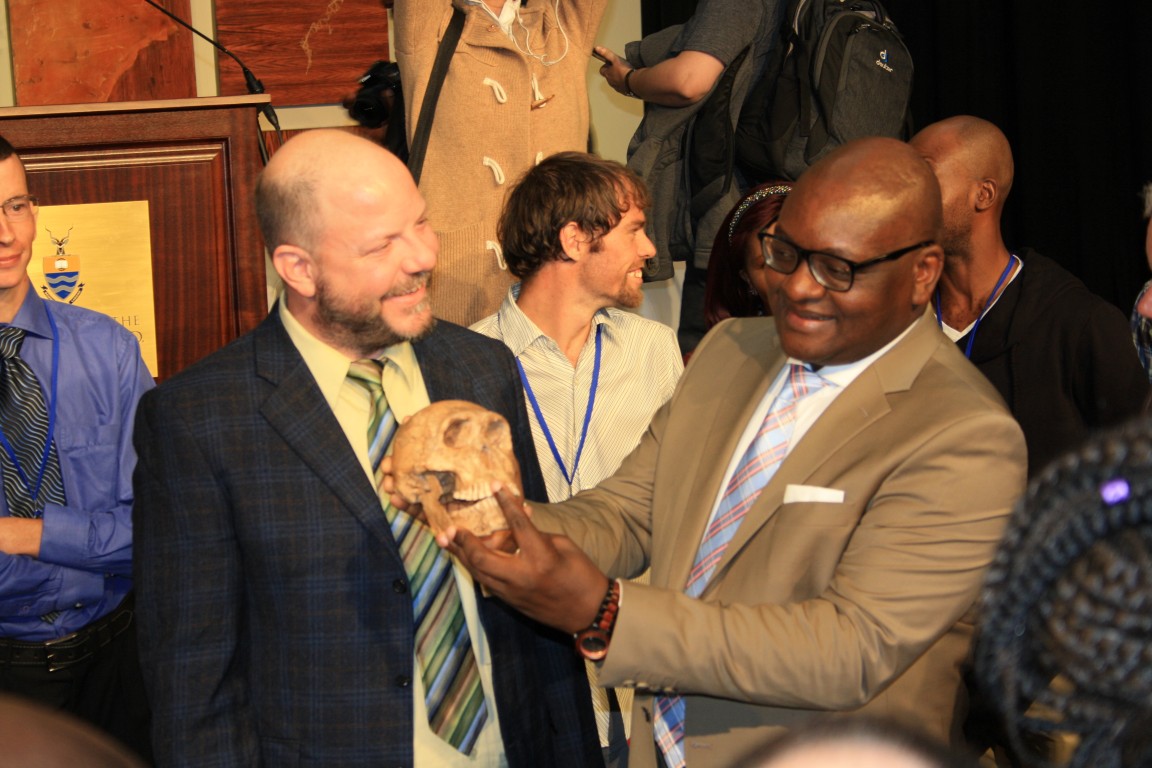
The announcement comes one-and-a-half-years after the initial Homo Naledi discovery announcement in September 2015, which was extremely significant at the time, despite the fact that Homo naledi’s age was never revealed.
Watch the video:
Streamed live on Sep 10, 2015: A new fossil discovery in the Cradle of Humankind, 50 kilometres from Johannesburg, has deepened the mystery around the origins of humankind.
Ever since, Berger and his team have been under increasing pressure to prove that what they’d found wasn’t simply a primitive form of Homo erectus and to also confirm Homo naledi’s age.
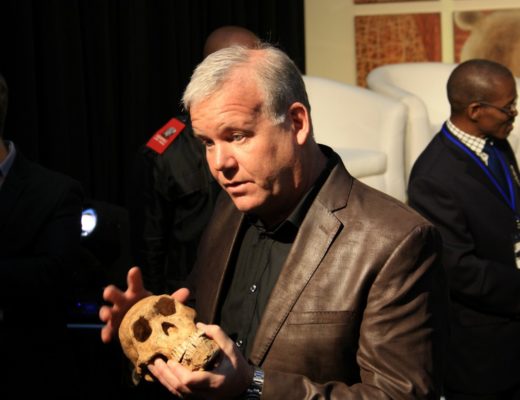
“Getting primary context when it comes to raging fossils is extremely difficult,” said Professor Paul Dirks of James Cook University, Australia, who headed the team of researchers who were tasked with dating the Homo naledi remains.
|
|
“We have to make a lot of assumptions as to what the cave looked like thousands of years ago in order to date the remains by using the sediment,” Dirks further added.
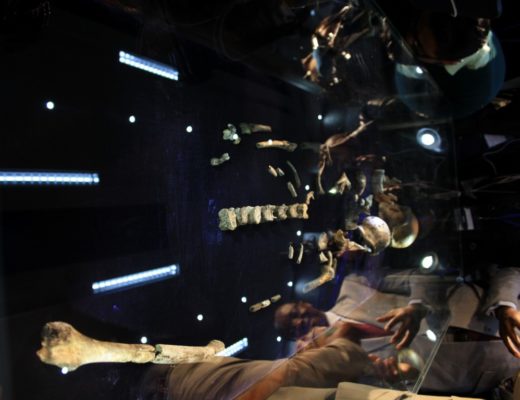
“We were, however, initially able to date the remains to approximately 236 000-415 000 years ago, but of course that’s too broad an age range. So after further testing and research we were able to narrow the range to 236 000-335 000 years old.”
This age means that Homo naledi and other, more primitive hominids might have been around at the same time as Homo sapiens which could have even led to interaction between the species.
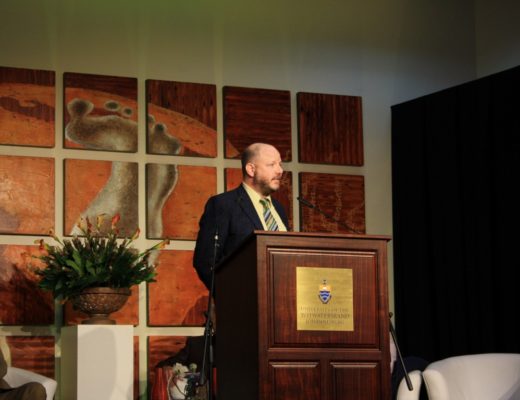
“To think that Homo sapiens might have interacted with other, more primitive hominids is like something out of an old Star Trek episode,” Berger said.
Along with the dating of Homo naledi’s remains, the team discovered a new chamber 150m away, that they’ve named the Lesedi Chamber where they found 131 more hominid specimens, including the remains of two adult hominids and one juvenile hominid.
The new hominid has been named Neo, meaning ‘gift’ in the Sesotho language.
|
Neo’s remains contained an incredibly well-preserved skull, which is a blessing to the palaeontology industry as it gives them the opportunity to better understand what Homo naledi could have looked like all those years ago.
“Neo gives us the chance to have a look into the face of the Homo naledi species,” said Professor John Hawks an associate professor of the University of Madison-Michigan who played a major role in the discovery.
This new discovery strengthens the hypothesis that Homo naledi might have been intelligent enough to bury their loved ones below ground, but still doesn’t confirm that they did or did not. It also provides the possibility that they may have frequently visited the underground caves but definitely didn’t reside there.
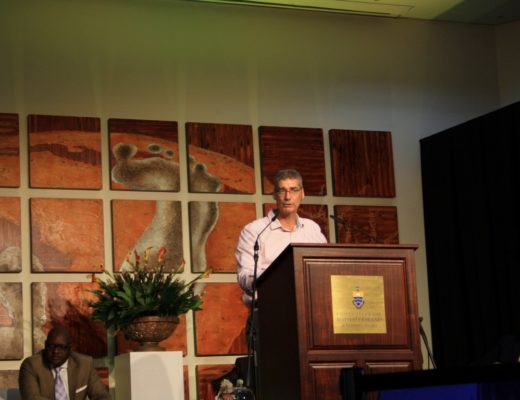
When asked if they had given their all to find what they have found, Berger said the following; “We would’ve thrown the kitchen sink at it, but it wouldn’t fit in the chamber.”
Berger said that he feels extremely privileged to be in this line of work for 28 years now, where he’s able to make such ground-breaking discoveries over the years and expose to the world and the public just where all of humanity has come from.
To end off, Berger added: “We have had to leave a lot of remains and specimens down there because we wish to leave it for future archaeologists who might have better technology to extract those remains that are extremely delicate and will be damaged if removed now.”