
This week in Middelburg’s history
King Dinuzulu kaCetshwayo’s final exile and death near Middelburg – October 18, 1913
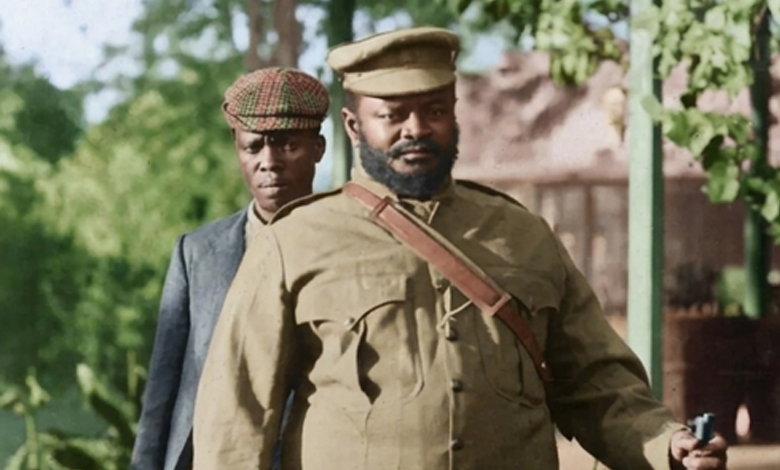
King Dinuzulu kaCetshwayo, king of the Zulu nation, died at his enforced residence on a farm near Middelburg on October 18, 1913. His death brought to a close a life shaped by the destruction of the independent Zulu kingdom, territorial dispossession, civil conflict, colonial trials, imprisonment, and exile.
His final three years form a particularly significant chapter in Middelburg’s history. Released from prison but forbidden to return to Zululand, Dinuzulu lived under government supervision at kwaThengisangaye near the town. There he maintained a royal household, received notable visitors, remained politically influential, endured worsening illness, and ultimately died far from his ancestral home.
Dinuzulu inherits fractured Zulu kingdom
King Dinuzulu kaCetshwayo (c. 1868–October 18, 1913) was king of the Zulu nation from 1884 until his death. The eldest son of King Cetshwayo kaMpande and kaMsweli, he inherited not a unified kingdom, but a fractured political order created after the Anglo-Zulu War of 1879. His life consequently became inseparable from the struggle to preserve Zulu authority amid territorial partition, settler expansion, and increasingly intrusive British colonial government.
Colonial partition divides Zululand
Dinuzulu was born in Zululand around 1868. At approximately 11 years of age, he accompanied his uncle Ndabuko to the 1879 conference at Ulundi, where Sir Garnet Wolseley announced the British settlement following the defeat of the Zulu kingdom. The settlement divided Zululand among appointed chiefs, weakened the institutions that had sustained the kingdom, and placed the young prince under the authority of Zibhebhu kaMaphitha, a powerful rival of the royal house.
King Cetshwayo was later permitted to return to part of Zululand, but his restoration did not heal the divisions created by the partition. After Cetshwayo died in 1884, the 16-year-old Dinuzulu became the principal symbol of dynastic continuity and hopes for renewed Zulu unity.
Boer volunteers back teenage king
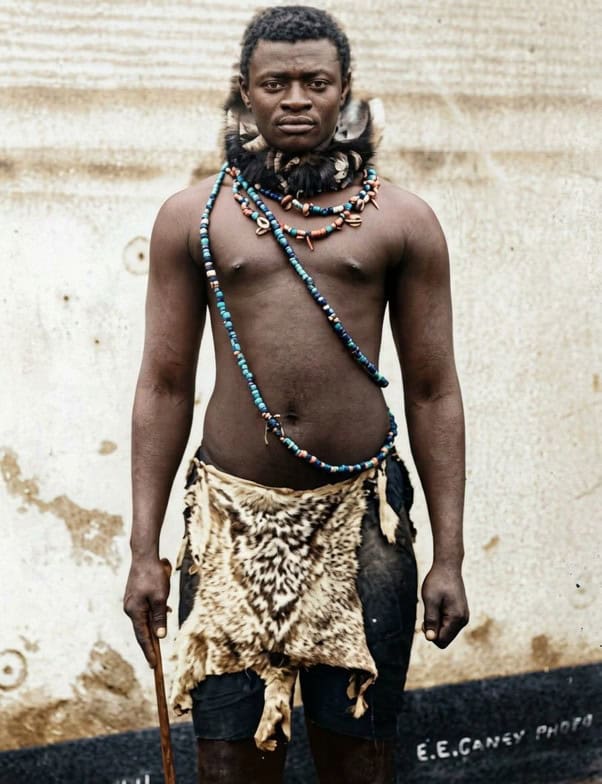
Dinuzulu’s accession occurred amid civil conflict. Elders of the royalist Usuthu faction rallied around the 16-year-old prince as Cetshwayo’s designated heir, while younger Usuthu leaders negotiated with Boer leaders from districts bordering Zululand. In exchange for military and political support, they offered land, a painful concession made under severe pressure. About 800 men responded as ‘Dinuzulu’s Volunteers’.
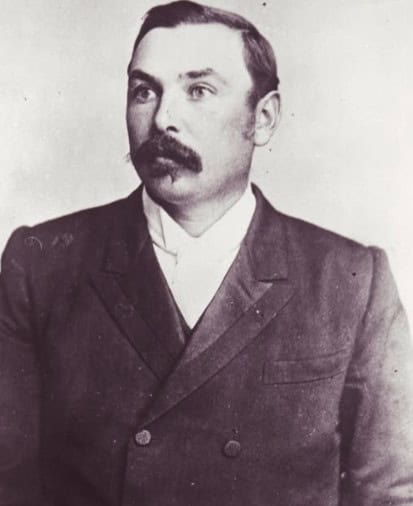
On May 22, 1884, at Zalflaager, they proclaimed him king. Louis Botha, then in his early 20s, spoke isiZulu and served as aide-de-camp to the Comité van Bestuur, taking an important role in organising Dinuzulu’s coronation. The two young men subsequently fought on the same side against Zibhebhu and the Mandlakazi at the Battle of Tshaneni (also known as the Battle of Ghost Mountain) in June 1884.
The victory came at a severe price. Agreements concluded in May and in August 1884 awarded the Boer volunteers an immense tract of land. Botha was later appointed by the authorities at Vryheid as one of the surveyors of the territory on which Boer farms would be established, bringing him into close contact with Dinuzulu and other Zulu leaders. The initial surveys extended from Mpumalanga towards the coast, leaving too little territory for the Zulu population and alarming British officials.
The Nieuwe Republiek (New Republic) arose around Vryheid in August 1884, with Lucas Meyer as its president. It existed until 1888, when it was incorporated into the South African Republic as the Vryheid district. Dinuzulu’s military success thus further reduced the territory under his control and intensified the struggle over land.
British Annexation, Resistance, and Exile
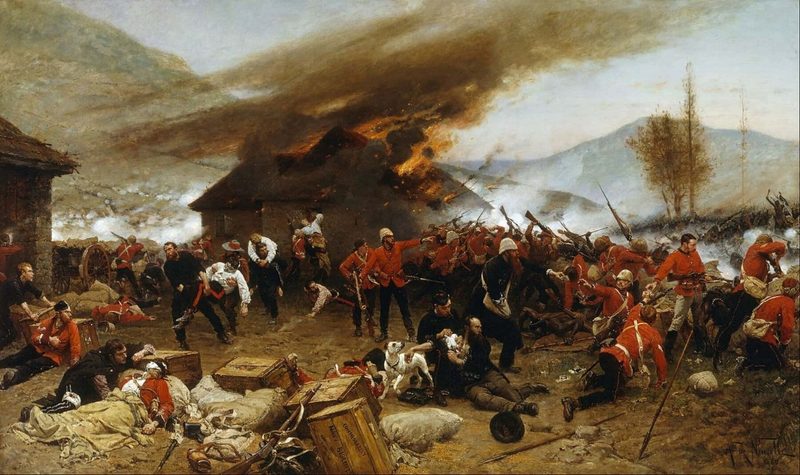
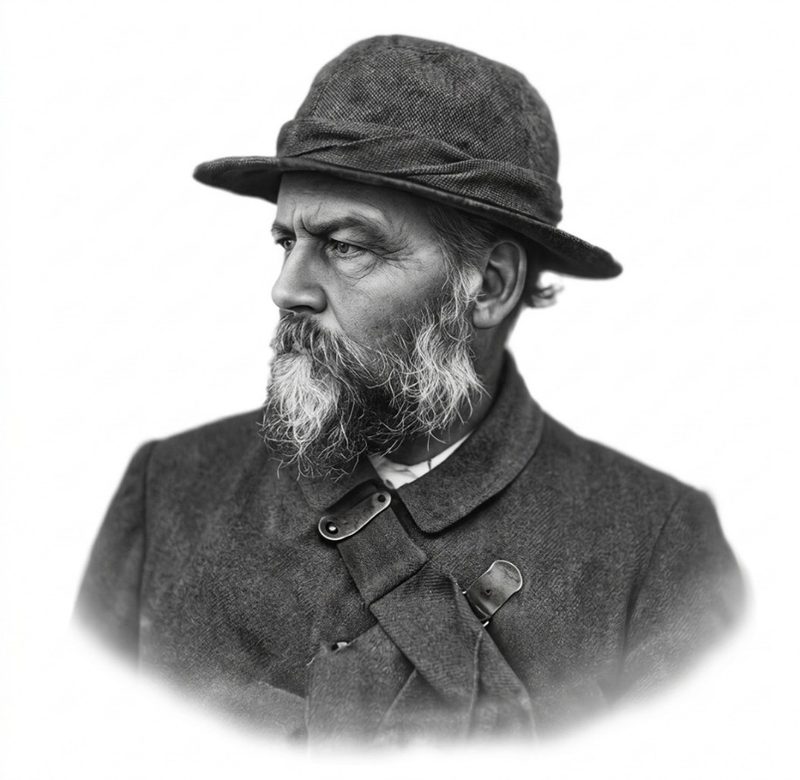
In 1887, Britain annexed Zululand and placed it under the jurisdiction of the Natal government and its system of native administration. Dinuzulu continued to regard his royal authority as legitimate, bringing him into conflict with colonial officials and magistrates. When the British resident Melmoth Osborn facilitated Zibhebhu’s return, mobilisation against the rival chief prompted warrants for the arrest of Dinuzulu, Ndabuko, and other leaders. The resulting resistance was suppressed within months.
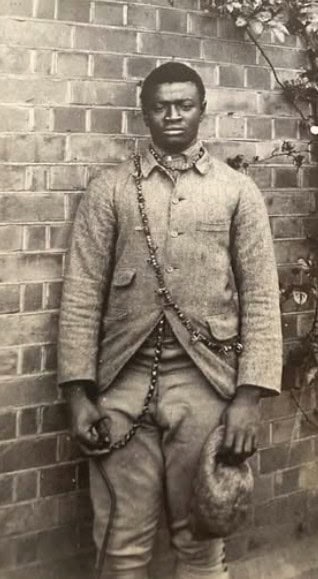
During this period, a future Middelburg resident, Oliver John ‘Jack’ Hindon (1874–1919), served as a drummer boy with the Royal Scots stationed in Zululand. After deserting his garrison because of ill-treatment, he walked from Utrecht to Marthinus-Wesselstroom (later renamed Wakkerstroom). He eventually settled in Middelburg and became well known as Captain Jack Hindon during the Anglo-Boer War.
Dinuzulu was tried and convicted of treason and public violence. In 1889, he was transported to Saint Helena to serve a 10-year sentence. Accompanied by family members and his uncles (including Ndabuko and Tshingana), as well as attendants and interpreters, he arrived at Jamestown on February 25, 1890.
During his exile, his household expanded; his son Solomon kaDinuzulu was born on the island in February 1891; and Dinuzulu learnt to read and write English and studied music. He lived successively at Rosemary Hall in St Paul’s, Maldivia above Jamestown, and Francis Plain House, interacting with the island community while remaining a political prisoner. The party left Saint Helena on December 24, 1897.
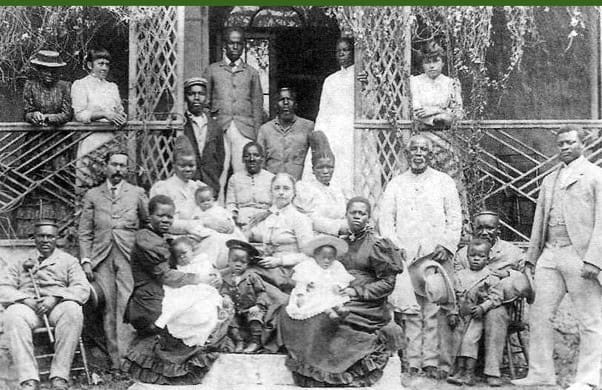
After Zululand was incorporated into Natal, Dinuzulu was released. He returned to Eshowe on December 13, 1897, and, in 1898, was installed by the colonial government as a salaried district chief (induna). This arrangement sharply reduced his formal status, but it did not extinguish his authority among many Zulu people. His influence grew after he left Eshowe for the Usuthu area, the hereditary centre of the royal house.
King navigates Anglo-Boer War
During the South African War of 1899–1902, both Boer and British authorities sought to keep Zulu forces out of what they characterised as a ‘white man’s war’. Dinuzulu pursued a careful diplomatic course, maintaining restraint among his followers while winning respect from Boer leaders, including Louis Botha, and from British military officers who acknowledged his royal standing.
His growing popularity, extending from Zululand into Natal, nevertheless deepened the Natal settler government’s suspicion of him. Settler propaganda insulted him personally and alleged that he intended to restore the Zulu monarchy. Dinuzulu occupied a difficult position: his popularity created expectations among his people, yet his official status as a government-appointed induna and local traditional leader gave him little authority to meet those expectations.
Natal suppresses Bambatha Rebellion
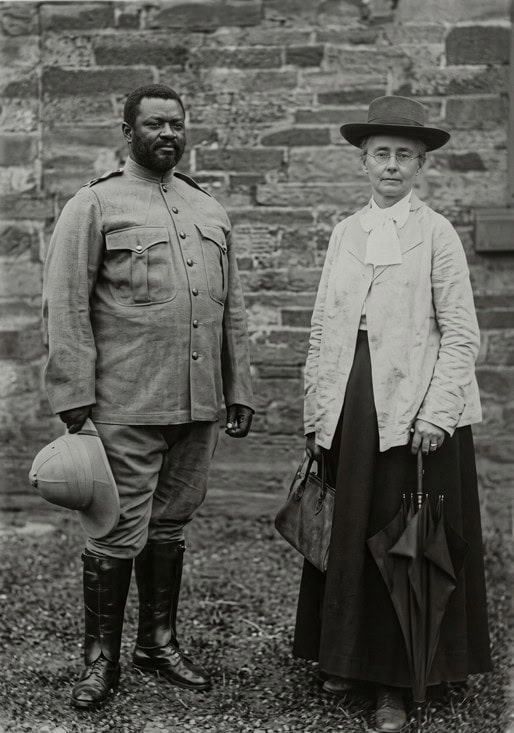
The Bambatha Rebellion of 1906 arose amid deep resentment of British rule in Natal. A new £1 poll tax (head tax) on adult men, added to existing hut and dog taxes, intensified economic pressure and was widely understood as an attempt to push African men into wage labour on settler farms and mines. Chief Bhambatha kaMancinza of the AmaZondi became the best-known leader of the uprising, which centred on the Mpanza Valley, Nkandla Forest, and Mome Gorge.
The rebels, many armed chiefly with spears and shields, faced colonial troops equipped with rifles, machine guns, and artillery. The decisive defeat occurred at Mome Gorge on June 10, 1906, where Bhambatha was reportedly killed. The rebellion was suppressed with exceptional severity: estimates commonly place African deaths in the thousands, while many others were imprisoned or flogged, compared to fewer than 40 colonial military casualties. The uprising is often regarded as the final major armed indigenous resistance to colonial rule in South Africa before the Union of South Africa was formed in 1910.
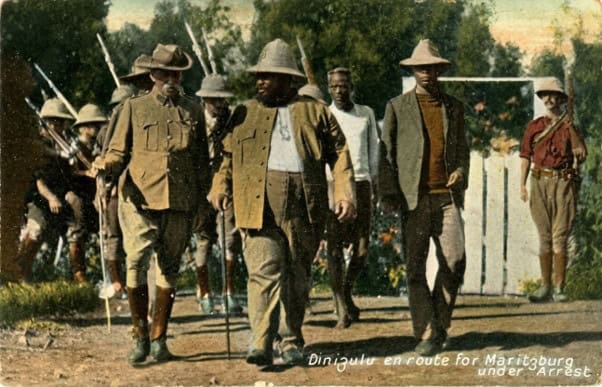
Dinuzulu’s connection to the rebellion remains historically contested. He attempted to maintain a neutral position, although members of Bhambatha’s family received shelter at his royal court. The Natal government became convinced that he was the hidden power behind the uprising and arrested him despite objections from the British government and the Transvaal administration led by Louis Botha.
Dinuzulu consistently maintained his innocence. His treason trial took place in the Town Hall at Greytown. He was acquitted of most major charges but convicted on lesser charges, including harbouring rebels. In 1909, he was sentenced to four years’ imprisonment and a fine. He served his sentence in Pietermaritzburg because the British authorities would not permit Natal to send him to Saint Helena again.
In the aftermath of the trial, Dinuzulu wrote to his defence lawyer, William P. Schreiner (a former prime minister of the Cape Colony): “Nkosi, what is grievous is to be killed and yet alive. To die outright is nothing, for then one rests and does not feel trouble.”
These sorrowful words convey the personal cost of his prosecution and imprisonment and set the tone for the final years of the deposed king’s life.
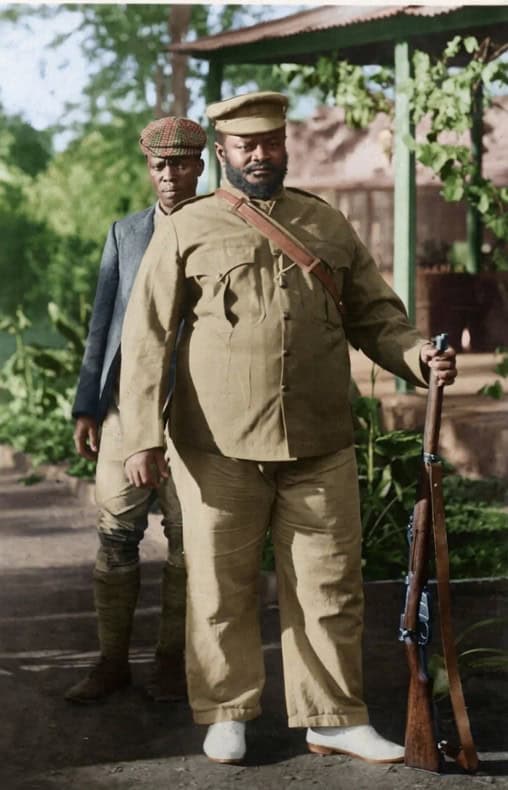
Botha secures release into Middelburg exile
As the Union of South Africa approached its inauguration, major political parties and the British government agreed that General Louis Botha should lead the new administration until elections could be held. In mid-May 1910, Botha, as prime minister-designate, sent his trusted associate and former comrade, Commandant JC Krogh, to Pietermaritzburg with a firm demand that Dinuzulu be freed as soon as the Union government took office. Natal politicians were divided, but some accepted that release by the new Union government would save face if Dinuzulu never returned to Natal or Zululand.
A few days before the end of May, Dinuzulu was transferred from Pietermaritzburg Prison to Newcastle, near the Transvaal border. Publicly, the move was attributed to his health. At the end of the month, the permanent secretary in the Natal Colonial Office defended the Natal government’s treatment of Dinuzulu and warned the Union government not to trust him, but Pretoria disregarded the warning.
The Union of South Africa was established on Sunday, May 31, 1910. After Governor-General Lord Gladstone swore in Louis Botha as prime minister and the new ministers took office, the first Cabinet recommended Dinuzulu’s release, which Lord Gladstone approved. Krogh, who knew the king, conveyed the decision at Newcastle.
Dinuzulu accepted release on the conditions that he would not return to Zululand or Natal and would live wherever the Union government directed. His former stipend of £500 per year was restored. Freedom from prison therefore became another form of political confinement: his family life had been disrupted, he had been separated from his followers, and he remained barred from his homeland.
Krogh facilitates relocation to Transvaal
Johannes Christoffel Krogh (1846–1921) was a former member of the Zuid-Afrikaanse Republic’s Executive Council and one of the 10 signatories to the 1902 peace agreement at Melrose House that ended the South African War. He served as magistrate of Waterberg from 1904 to 1910 and as a senator from 1910 to 1920. After retiring, he settled in Middelburg, where he died on May 5, 1921.
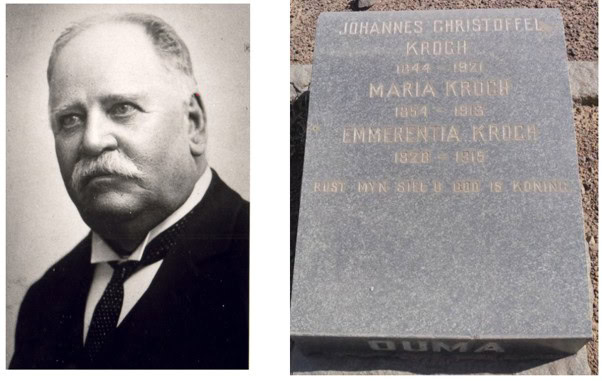
On the evening of his release, Dinuzulu and Krogh left Newcastle by train, travelling through Pretoria to Krogh’s farm in the Waterberg district of the Transvaal. Dinuzulu stayed there temporarily while the Union government arranged a permanent residence.
King establishes residence at kwaThengisangaye
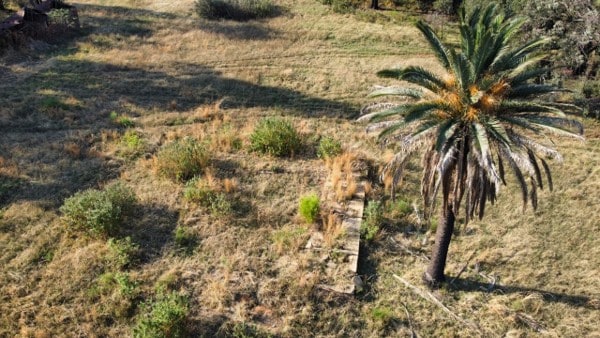
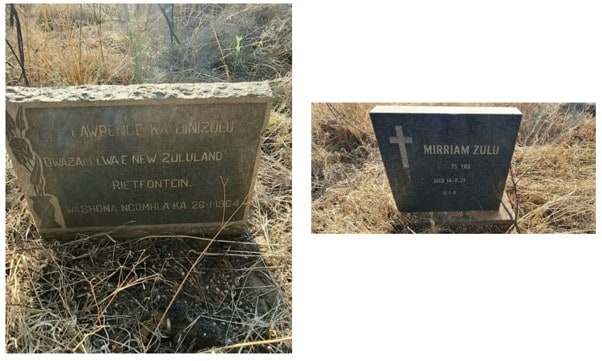
After months of administrative and political debate, the government settled Dinuzulu on the farm Rietfontein (also associated with the name Uitkyk), near Middelburg in the Transvaal. Dinuzulu called his residence kwaThengisangaye – often interpreted as ‘barter with him’ – expressing the feeling that his people had bartered him away to foreigners. Surviving correspondence also used the heading ‘New Zululand’.
The farm became the centre of the final three years of his life. Although no longer in prison, he remained separated from his kingdom, forbidden to return to Natal or Zululand, and subject to official supervision.
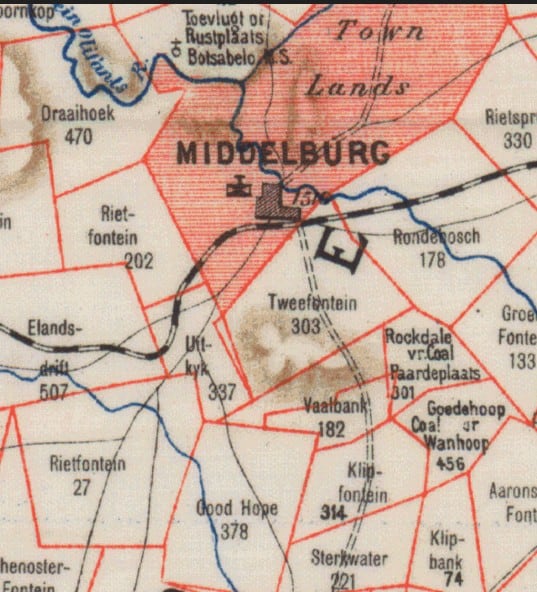
At first his circumstances were austere: accounts describe Mankulumana as his companion and list 16 oxen, three milch cows, a cart and a plough. Government records document expenditure on furniture, cattle, seed and equipment, much of which Dinuzulu had to pay for out of his annual allowance of £500.

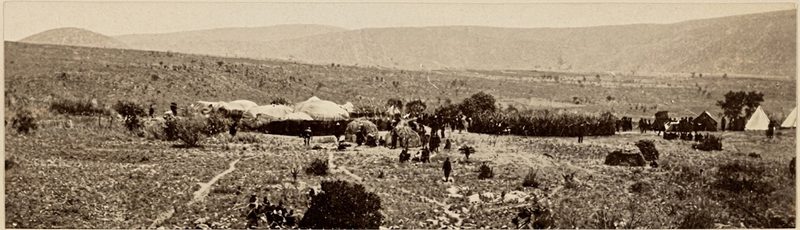
Life at kwaThengisangaye was not wholly isolated. The Union government allowed members of Dinuzulu’s household, including senior wives, to join him. His Great Wife was uNdlunkulu okaKhumalo of eNsindeni, while okaNjwapu of the Buthelezi clan was another prominent member of the royal household.
Visitors included Harriette Colenso, Mahatma Gandhi, Pixley kaSeme, journalists, and other public figures all travelling through Middelburg. Dinuzulu also visited Zulu mineworkers on the Witwatersrand, where he received an enthusiastic welcome that alarmed officials. The Middelburg magistrate, apparently Harold Napier Devitt, acted as the government’s principal liaison with the king and was instructed to restrict similar journeys. By then, JC Krogh was serving as a senator and was no longer residing in Middelburg.
Dinuzulu nevertheless remained politically visible. In September 1910, during the first Union election campaign, he travelled to Pretoria in support of Louis Botha and led a cavalcade around Church Square. The episode demonstrated that exile had not extinguished his public standing. Yet the material security provided by the farm and stipend could not alter the fundamental reality of his position: his movements were monitored, he lived from his people, and he could neither exercise full royal authority nor return home.
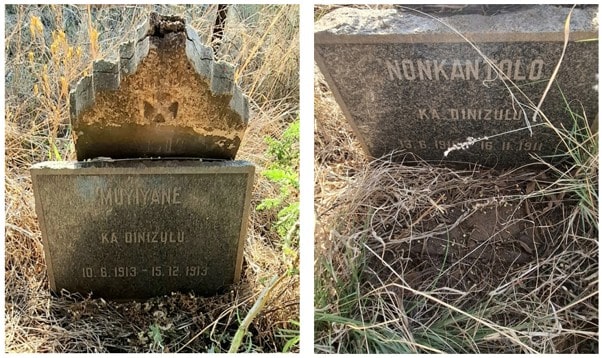
Dinuzulu’s health deteriorated seriously during his enforced residence. He was treated locally and later in Johannesburg, where one of his medical practitioners was Dr Godfrey, an associate of Mahatma Gandhi. Dr Godfrey reportedly recognised the gravity of his condition and recommended that he travel to Germany for treatment (described at the time as ‘taking the waters’).
Harriette Colenso and other supporters wrote to the prime minister expressing concern and urging the government to permit the journey, but the government failed to reach a decision in time.
Still barred from returning to Zululand, Dinuzulu died at kwaThengisangaye near Middelburg on October 18, 1913, aged about 44 or 45. His death turned the Middelburg farm from a place of political exile into the final site of a kingship constrained by colonial power.
After his death, Prime Minister Louis Botha ordered that Dinuzulu’s body be returned to Zululand for burial among his ancestors in the eMakhosini Valley, overruling objections from Natal provincial officials.
Casket journeys home to eMakhosini Valley
The transportation process followed these key stages:• By train: The body was placed on a train and railed from Middelburg to Vryheid in northern KwaZulu-Natal. The casket was most likely loaded at the Uitkyk railway station near the farm or at Middelburg Station.
- By ox-wagon: At Vryheid railway station, the casket was transferred onto a traditional ox-wagon and transported down into the ancestral heartland of the Zulu nation.
- Final resting place: The journey concluded at the royal house of kwaNobamba in the eMakhosini Valley (the Valley of the Kings).
- After lying in state for two days while the royal family settled a succession debate, he was buried along the Mpembeni River alongside his royal ancestors, fulfilling his final deathbed request.
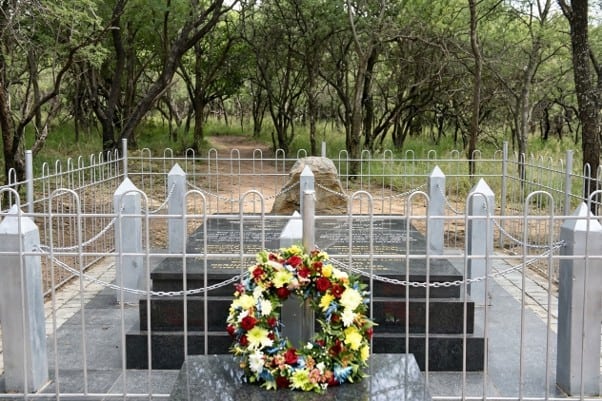
The journey carried profound symbolic meaning: only in death was the king permitted to return to the land from which he had been excluded.
The funeral itself involved a two-day delay while family members and senior leaders debated the succession between two principal contenders: the elder David Nyawana kaDinuzulu and Solomon Nkayishana kaDinuzulu. Mankulumana, Dinuzulu’s induna, initially consulted a group of appointed Zulu leaders who selected Prince David as heir. The decision was contested by figures including Prince Mnyaiza kaNdabuko and Prince Mkebeni kaDabulamanzi, who objected that the wider body of Zulu leaders had not been consulted.
According to the same accounts, as the delay continued in the summer heat, Harriette Colenso informed Mankulumana that she had received a letter from Prince Solomon indicating that Dinuzulu had designated him as heir. This evidence settled the dispute, and Solomon was recognised as Dinuzulu’s successor. Following the state funeral, Dinuzulu was buried at Nobamba in the Khosini Valley, in the upper White Umfolozi drainage region. Solomon, also known as Maphumzana, was later accorded the courtesy title of paramount chief of the Zulus.
Zulu kingship retains enduring symbolic power
Dinuzulu ruled during one of the most turbulent periods in Zulu history. From adolescence, he confronted military defeat, political partition, rival chiefly authority, land dispossession, and erratic colonial policy. His alliance with the Boers enabled him to defeat Zibhebhu but cost him substantial territory; his efforts to exercise royal authority repeatedly brought him into conflict with governments determined to dismantle Zulu political institutions.
His enduring significance lies in the symbolic power of the Zulu kingship. Although colonial administrations reduced his official rank, Dinuzulu remained a unifying focus of loyalty and a reminder of an independent political order. In 1912, the South African Native National Congress, later renamed the African National Congress, elected him its first honorary president, linking his royal prestige to the emerging national movement against racial domination.
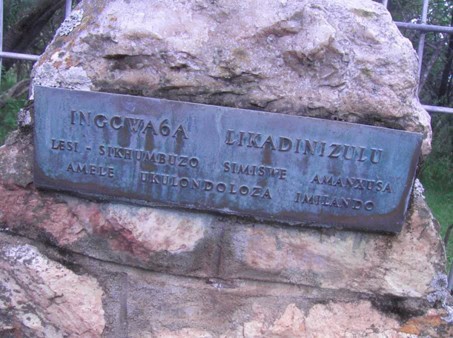
Public memorials continue to preserve Dinuzulu’s name. In King Dinuzulu Park in Durban (at the corner of King Dinuzulu Road and Julius Nyerere Street), his bronze statue faces a 5m statue of Louis Botha by Anton van Wouw, unveiled in 1923. Dinuzulu’s monument was unveiled in 2008 by King Goodwill Zwelithini. Their placement opposite one another evokes a complex relationship that began on the 19th-century frontier, re-emerged in Botha’s decision to release the king, and remains part of the shared history of Zulu and Afrikaner political communities. Other commemorations include the King Dinuzulu Hospital Complex in Durban and places bearing his name in KwaZulu-Natal.
Despite this national legacy, Middelburg has no known public memorial or commemorative plaque dedicated to King Dinuzulu, and the ruins of his residence remain little known.
Middelburg preserves vital chapter of royal history
King Dinuzulu kaCetshwayo’s career cannot be reduced to simple terms of resistance or collaboration. He used the limited options available to defend dynastic authority, recover territory, and preserve political influence, yet each accommodation carried serious costs.
His two treason trials, exile to Saint Helena, imprisonment after the Bambatha Rebellion, and enforced residence near Middelburg reveal the sustained colonial effort to contain Zulu sovereignty. Middelburg occupies a pivotal place in this closing chapter. Here, Dinuzulu lived as a king without a kingdom – surrounded by family and visitors, watched by officials, supported by a state stipend, yet denied the freedom to return home.
His death at kwaThengisangaye on October 18, 1913, and the subsequent return of his body to the eMakhosini Valley gave his final journey enduring symbolic power. His legacy among the Zulu people, his foundational link to the African National Congress, and the history of his final years near Middelburg secure his place in South African history.
A Zulu king lived – and died – at Middelburg.