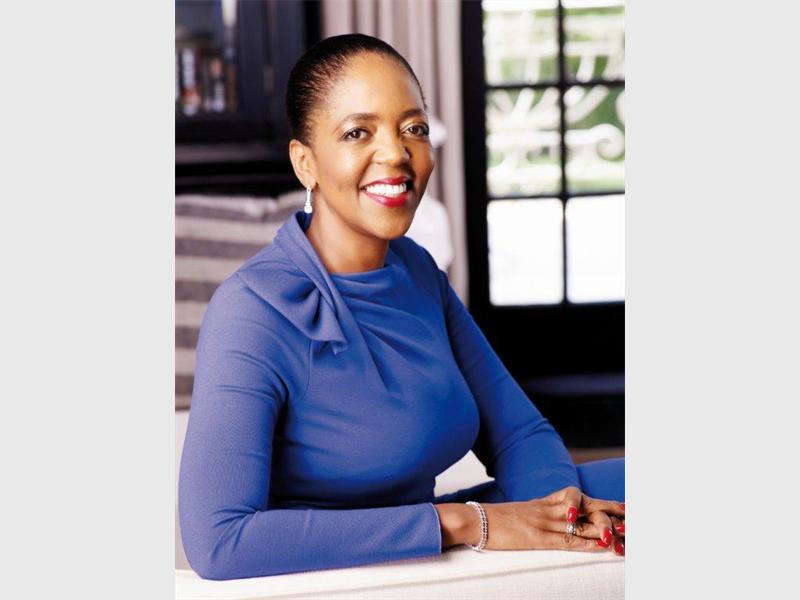
Dlamini’s findings come from a study in which she researched the perspective of women CEOs on how transformation at leadership level is beneficial to decision-makers in business and in government.
In the study were 14 participants, 13 of them were CEOs and one was a chairwoman.
According to Dlamini, talent shortages are projected to become more severe in most of the developed and developing worlds, therefore, it is imperative to increase access to female talent, as women make up more than half the world’s population.
According to Statistics South Africa, women make up 51.2 percent of the total population of South Africa and account for 45.1 percent of the working population. However, they only make up 2.4 percent of the CEOs of Johannesburg Stock Exchange-listed companies and 8.79 percent of the companies have 25 percent or more women directors.
Only 29.3 percent of executive management positions are held by women, of those, 64 percent of women in these positions are white. These statistics confirm the under representation of women in senior positions, especially black women.
Out of 142 countries, South Africa is ranked 18, having managed to close more than 70 percent of the gender gap. South Africa is one of 35 countries that have closed the gender gap in health and survival sub index. Significant progress has been made in the past 21 years, however, there is still a long way to go, especially in the private sector. Research findings confirm there is an intersection of different social identities, including, race, social class, generation and gender which influence how you perceive yourself, hence your reaction to the environment, and how you are perceived by others, and hence your response to your authority.
The findings suggest that race is still number one in discriminatory practices, closely followed by gender.
“While government has provided an enabling environment for gender empowerment, the private sector still has a long way to go,” she said. A holistic solution is needed to address the gender gap in leadership. Women need to invest in both hard and soft skills; and create and maintain networks across sectors and internationally.
“Let’s be prepared to raise our hands for leadership positions,” she said. Dlamini went on to say that progressive leaders in business have a crucial role to play in ensuring effective utilisation of all human resources across gender, social class, race and sexual orientation.
“This is a business imperative rather than a nice to have,” she said.
Discuss the role of women in business on the Midrand Reporter Facebook page