South African fuel prices to rise from July 2
Fuel prices in South Africa are set to increase from July 2, following a rise in oil prices last month. Here’s what’s driving the costs up and what it means for drivers.
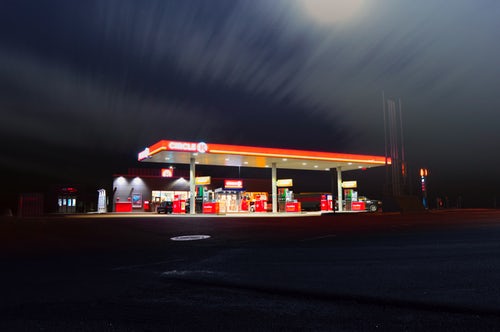
Starting from Wednesday, July 2, fuel prices across South Africa will go up after several months of declines. The Minister of Mineral and Petroleum Resources announced that petrol prices will increase by around 52 to 55 cents per litre. That means a litre of 95 unleaded petrol will now cost about R21.87 inland and R21.08 at the coast. The price of 93 unleaded petrol will be roughly R21.79. Diesel is also going up by around 82 to 84 cents, with wholesale prices for 50ppm diesel rising to R18.65 at the coast and R19.41 inland. Meanwhile, illuminating paraffin will see an increase of 67 cents per litre.
Read more: Slight increase in fuel price a possibility
The main reason for these increases is the surge in international oil prices during the past month. The price of Brent Crude oil jumped from around $64 to nearly $97 a barrel, reaching a high of about $75.40 after attacks on Iran’s nuclear facilities by Israel and the US. Although oil prices later dropped to around $66 after a ceasefire was announced, the volatility still impacted local prices. The strength of the South African rand also played a part, improving from R18.11 to R17.90 against the US dollar, which helped to cushion some of the cost increases. Without that currency strength, motorists would have faced even higher fuel prices.
However, the rising costs aren’t just down to global oil prices. Fuel taxes in South Africa also increased at the start of June, with the general fuel levy going up by 16 cents per litre for petrol and 15 cents for diesel. This means the total fuel tax now stands at R6.37 per litre, adding to the overall cost and making it more challenging for many South Africans who are already feeling the pinch. The Automobile Association has raised concerns about this reliance on fuel levies to balance the budget, especially since there’s little transparency on how those funds are spent.
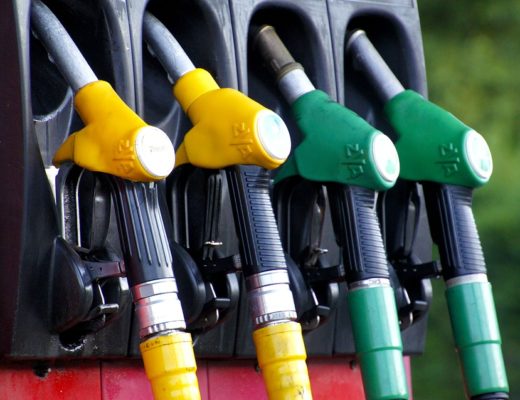
As global tensions continue to influence oil markets, it’s likely that fuel prices will remain volatile. Drivers are encouraged to keep an eye on developments and plan accordingly, knowing that the cost of fuel isn’t just about the local economy, it’s deeply connected to geopolitical events far beyond South Africa’s borders.
Follow us on our Whatsapp channel, Facebook, X, Instagram, and TikTok for the latest updates and inspiration! Have a story idea? We’d love to hear from you – join our WhatsApp group and share your thoughts!