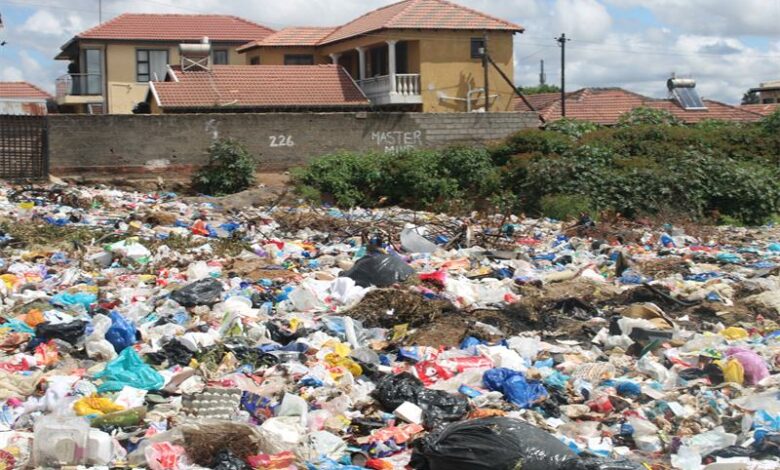
After years of living with illegal dumping and environmental neglect, Rabie Ridge residents are beginning to see change.
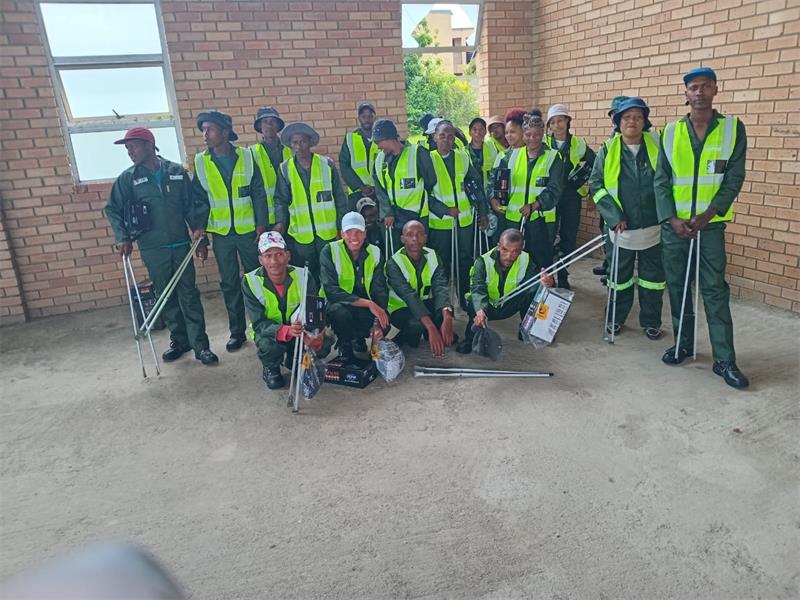
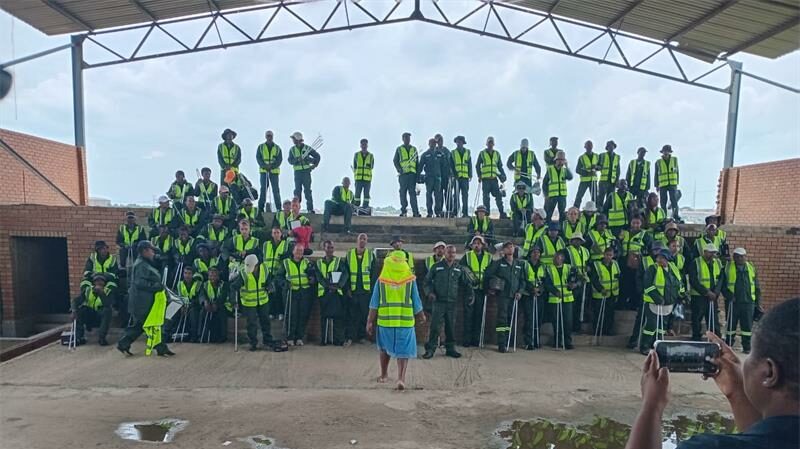
Boots are finally hitting the ground, following the commencement of the environmental waste property care (EWPC) project on January 30. This initiative is creating much-needed employment opportunities for about 100 local residents, aiming to restore degraded land, while curbing illegal dumping, and transforming neglected spaces into clean, productive environments that can support economic activity.
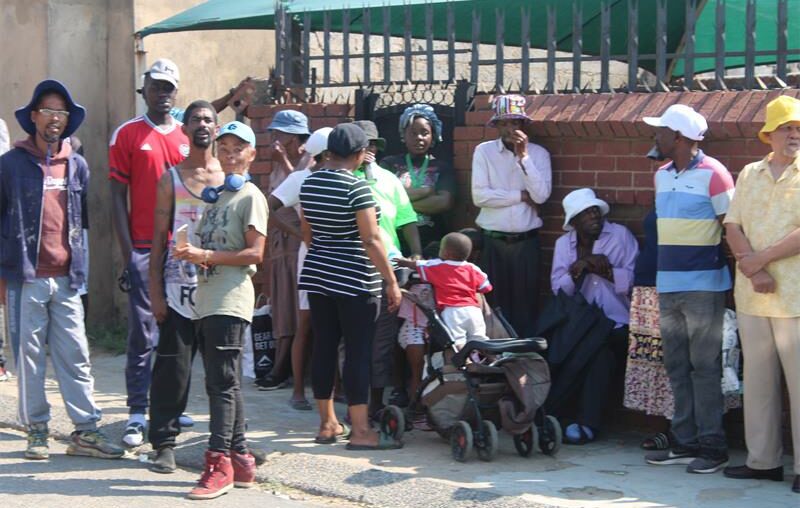
The intervention follows mounting frustration from residents over persistent dumping hotspots that pose serious health and environmental risks. Waste is reportedly piling up weekly, creating unsafe living conditions.
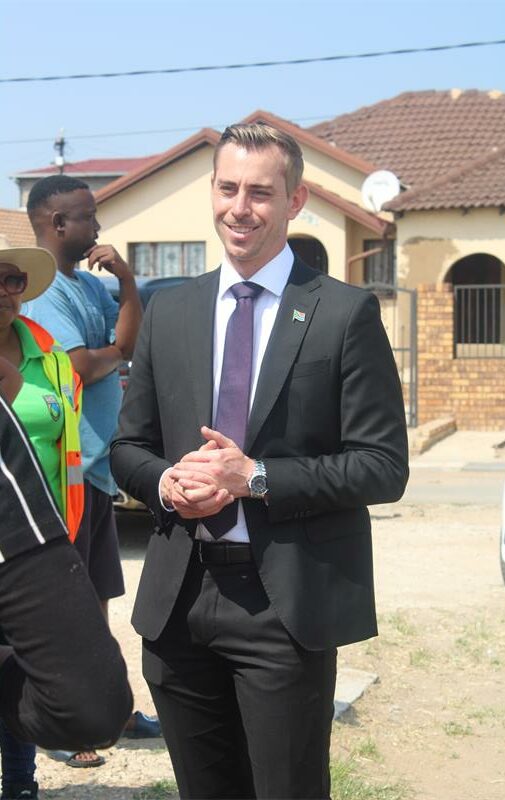
Gauteng MEC for Environment Ewan Botha initiated a series of decisive interventions across Gauteng communities affected by illegal dumping and non-compliant waste activities, with Rabie Ridge among the priority areas. Acting on a community request relayed by City of Johannesburg councillor Kabelo Pitso, Botha visited Rabie Ridge on January 13, where residents voiced their concerns directly to him. He returned to the area on January 28 to follow up on commitments made during his January 13 visit.
Read more: MEC Ewan Botha returns to Rabie Ridge with jobs plan to tackle illegal dumping
Botha pledged to work alongside the community to restore cleanliness and dignity to the area. He committed to rolling out the EWPC programme, among other promises related to cleaning the township. “There’s no government, there’s no community; we are all residents and South Africans. Government can assist, but communities must maintain what is restored,” said Botha.
Following the January 13 visit, municipal waste entity Pikitup responded swiftly, clearing identified dumping sites the very next day, a move Botha described as a positive sign of co-operation between different spheres of government.
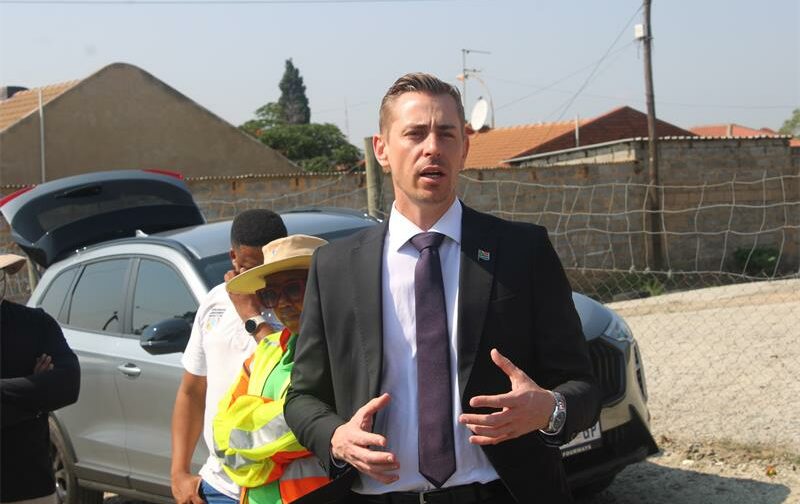
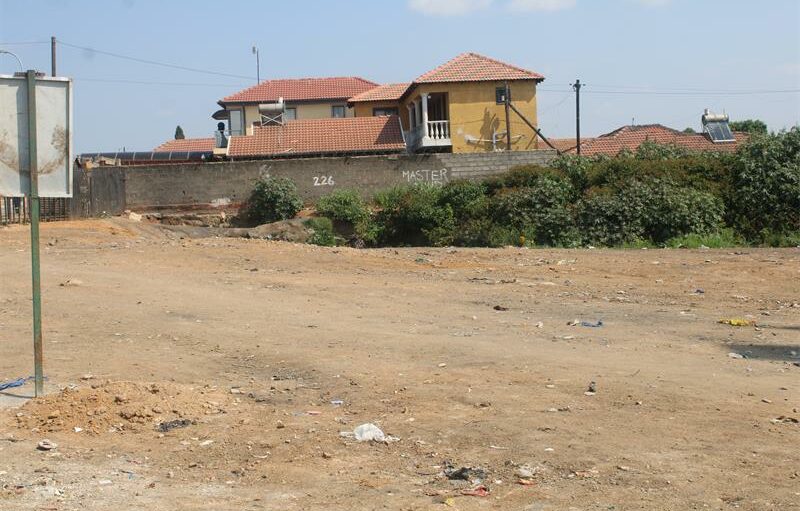
During his second visit, the MEC said the purpose of his visit was to ensure that commitments were being honoured, and that the employment process for EWPC workers was on track. “I wanted to come and check on the process of where we are in terms of employing the EWPC workers. I also believe that Pikitup has been pulled in to assist with the clean-ups. This is what we essentially want in what we’re doing here with these blitzes.”
He emphasised that sustained change would only be possible if residents took ownership of their environment, encouraging households to explore recycling initiatives as a way to prevent dumping while creating income opportunities. “We’re starting from scratch here. Go and speak to your neighbours. Say to them: ‘Separate your plastic, your paper, your cans’. Form co-operatives. If you can do that, no one will need to dump. This area can stay clean.”
Botha added that discussions were ongoing with the City of Johannesburg regarding the management of the nearby garden refuse site, to ensure it does not revert to an illegal dumping zone. “I just wanted to give a little bit of feedback and show the community that we genuinely are committed to ensuring that once we’ve cleaned up a spot, there is some sort of continuity thereafter, whether that’s from the EWPC side or whether it’s from the community side.
Also read: Mayibuye residents take a stand against illegal dumping
“The community has been keeping everything clean. Please continue with that, because this community is entirely in your hands. Your money is here, your economic opportunity is here, and with the clean-ups and the support that you’ve got now, it’s a clean slate, so let’s make sure that we take this thing from a dirty environment to an economic opportunity, and we ensure that we make the environment everyone’s business.”
Community members have already begun taking responsibility. Resident Isaac Dithane, and some community members, has already voluntarily guarded the cleaned area since Pikitup’s intervention. “We, and other young comrades, look after this place every day. Every day we keep on cleaning it and stopping people who want to dump here, but the community still asks us where they should dump.”
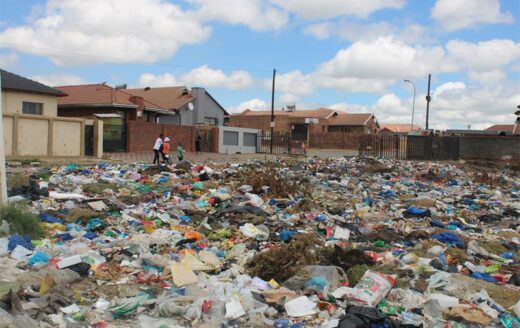
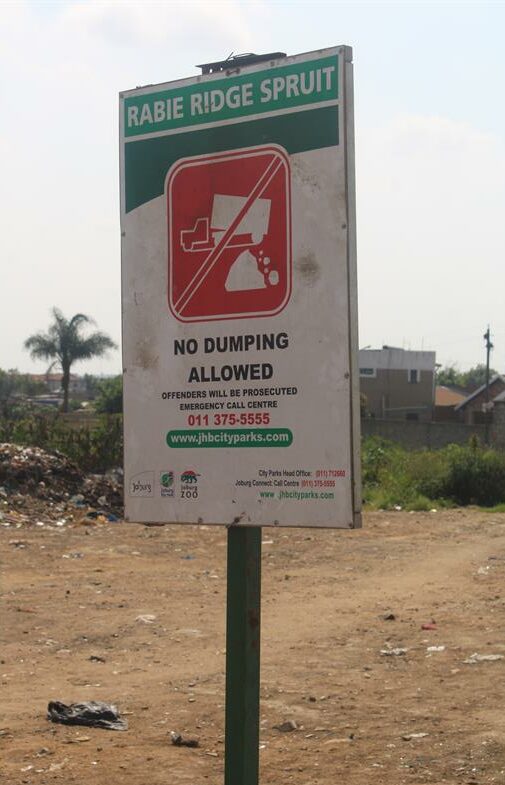
Despite clear signage prohibiting dumping, Dithane said education and structured programmes were still needed to change behaviour. “How about getting a programme where we can encourage the community of this place, because this is not a dumping space.”
Lead 2 headline: ‘Bring your dirt, we’ll turn it into cash’
Rabie Ridge community leader George Henry says hope is finally replacing years of neglect and environmental abuse with the commencement of the EWPC project.
For years, Rabie Ridge has been plagued by illegal dumping, open burning of waste, and neglected open land, conditions that pose serious health, safety, and environmental risks to residents.
Henry, a longtime resident and leading voice in the fight against illegal dumping in Rabie Ridge, said Botha’s intervention is about far more than cleaning streets. “For too long, illegal dumping has compromised our health, safety, and environment. It’s time to stop the decay and reclaim our space.”
He revealed the shocking reality of what residents have endured, stating that illegal dump sites have become so severe that, at one point, even a newborn baby was discovered among the waste.
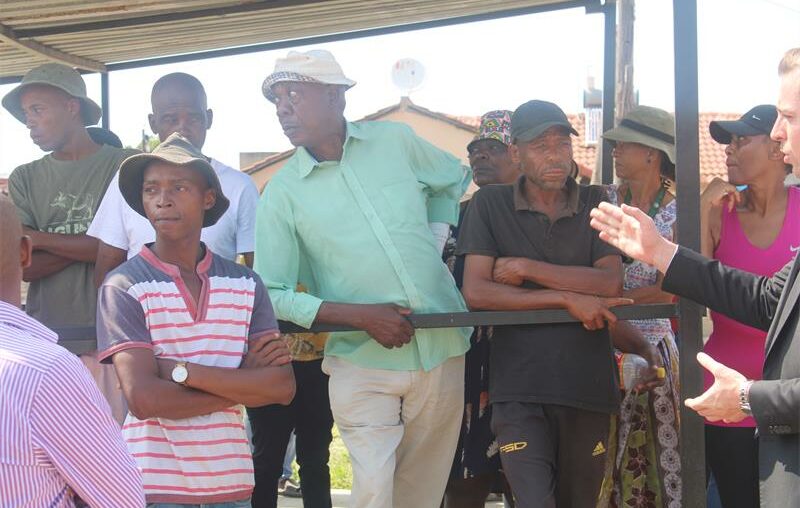
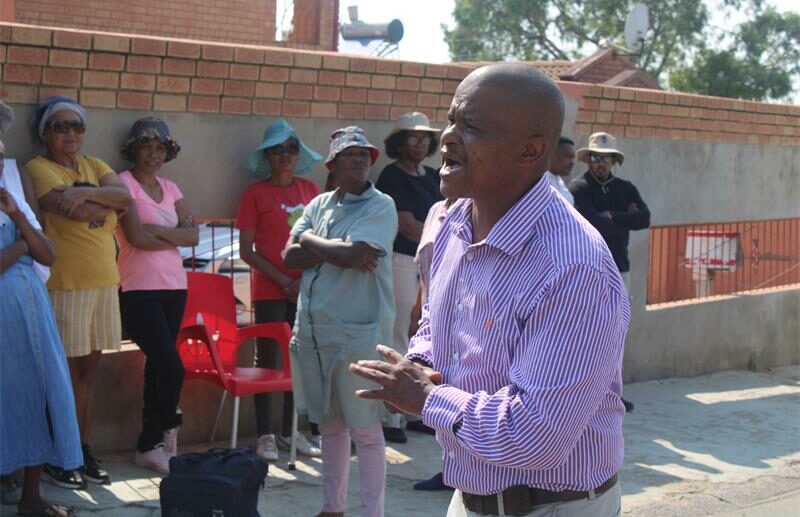
Since last year, Henry has been at the forefront of efforts to end dumping, particularly at the notorious corner of Tuinfluiter Street and Tarentaal Street. “Turning waste into wealth. A new era for our community. A massive thank you to Botha for providing us with this life-changing opportunity to grow. This initiative is about more than just cleaning up; it’s about bringing power back into the hands of the community.”
Henry said the MEC’s vision for community-owned recycling hubs has inspired residents to rethink waste as an economic opportunity. He added that Botha encouraged residents to register with recycling hubs and buy-back centres, explaining that waste management can generate income while keeping the environment clean.
Also read: UPDATE: Water supply improves across Midrand, Grand Central still affected
“We are ready to take charge and change our mindset. It’s time to see dirt as money. Our slogan is: ‘Bring your dirt, and I will transform it into cash’. This project allows us to form powerful partnerships to protect our environment while building a sustainable future for ourselves.
“After the last visit to [Jay Crescent], it was dirty, but almost instantly, Pikitup came and cleaned it. Now, the challenge is sustaining that cleanliness.”
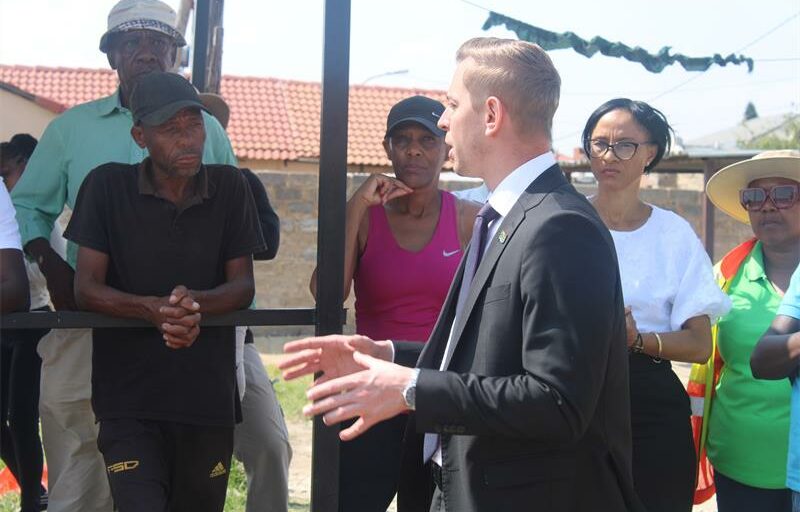
Henry believes the future of the area lies in transforming neglected spaces into productive community assets. He said the dumping hotspot at the corner of Tuinfluiter and Tarentaal streets could be reimagined as a mini-market for local entrepreneurs.
“Where some see trash, we see potential. Imagine a vibrant community market where small businesses can grow, replacing a no-man’s land with a managed, beautiful community hub.”
According to Henry, families living between Tarentaal and Tuinfluiter streets have endured a nightmare since 2019.
“For over four years, this community has been forced to breathe in the stench of rotting waste. A child born here in 2019 has spent their entire life seeing a dump as their playground. Elderly residents have kept windows shut just to escape the flies and the smell.”
He said residents repeatedly pleaded for help while watching other parts of Midrand progress. “For years, we have pleaded. For years, we have suffered. While the rest of Midrand moved forward, this corner of Rabie Ridge was left to rot. This wasn’t just trash; it was a daily attack on our dignity.
“We are tired of being the forgotten streets. We are tired of our health being secondary to illegal dumpers’ convenience. The clean-up we see today is long overdue, but the scars of those four years remain. We cannot, and will not, let history repeat itself.”
Henry concluded that while government intervention has finally arrived, sustained change will depend on community ownership.
Follow us on our WhatsApp channel, Facebook, X, Instagram and TikTok for the latest updates and inspiration!