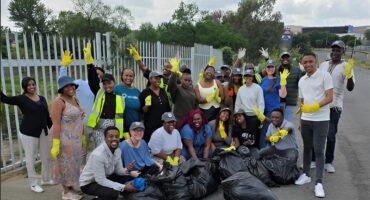
Conference accentuates EPR’s role in sustainable transformation
Industry leaders, policymakers, and innovators gathered for Circular Energy’s Third Annual Conference, a pivotal event aimed at shaping the country’s waste and resource management landscape.

South Africa and Kenya are the only two African countries with formal, mandatory Extended Producer Responsibility (EPR) schemes for packaging and other waste streams.
South Africa implemented its EPR regulations in 2021, while Kenya is in the process of developing specific EPR regulations and already has industry-driven Producer Responsibility Organisations for plastic waste.
EPR is an environmental policy approach that holds producers accountable for the entire lifecycle of their products, including the post-consumer stage. This means producers are responsible for managing and financing the collection, recycling, and disposal of their products after consumers are finished using them.
Also read: Conference accentuates EPR’s role in sustainable transformation
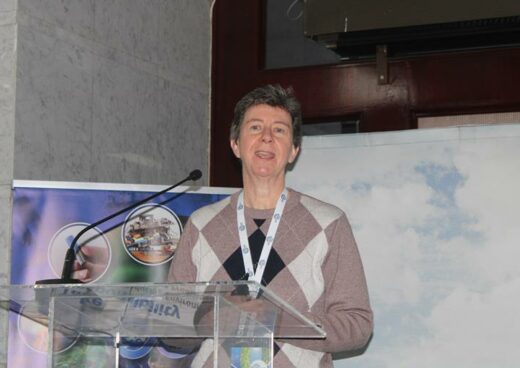
As South Africa strides toward a greener, more sustainable future, key industry leaders, policymakers, and innovators gathered at the Gallagher Convention Centre on July 9 for Circular Energy’s third annual conference. Circular Energy is a Producer Responsibility Organisation (PRO) focusing on waste management from electrical and electronic equipment and lighting.
Held in collaboration with IFAT Africa 2025 – Africa’s premier environmental technologies and circular economy event – this conference served as a crucial platform to propel the country’s waste and resource management initiatives into a new era.
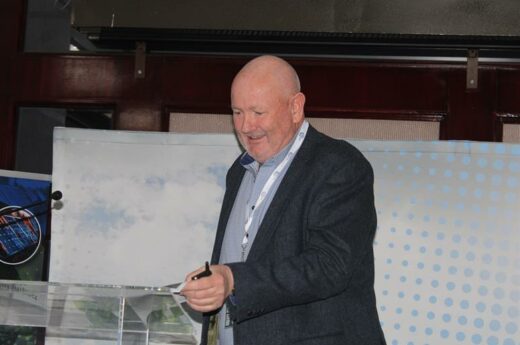
Under the theme, Shaping Tomorrow: EPR as a Catalyst for Change, it emphasised the vital role of EPR in driving sustainable transformation throughout South Africa. The event featured Nomalanga Sitole as the MC. Derrick Mulligan, board member of Circular Energy, set the tone for the discussions that followed.
Also read: Authorities remain mum while city land is invaded in Austin View
“EPR’s origin goes back to 1990 when it was introduced in Sweden, followed by other Canadian and European countries,” said Mulligan. “And South Africa is the only country in Africa that has formal EPR in place. Most EPR initiatives are further advanced in various European countries, and they have certainly had a positive impact on reducing waste, recycling, reuse, and proper disposal methods, which in turn benefits the environment.”
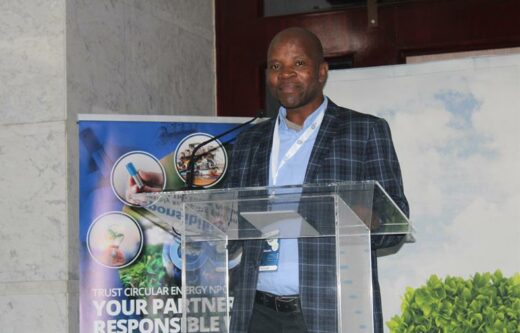
Jeremia Lameck Sibande from the Department of Forestry, Fisheries and the Environment delivered a significant session titled Policy Alignment and Enforcement: South Africa’s Evolving EPR Regulations. This session examined how policies were being aligned, implemented, and enforced to enhance sustainable waste management, particularly in the energy and e-mobility sectors.
Also read: Where to dump your garden refuse and general waste in Johannesburg?
Municipalities are at the forefront of waste management. Balanganani Nengovhela, a specialist in solid waste management from the South African Local Government Association, discussed the integration of EPR into municipal waste management.
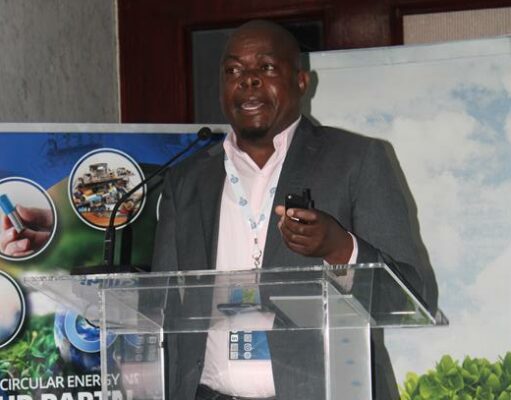
“As local government, where do we draw our mandate about the provisional waste management services? That comes from the Constitution, and that automatically indicates that as a municipality, we have the executive authority over this function. They [municipalities] have to develop policies, they have to develop plans, set tariffs, and also determine how the service is going to be provided. So when we bring in the EPR, those are some of the fundamentals that we have to then juggle around with in terms of how the service is being provided in municipalities,” said Nengovhela.
Other speakers included Professor Linda Godfrey, a principal scientist at CSIR; Yolanda de Lange, executive director of the Institute of Energy Growth Professionals Africa; Jan Clyncke, managing director of PV Cycle Belgium; Patricia Schroder, CEO of Circular Energy; and Londy Ngcobo, CEO and founder of Unlocking Ocean Economy, among others.
Follow us on our Whatsapp channel, Facebook, X, Instagram, and TikTok for the latest updates and inspiration!