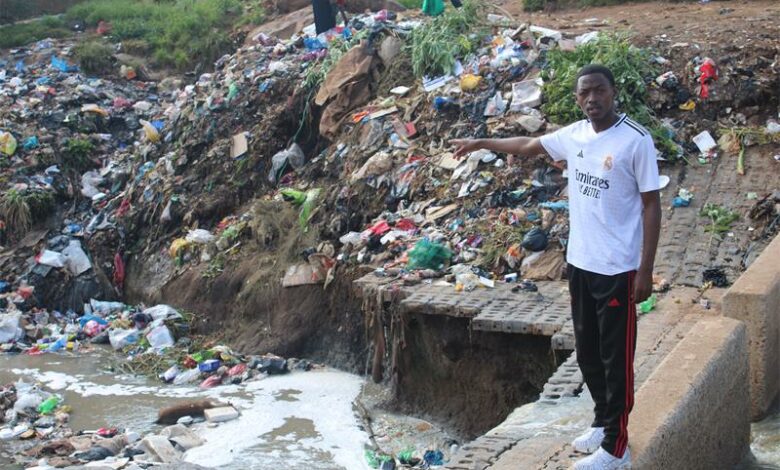
Raw sewage floods Pholane Park as health fears rise
Growing frustration in Ivory Park as repeated sewer blockages leave communities exposed to unsafe and unsanitary conditions.
Johannesburg Water’s target is to respond to and resolve 95% of sewage spill reports within the prescribed timeframe.
According to the entity, the region is currently achieving an average performance level of approximately 85%.
Although this remains below the desired target, it represents measurable improvement and indicates that the region is moving in the right direction according to the entity.
The gap between the current 85% performance and the 95% target is mainly attributable to the high volumes of recurring complaints in hotspot areas, limited operational resources relative to demand, delays caused by repeated blockages in the same locations, and access constraints where sewer lines are blocked by structures or illegal encroachment.
This persistent sewage crisis in Ivory Park continues to place residents of Pholane Park at risk.
Read more: Resident pleads for help as sewage floods home
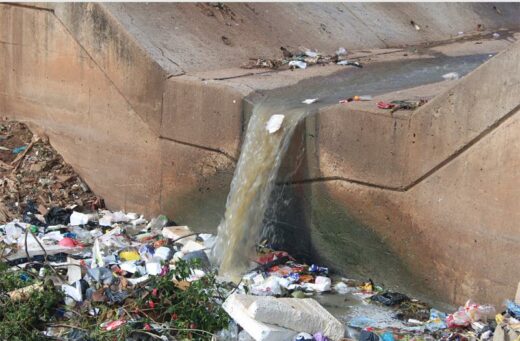
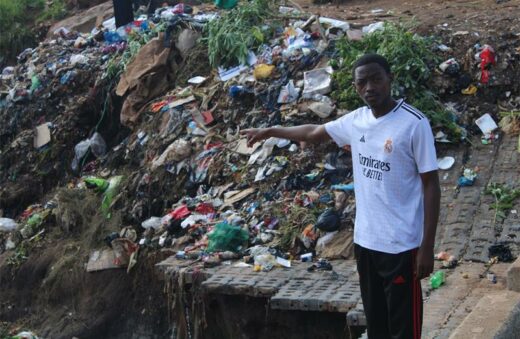
Democratic Alliance (DA) youth representative in the Midrand constituency Eddie Kgeletsane has raised urgent concerns over a worsening sewage crisis affecting local communities. Eddie described the situation as hazardous and deeply concerning, stating that raw sewage is flowing through residential areas, including Pholane Park, and into nearby rivers.
This poses a serious health risk to residents and reflects ongoing environmental neglect.”
He further highlighted that the affected river has increasingly become an informal dumping site, with reports of dead animals found in the water, compounding the public health threat.
Eddie criticised Johannesburg Water for failing to adequately address persistent sewer blockages, adding that the crisis is worsened by inadequate sanitation infrastructure in parts of the township.
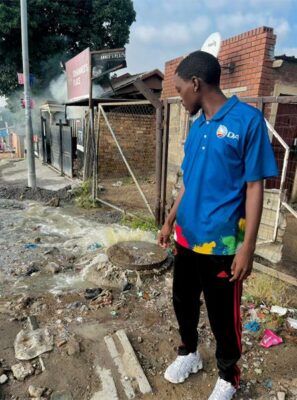
“Some residents are forced to resort to unsafe alternatives due to a lack of proper sanitation facilities.”
In response, Eddie has launched a sewer campaign calling for urgent intervention and sustainable solutions, working alongside key stakeholders including Otto Kgeletsane and Ward 132 councillor Annette Deppe.
“Dignity is not negotiable. No family should have to live with the daily reality of sewage, unsafe conditions, and failing basic services. This is about protecting public health, restoring safety, and ensuring that all residents can live with dignity.”
Deppe said implementations of strict turnaround times for sewer repairs, with performance tracking and accountability for Johannesburg Water officials, were essential.
Sewer misuse, population growth behind Ivory Park overflows
Johannesburg Water has attributed ongoing sewage blockages in Ivory Park’s Ward 77 to a combination of infrastructure strain, population growth, and misuse of the sewer system, as residents continue to raise concerns over persistent overflows in areas such as Pholane Park.
Responding to queries, Johannesburg Water spokesperson Nombuso Shabalala said maintenance of sewer infrastructure is funded through the entity’s operational expenditure (Opex), which covers day-to-day operations across the network rather than a single dedicated budget line for specific wards.
Also read: Illegal dumping as problem worsens in President Park and Austin View
“The Opex budget is used for the ongoing maintenance and operation of the sewer network,” said Shabalala. “Because these costs are spread across various operational components, there isn’t a stand-alone allocation specifically for sewer maintenance and upgrades in Ward 77.”
She explained that large-scale infrastructure upgrades, including the replacement of ageing sewer lines or expansion of capacity, are funded separately through capital expenditure (Capex) programmes, which are typically reserved for major projects in high-demand or growth areas.
Addressing the root causes of recurring blockages, Shabalala said the majority of incidents are linked to foreign objects being introduced into the sewer system.
“These include sand, stones, paper, rags, fats and oils, as well as building rubble such as bricks,” she said. “In many instances, sewer lines are also affected by illegal encroachment onto servitudes or construction taking place over existing infrastructure, which limits access and can damage the system.”
Johannesburg Water confirmed that, according to its operational records, a significant number of sewer-related complaints in the greater Midrand area originate from Ivory Park, with the causes largely aligned to misuse of the sewer network and related damage.
While ageing infrastructure is often cited as a factor in service delivery challenges, Shabalala noted that it is not the primary driver of the current crisis in Ivory Park. Instead, rapid population growth, the expansion of backroom dwellings, and increasing informal settlements have placed sustained pressure on infrastructure originally designed for far fewer households.
“Ivory Park has experienced rapid population growth over a number of years, which has placed severe strain on infrastructure that was not designed to accommodate current demand,” she said.
“These factors result in repeated spillages and overflows, particularly in high-density areas where the system is under constant pressure.”
Also read: Young Midrand leader speaks out on Ivory Park’s sewage crisis
In response to the ongoing challenges, Johannesburg Water has introduced additional operational measures aimed at improving response times and reducing repeat incidents.
Shabalala said the utility has strengthened its capacity by deploying two additional jetting trucks, bringing the total number of operational teams to ten. These resources are being directed to known hotspots, particularly in Ivory Park, where sewer blockages are most frequent.
“The additional jetting trucks are being used to clear blocked sewer lines more efficiently, conduct preventative maintenance in high-risk areas, and reduce the number of repeat spillages,” she said.
The intervention also aims to improve turnaround times for reported overflows and to stabilise service delivery in areas experiencing persistent sewer failures.
“Particular attention is being given to high-risk areas in and around Ivory Park…The goal is not only to respond to current overflows but also to reduce the likelihood of future incidents.”
In the broader Midrand and Ivory Park areas, recurring blockages are often caused by:
- Disposal of household waste into toilets and drains
- Fat and grease being poured into sinks
- Sand and rubble entering the system during construction activities
- Illegal connections and encroachment onto sewer lines
- Bricks and other debris entering manholes during building work
Additional strain is created by:
- Unauthorised connections to the sewer network
- Increased wastewater volumes from overcrowded properties
- The disposal of inappropriate materials into the system
- Informal development over existing sewer infrastructure
Follow us on our Whatsapp channel, Facebook, X, Instagram and TikTok for the latest updates and inspiration!