Top five concerns revealed as Ivory Park residents prepare for elections
Joburg Crisis Alliance voter education session revealed growing dissatisfaction with municipal services and a desire among Ivory Park residents to become more active in shaping local governance.
Potholes, inadequate street lighting, deteriorating roads, poor sanitation and environmental cleanliness, and concerns over water quality have emerged as the five biggest challenges facing Ivory Park residents.
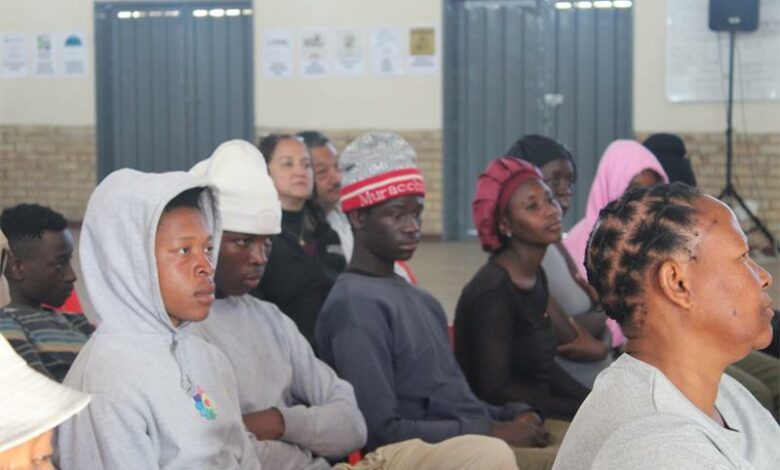
These concerns were highlighted during a community engagement hosted by the Joburg Crisis Alliance (JCA) at Penelope Secondary School on June 13, where residents gathered to discuss service delivery issues and their role in shaping local governance ahead of the 2026 local government elections.
Read more: Mayibuye Youth ‘Activism’ Movement enters political arena ahead of 2026 elections
The non-partisan meeting attracted about 39 residents, with young people making up a significant portion of those in attendance. The session focused on voter education, civic participation, and empowering communities to hold elected representatives accountable.
JCA findings from its local service delivery assessment painted a concerning picture of residents’ satisfaction with municipal services.
According to the alliance, overall satisfaction levels ranged from moderate to poor, with most services receiving ratings between two (poor) and three (average) on the assessment scale.
While the gathering was held in the lead-up to the 2026 elections, organisers stressed that its purpose was not to influence voting choices but to equip residents with the knowledge needed to make informed decisions and actively participate in local democracy.
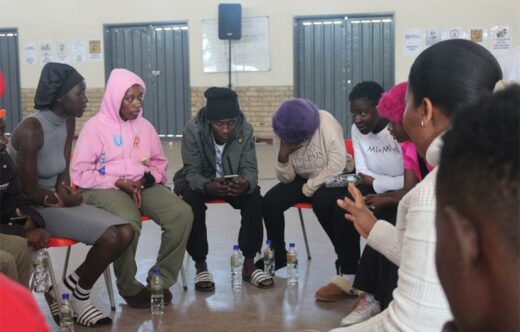
Residents were guided through the roles and responsibilities of ward councillors, proportional representation (PR) councillors, and members of mayoral committees. Discussions centred on how communities can engage effectively with elected officials and what qualities residents would like to see in future leaders.
In addition to poor road conditions, residents raised concerns about frequent power outages and the absence of public libraries and other community facilities.
Also read: Midrand SPCA wary of by-law infringement after a cow died from electrocution in Glen Austin
Several residents expressed frustration with the electoral process, stating that they had lost confidence in voting because many elected representatives become inaccessible after elections and fail to address community concerns.
JCA project manager, Noluthando Sithole, said one of the biggest barriers to accountability is the lack of understanding among residents about how local government structures operate.
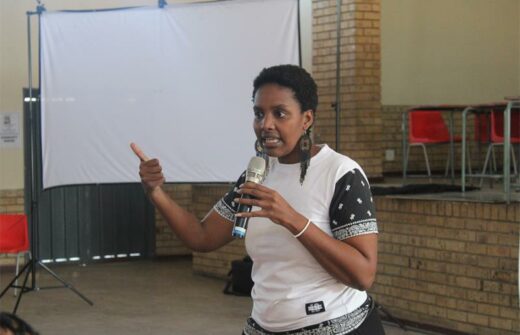
“Most residents don’t know the difference between a ward councillor and a PR councillor, let alone how the mayoral committee works. Without that knowledge, communities can’t hold the right people accountable for the right things. The gathering directly addresses this gap,” said Sithole.
“The objective of residents recognising their own power is significant. Civic disengagement in South Africa isn’t mostly apathy; it’s often rooted in people not knowing they have a legitimate standing to demand, question and challenge. These gatherings name that power explicitly.”
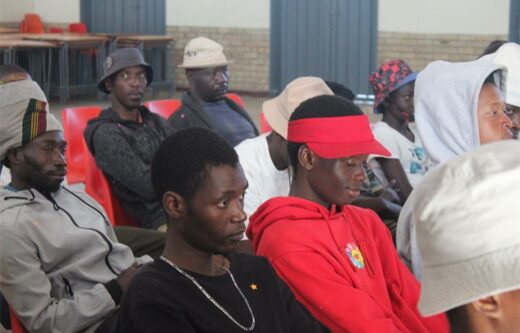
According to Sithole, the sessions are designed to move community participation beyond awareness and into meaningful action. She said community conversations ahead of elections also play an important role in defining the standards by which future leaders should be judged.
“They shape the demand side of democracy. The objective of discussing what kind of leaders people want is essentially community-led accountability standard-setting. That’s powerful, especially ahead of an election cycle.”
Follow us on our Whatsapp channel, Facebook, X, Instagram and TikTok for the latest updates and inspiration!