
Mpumalanga commemorates World TB Day
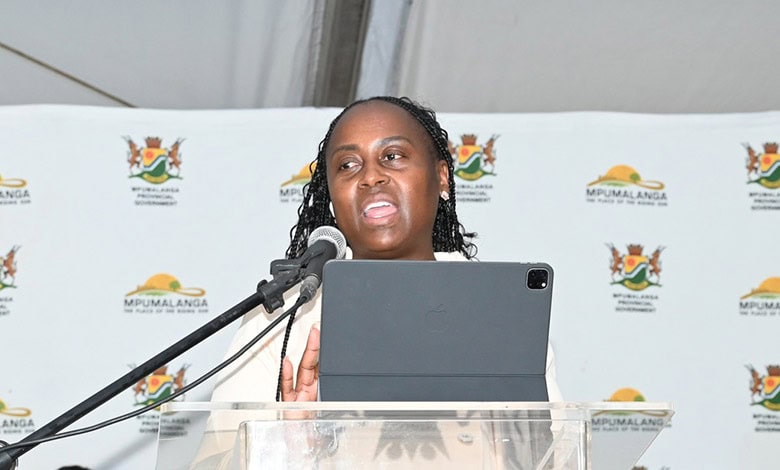
The MEC for health, Sasekani Manzini, educated the masses gathered at the Mandla Magudulela Stadium in eMkhondo about tuberculosis.
TB is one of the leading causes of death in South Africa, claiming more than 56 000 lives a year. 54% of those who die are also HIV positive.
The MEC for health, Sasekani Manzini, revealed this at the provincial commemoration TB Day on March 28 at the Mandla Magudulela Stadium in eMkhondo. The event was in line with World TB Day, which is honoured annually on March 24.
Manzini said the day highlights the devastating health, social and economic impact of TB. “The event served to build public awareness about the global pandemic of tuberculosis and profile efforts to eliminate the disease,” Manzini said.
ALSO READ: The second Dr Enos Mabuza Lecture gave clarity to how he understood education as the key to success.
This year’s commemoration will be marked by the launch of the National End TB Campaign that will be implemented in phases. It is designed to substantially reduce TB incidences and mortalities in the country by 2035.
The first phase will focus on identifying individuals with the condition and linking them to healthcare in the 2025/26 financial year. “The second phase will be to implement the campaign by introducing accelerated targeted universal TB door-to-door testing, to reach people living with HIV. All hospitals in the province will mobilise multidrug-resistant TB (MDR-TB) management,” she said.
On March 27, a day before the main event, the Mpumalanga Provincial Aids Council (MPAC) held a sitting in Ermelo in the Gert Sibande District Municipality. The MPAC is a structure that allows for multisector response for HIV, TB and STIs.
The premier, Mandla Ndlovu, presided over the meeting alongside the council’s co-chairperson, Sonto Nkosi.
ALSO READ: Nkomazi author releases Swati novella ‘Umbala Welutsandvo’
During her presentation at the sitting, Manzini emphasised the importance of the ‘Close the gap’ campaign launched by the minister of health, Dr Aaron Motsoaledi, on February 25, aimed at identifying one million people living with HIV, for them to be included in the treatment programme. This includes those who were diagnosed before and unknown cases. This forms part of the plan to significantly reduce the impact of HIV/Aids by 2030.
“In Mpumalanga, 134 000 people need to be traced for HIV treatment, and 9 380 put on TB treatment,” said Manzini.