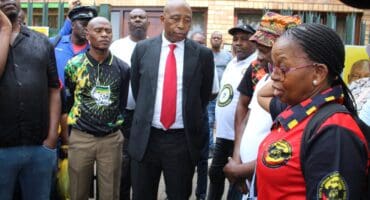
Mbombela water supply failures leave communities desperate and unsafe
The City of Mbombela promises new infrastructure upgrades and tanker schedules, but residents of Shabalala and Sand River remain without running water after years of delays.
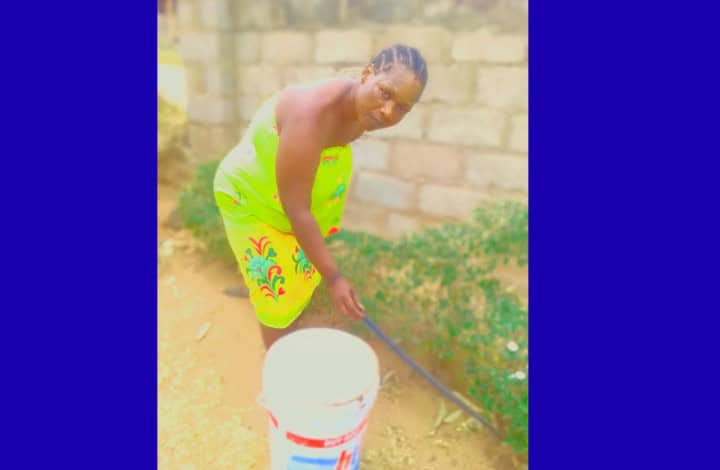
Community members in Shabalala and Sand River blame the City of Mbombela (CoM) for their ongoing water woes.
In Shabalala, despite installation of pipes and taps, there is still nó water supply and no communication from the CoM.
For the past three years, the community has survived on water brought in by tankers after their supply ran dry. Without any explanation from the local municipality, this once-weekly supply has now become a once-a-month event. Desperate for access to this most vital human right, the community is now sharing water from nearby dirty streams and rivers with animals.
Meanwhile, in Sand River, the situation is even more dire. Before the local government election eight years ago, pipes and taps were installed, but after just two months of running water it dried up.
ALSO READ: No answers from Municipality about Sand River’s water crisis
Then, between August to mid-October last year, residents experienced what is taken for granted by most, but considered a luxury by the community: water ran from the taps. Their elation was short-lived, as once again, without any notification or communication from the CoM, the supply was turned off.
Water tankers also stopped delivering water. This community, too, is forced to use water from rivers and streams which are, very often, awash with waste and health hazards.
In response to media enquiries, the CoM’s spokesperson, Joseph Ngala, said these water challenges, especially in the Sand River area, are complex. According to him, the area has a mix of formal and informal connections, while areas without reticulation pipes are relying on water tankers.
ALSO READ: Municipality silent on Sand River’s deepening water crisis
To resolve these issues, the CoM is considering the following steps:
1. Identify and address illegal connections: Conduct a thorough survey to identify unauthorised connections and disconnect them.
2. Upgrade bulk infrastructure: Reinforce bulk distribution pipelines and upgrade existing storage reservoirs to accommodate additional demands.
3. Implement water metering and monitoring: Install meters to track water usage and detect leaks or unauthorised connections.
4. Optimise water tanker scheduling: Adjust tanker schedules to prioritise areas without formal network connections.
5. Plan for future infrastructure development: Develop a long-term plan to extend reticulation pipes to areas currently without formal network connections.
6. Engage with the community: Educate residents about the importance of formal connections and the negative impact of illegal connections.
7. Commission the new Nyongane booster pump station: Once operational, this will reduce the number of under supplied areas with formal network connections.
“By addressing these challenges, we can work towards a more sustainable water supply system for the Sand River area. Communities are further encouraged to contact their councillors for updates on schedules for water tankers and other priority areas. In this particular ward (25), Cllr Makhubela is responsible,” Ngala said.
The CoM gave no explanation for the eight-year delay in addressing the situation.
In a televised address on Monday, September 15, President Cyril Ramaphosa admitted that he is ashamed to see how poorly ANC municipalities are managing their constituencies, as opposed to those areas where the DA is in charge.
With provincial elections set for 2026, some opposition parties argue that the situation will only improve if voters weigh the ANC’s record of unmet promises.
The World Health Organization recognises water as a basic human right, yet the CoM’s ongoing service delivery challenges have left many residents without reliable access.