
Hands-on planting initiative connects tourists with local traditions in Shabalala near Hazyview
Tourists get hands-on experience in sustainable farming while supporting rural families in the Hazyview area.
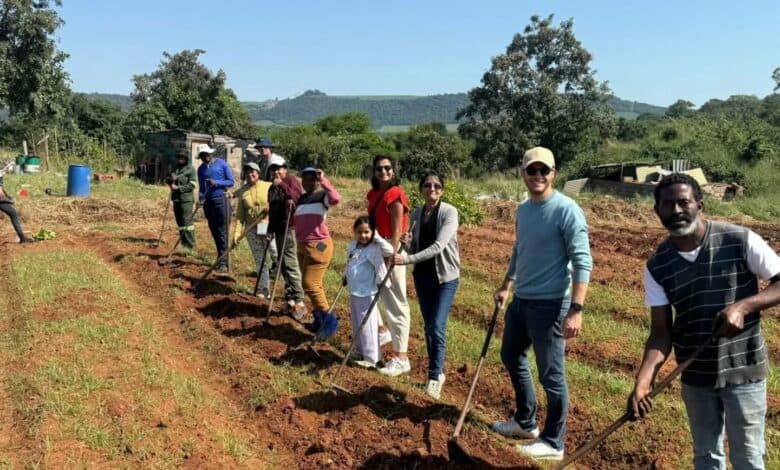
The Shabalala Interpretation of Culture Centre (SICC) has launched a unique rainy-season planting initiative that brings together locals and international tourists for a shared purpose: to promote food security.
According to SICC founder Goodman Nkosi, in traditional African culture, the wet season signifies a period of planting in home gardens, ensuring that families are sustained throughout the year and preserving the spirit of self-reliance.
“The centre invites visitors from around the world to participate in this meaningful activity during its village and township tour. Through this hands-on initiative, international tourists are given the opportunity to plant crops alongside community members, learning first hand about indigenous agricultural knowledge, sustainability practices and the cultural values that guide rural life,” he said.
Read more here: Cultural tourism fuels economy of Hazyview’s rural heart
Nkosi added that this activity not only strengthens cross-cultural understanding, but also contributes directly to community development. Although villages surrounding Hazyview face poverty, residents often have land in their yards that can be used to plant a variety of vegetables.
“This initiative allows us to support local families, as we provide them with seedlings and assist them with planting. Since we have had a shortage of water in the area, the rain has been especially timely,” he said.
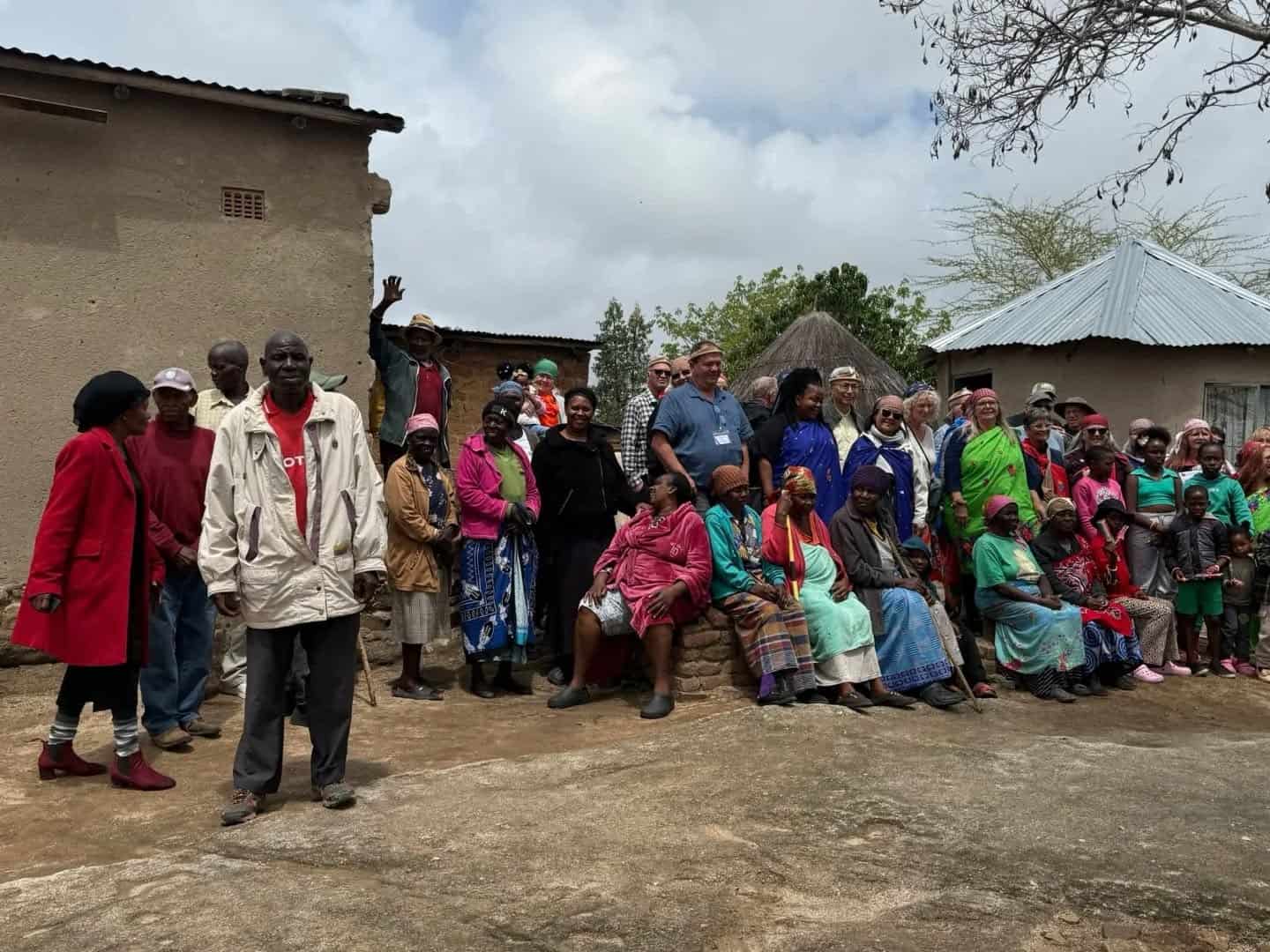
ALSO READ: Township tourism gains momentum in Hazyview
Nkosi also noted that this is a practical demonstration of direct investment and transformation through tourism.
By participating in planting activities, visitors help strengthen local food systems, support rural livelihoods, and leave a lasting positive impact long after their visit.
The centre believes this project reflects the true essence of responsible tourism, where cultural heritage, environmental sustainability and community empowerment are interwoven to build a better future.