
Roadshow draws attention to Department of Education’s language strategy
A recent roadshow is putting the spotlight on mother tongue education, empowering school leaders to rethink how language shapes learning in classrooms.
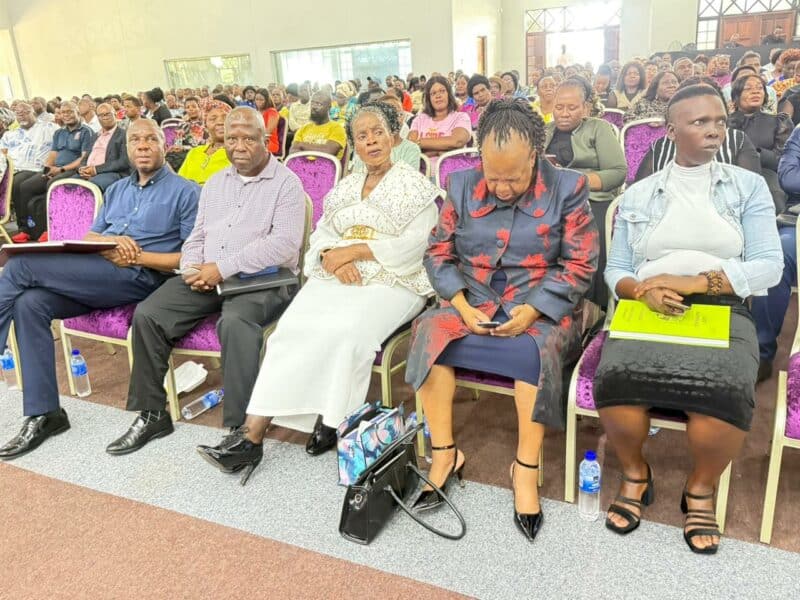
The Department of Education (DoE) hosted a Mother Tongue-based Bilingual Education (MTbBE) Roadshow at the Church on the Hill on Tuesday, March 17.
Primary school principals from the Bohlabela and Ehlanzeni districts attended the event, which aimed to empower them as instructional leaders, capable of driving the successful implementation of MTbBE in their schools.
The roadshow hopes to deepen understanding among school leaders on the transformative role of mother-tongue instruction in the Foundation Phase, while providing practical strategies and academic insights that support effective classroom implementation.
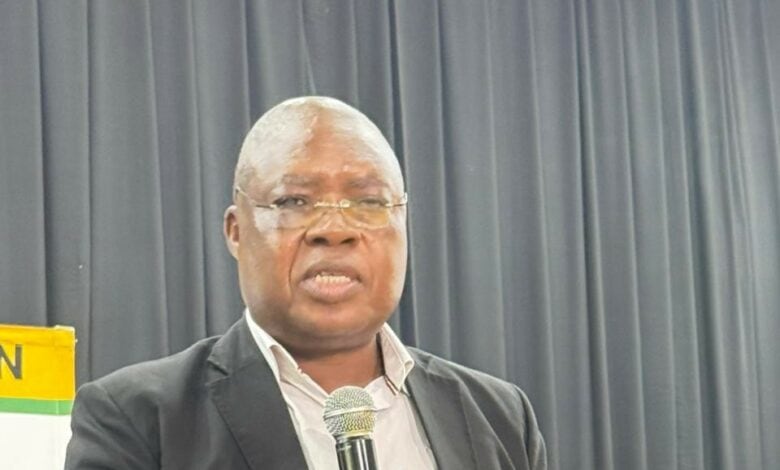
DoE deputy director-general for curriculum, Senzangakhona Mkhwanazi, said the initiative speaks to three critical principles: language inclusion, cognitive development, and educational equity.
Mkhwanazi said it draws from research, decolonial perspectives and translanguaging practices that recognise the linguistic resources children bring from their homes and communities.
ALSO READ: Mpumalanga MEC hands over 70m-worth of road maintenance fleet
“For far too long, many African-language learners have had to make an abrupt transition in Grade Four moving from learning in their home language to learning and being assessed in English. This early shift has placed millions of learners at a disadvantage. Evidence from both local and international research clearly shows that this early exit from mother tongue instruction is educationally premature.”
Mkhwanazi said learners who are taught and assessed in their home language, predominantly English and Afrikaans speakers, perform significantly better than learners who must navigate learning in a second language.
“The assessment data reveals a stark gap in achievement, with performance levels averaging around 69% for English- and Afrikaans-speaking learners, compared with approximately 32% for many African-language learners once the language of instruction changes. The result is that by the time many learners reach Grade Six, the learning gap has widened so dramatically that catching up becomes extremely difficult.”

In line with the Department of Basic Education framework, the MTbBE rollout introduces a late-exit model, which extends the use of African languages as languages of learning, teaching and assessment beyond Grade Three.
Beginning with Grade Four, the programme will be introduced incrementally, adding one grade each year throughout the primary schooling phase. The first subjects targeted for this transition are Mathematics and natural sciences and technology.
ALSO READ: Mpumalanga MEC hands over 70m-worth of road maintenance fleet
Mkhwanazi said this approach ensures that learners continue to build strong conceptual understanding in the language they know best, while simultaneously strengthening their proficiency in additional languages.